
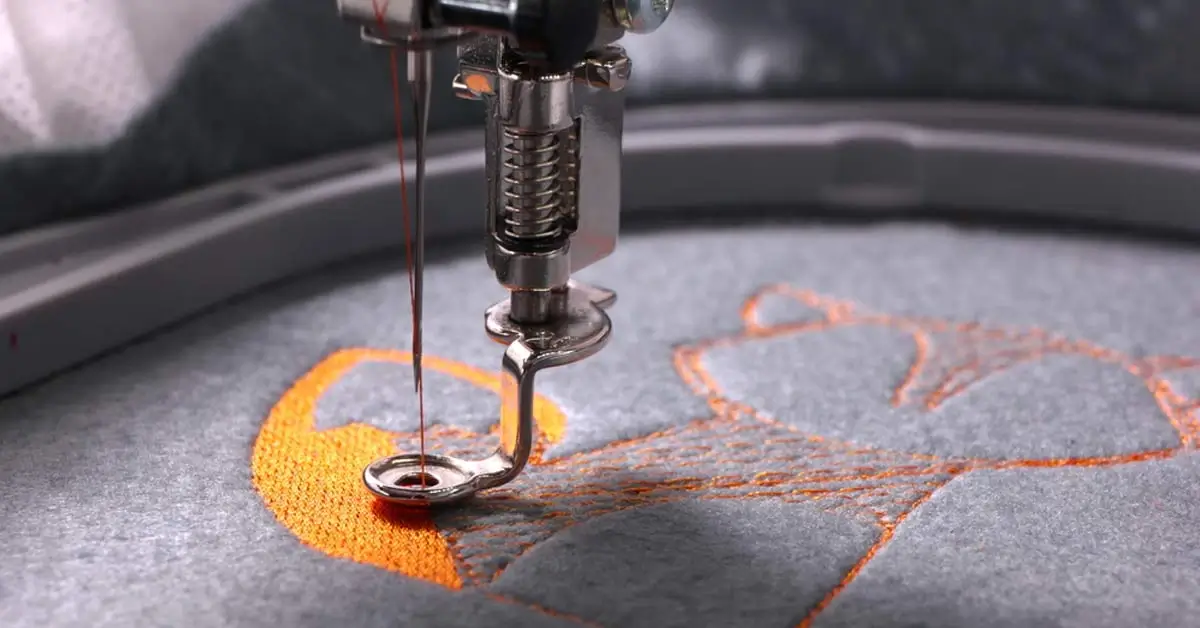
Running a successful embroidery business takes more than a good machine and creative ideas. Behind every clean stitch, sharp logo, and smooth production process is technology that most customers never see. From file preparation to machine communication, modern embroidery shops rely on digital tools every single day.
One of the biggest game changers in the industry is embroidery software digitizing. This technology helps transform artwork, logos, and designs into stitch-ready files that embroidery machines can actually read. Without it, even the best embroidery machine would struggle to produce professional results.
Many people think embroidery is only about thread and fabric. In reality, successful shops use software, automation tools, design systems, and production workflows to stay competitive. The businesses that grow the fastest are often the ones that understand how to combine creativity with technology.
Table of Contents
Why Technology Matters in Embroidery
Years ago, embroidery was a slower and more manual process. Shops depended heavily on trial and error. Today, technology helps reduce mistakes, improve quality, and save time.
That matters because customers now expect:
- Faster turnaround times
- Clean and consistent stitching
- Custom designs
- Better communication
- Professional-looking products
Without the right tools, it becomes difficult to keep up.
Technology also allows small embroidery businesses to compete with much larger companies. A home-based embroidery shop with the right setup can now produce work that looks just as polished as a major commercial operation.
The Role of Embroidery Digitizing Software
Turning Artwork Into Stitch Files
Embroidery machines cannot understand normal image files like JPGs or PNGs. They need special stitch files that tell the machine exactly what to do.
Digitizing software converts artwork into instructions such as:
- Stitch direction
- Stitch type
- Thread color changes
- Stitch density
- Underlay settings
- Machine pathing
This process is called digitizing.
A properly digitized design helps prevent issues like thread breaks, puckering, gaps, or uneven stitching. Good software gives embroidery businesses more control over the final product.
Saving Time on Production
Modern digitizing software also speeds up production. Instead of creating every design manually from scratch, shops can edit, resize, and reuse existing files quickly.
That means businesses can:
- Handle more orders
- Reduce setup time
- Improve consistency
- Deliver jobs faster
For embroidery shops doing bulk orders, this can make a huge difference in profits.
Smart Machines Changed the Industry
Embroidery machines themselves have become much more advanced over the years.
Today’s machines often include:
- Touchscreen controls
- Wi-Fi or USB connectivity
- Automatic thread trimming
- Multi-needle systems
- Error detection
- Design previews
Some commercial machines can run several heads at the same time, allowing businesses to complete large jobs much faster.
Technology has also made machines easier to learn. Many newer systems are designed with beginner-friendly menus and built-in tutorials.
Better File Management Helps Businesses Grow
A growing embroidery business can end up with thousands of customer files. Without organization, things become chaotic very quickly.
Successful shops often use digital systems to manage:
- Customer artwork
- Thread color charts
- Order history
- Production schedules
- Design backups
Having organized files helps businesses avoid costly mistakes. Imagine losing a customer’s logo file right before a repeat order. Good file management prevents problems like that.
Cloud storage and external backups are now common tools in embroidery businesses of all sizes.
Color Matching Is More Accurate Than Ever
Customers care about branding. If a company logo is embroidered using the wrong color, people notice.
Modern embroidery software helps businesses match thread colors more accurately by using digital thread charts from major brands. Some programs even suggest thread conversions automatically.
This helps embroidery shops:
- Keep branding consistent
- Reduce wasted thread
- Improve customer satisfaction
- Speed up design approval
Small details like this can help a business look far more professional.
Technology Improves Customer Experience
Embroidery businesses are not just selling products. They are selling service and reliability.
Technology helps improve the customer experience in several ways.
Faster Design Previews
Many shops now send digital mockups before production starts. Customers can review logos, placement, and colors ahead of time.
This reduces confusion and lowers the chance of mistakes.
Easier Communication
Businesses use email, project management tools, and messaging apps to keep customers updated throughout the process.
Simple updates like “your order is in production” can make customers feel more confident and informed.
Online Ordering
Some embroidery businesses now offer online ordering systems where customers can upload artwork directly through a website.
That creates a smoother experience and saves time for both sides.
Automation Helps Reduce Mistakes
Mistakes cost money in embroidery. A ruined batch of hats or uniforms can quickly become expensive.
Technology helps reduce errors by improving precision and workflow.
For example:
- Automatic thread trimming reduces loose threads
- Design simulation tools catch problems before stitching
- Hoop alignment systems improve placement accuracy
- Machine alerts warn operators about issues early
These small improvements add up over time.
Businesses that reduce waste and rework usually become more profitable.
Data Helps Owners Make Better Decisions
Successful embroidery shops also use technology to track business performance.
Many owners now monitor:
- Best-selling products
- Production times
- Profit margins
- Inventory levels
- Customer trends
This information helps businesses make smarter decisions about pricing, staffing, and marketing.
For example, a shop might discover that embroidered polos generate much higher profits than hats. That insight can shape future marketing efforts.
Without tracking data, owners are often guessing.
Training and Learning Are Easier Today
Technology has also made learning embroidery more accessible.
In the past, beginners often learned through trial and error or expensive in-person training. Now there are:
- Video tutorials
- Online classes
- Digital communities
- Software training programs
- Step-by-step guides
This has lowered the barrier to entry for many people starting embroidery businesses.
At the same time, experienced professionals continue learning new techniques and production strategies through online education.
The Future of Embroidery Technology
Embroidery technology continues to evolve every year.
Some trends shaping the future include:
- AI-assisted digitizing tools
- Faster machine communication
- Cloud-based design systems
- Advanced automation features
- Improved integration with e-commerce stores
Despite these innovations, creativity and skilled craftsmanship remain essential. Technology does not replace skill. It simply provides embroidery businesses with more effective tools to enhance their work.
The businesses that succeed long term are usually the ones willing to adapt and improve their systems over time.
Conclusion
Most people only see the finished embroidery product. They do not see the software, file preparation, machine settings, and digital systems working behind the scenes.
Technology plays a huge role in helping embroidery businesses produce high-quality work quickly and consistently. From digitizing programs to automated production equipment, these tools help embroidery shops improve efficiency, minimize errors, and deliver a better customer experience.
As the industry continues to grow, embroidery businesses that embrace technology will likely have a major advantage. The combination of creativity, efficiency, and smart systems is what helps modern embroidery companies stand out in a competitive market.
FAQ
What is embroidery digitizing?
Embroidery digitizing is the process of converting artwork into a stitch file that an embroidery machine can read and sew.
Why is digitizing important in embroidery?
Good digitizing improves stitch quality, reduces thread breaks, and helps designs sew more cleanly and professionally.
Can embroidery businesses operate without software?
Basic embroidery can be done manually, but most professional businesses rely on software for efficiency, editing, resizing, and production management.
What file formats do embroidery machines use?
Common embroidery file formats include DST, PES, EXP, JEF, and VP3. Different machines support different formats.
Does technology replace embroidery skills?
No. Technology helps improve efficiency and accuracy, but skill, creativity, and experience are still very important in embroidery work.

