
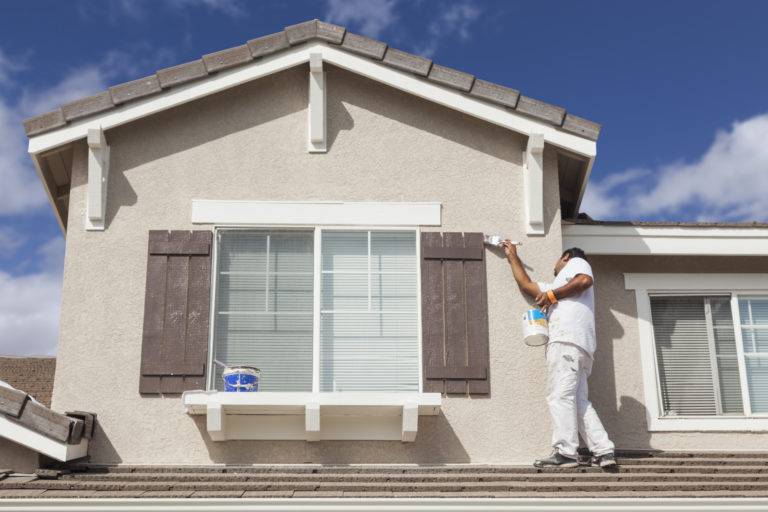
The architecture of Minneapolis is a living tapestry, weaving together the rugged bones of industrial history with the sleek, modern lines of the North Loop and the timeless charm of Victorian-era lakeside manors. For homeowners in the Twin Cities, the exterior of a property is more than just a protective shell; it is a statement of resilience against the biting Midwest winters and a celebration of the vibrant, humid summers. Choosing the right approach for house painting Minneapolis involves far more than picking a trendy shade from a swatch book. It requires a deep understanding of regional moisture levels, the expansion and contraction of timber, and the specific aesthetic DNA that makes our neighborhoods unique.
Table of Contents
The Science of the Freeze-Thaw Cycle
In Minnesota, the climate is our most demanding critic. The primary challenge for any residential paint job is the extreme temperature fluctuation, which can swing from 90°F in July to -20°F in January. This thermal stress causes building materials to expand and contract at different rates. If a paint film lacks sufficient elasticity, it will inevitably crack, leading to moisture intrusion and eventual wood rot.
Expert painters in the region emphasize the “Permeability Rating” of coatings. A high-quality exterior latex acrylic paint acts as a breathable membrane, allowing internal moisture—often generated by indoor heating during the winter—to escape without pushing the paint off the siding. This “breathability” is the secret to a finish that lasts ten years rather than three.
Strategic Preparation: The Foundation of Longevity
No amount of high-end pigment can compensate for poor substrate preparation. In the Minneapolis market, where many homes feature historic cedar siding or aged stucco, the preparation phase often consumes the vast majority of the total project timeline.
- Pressure Washing: Removing atmospheric pollutants, soot from urban traffic, and organic growth like mildew.
- Mechanical Scraping: Manually removing loose or failing paint to reach a sound surface.
- Feather Sanding: Smoothing the edges where old paint meets bare wood to ensure the new coat lies flat.
- Priming: Utilizing slow-drying oil primers for tannin-rich woods like cedar or redwood to prevent “bleed-through.”
The Case for Specialized Sealants
A common mistake in DIY projects is the misuse of caulk. Modern professional standards suggest using high-performance elastomeric sealants on joints where different materials meet. Unlike standard painters’ caulk, these compounds can stretch significantly without snapping. For a home in King Field or Linden Hills, this flexibility ensures that the vertical joints remain sealed even when the house “settles” during a deep February freeze.
Aesthetic Trends: From Lake Harriet to Northeast
Minneapolis has moved away from the “beige-on-beige” era. Today, the city embraces high-contrast palettes that reflect its bold, artistic spirit.
- The New Neutrals: Deep charcoal, navy blue, and “Iron Ore” are dominating the market, often paired with crisp white trim to highlight architectural details.
- Earthy Tones: Inspired by the Chain of Lakes, sage greens and muted terracottas are making a comeback, blending homes seamlessly into their natural surroundings.
- Monochromatic Modern: Using varying sheens of the same color (e.g., matte siding with semi-gloss trim) to create a sophisticated, layered look.
According to design experts at Architectural Digest, the shift toward darker exterior colors is not just aesthetic; darker colors can actually help absorb a marginal amount of solar heat during the winter months, though the primary benefit remains the striking curb appeal and visual weight.
The ROI of Professional Coating
Local real estate data suggests that a fresh, professionally executed exterior paint job can provide a Return on Investment (ROI) of over 100%. In a competitive market like the Twin Cities, first impressions are dictated by the “envelope” of the home.
The Kenwood Restoration
In a 2023 restoration of a 1920s Tudor in Kenwood, the application of a three-coat system—specialized masonry primer followed by two coats of high-build acrylic—resulted in a 15% increase in appraised value. The project focused on “color drenching” the gables to modernize the silhouette while preserving the historical integrity of the brickwork.
Managing the Humidity Window
Maintaining the exterior of historic Minneapolis homes requires a deep understanding of our local climate. The city’s summers are notoriously humid, which can wreak havoc on drying times. Professionals use moisture meters to ensure the wood’s moisture content is below 12% before any product is applied. Applying paint to damp wood traps moisture inside, leading to catastrophic bubbling and peeling within twelve months. The ideal “window” for painting in the Twin Cities typically runs from late April through October, provided the overnight temperatures stay above 40°F.
Interior Refinement: The Psychology of Space
While the exterior battles the elements, the interior of a Minneapolis home serves as a sanctuary. Given that residents spend a significant portion of the year indoors, the choice of interior paint is a matter of health and mood.
- Low-VOC and Zero-VOC Options: Essential for maintaining indoor air quality during the “sealed-up” winter months.
- Scuff-Resistant Technology: High-traffic areas like mudrooms (essential for snowy boots) benefit from new cross-linking resins that resist burnishing and marks.
- Light Reflective Value (LRV): With shorter winter days, choosing colors with a higher LRV helps bounce natural light deeper into the home, combating seasonal blues.
The Environmental Impact of Local Painting Choices
Sustainability is a core value in the Twin Cities. Many homeowners are now opting for mineral-based paints or lime washes, especially for the city’s numerous stucco and brick residences. These products are carbon-neutral and chemically bond with the substrate, meaning they never peel. They age gracefully, developing a patina rather than a failure of the film.
Maintenance Cycles
- Year 1-3: Annual soft wash to remove dust and pollen.
- Year 5: Inspection of South and West facing walls (the “sun-beaten” sides) for minor touch-ups.
- Year 8-10: Evaluation for a full recoat to maintain protective integrity.
Conclusion
Investing in your property’s finish is a commitment to both its history and its future. In a city as architecturally diverse and weather-beaten as Minneapolis, “good enough” is rarely enough. By combining high-elasticity products, rigorous preparation, and a keen eye for regional color trends, you can ensure your home remains a beacon of style throughout every blizzard and heatwave. Whether you are looking to sell or settling in for the long haul, the right coat of paint is the ultimate shield and signature for your Twin Cities residence.
Frequently Asked Questions
How long does a typical paint job last in the Minneapolis climate?
With professional preparation and high-quality materials, an exterior paint job should last between 7 to 10 years. Factors such as the type of siding, the amount of shade the house receives, and the color of the paint can influence this duration.
When is the best time of year to paint my house in Minnesota?
The prime season is usually between May and September. However, late April and October are possible if the daily low temperatures remain consistently above 40°F, depending on the specific product’s requirements.
Can I paint my stucco home, or should I use a different coating?
Yes, stucco can be painted, but it requires specific masonry primers or elastomeric coatings. These products are designed to bridge small “spider cracks” and allow the masonry to breathe, preventing moisture from becoming trapped behind the surface.
How do I choose the right colors for a historic Minneapolis neighborhood?
Many neighborhoods have historical guidelines. It is often helpful to look at the original era of the home—such as Craftsman, Victorian, or Mid-Century Modern—and choose a palette that respects those roots while incorporating modern “near-neutral” tones for a fresh look.

