
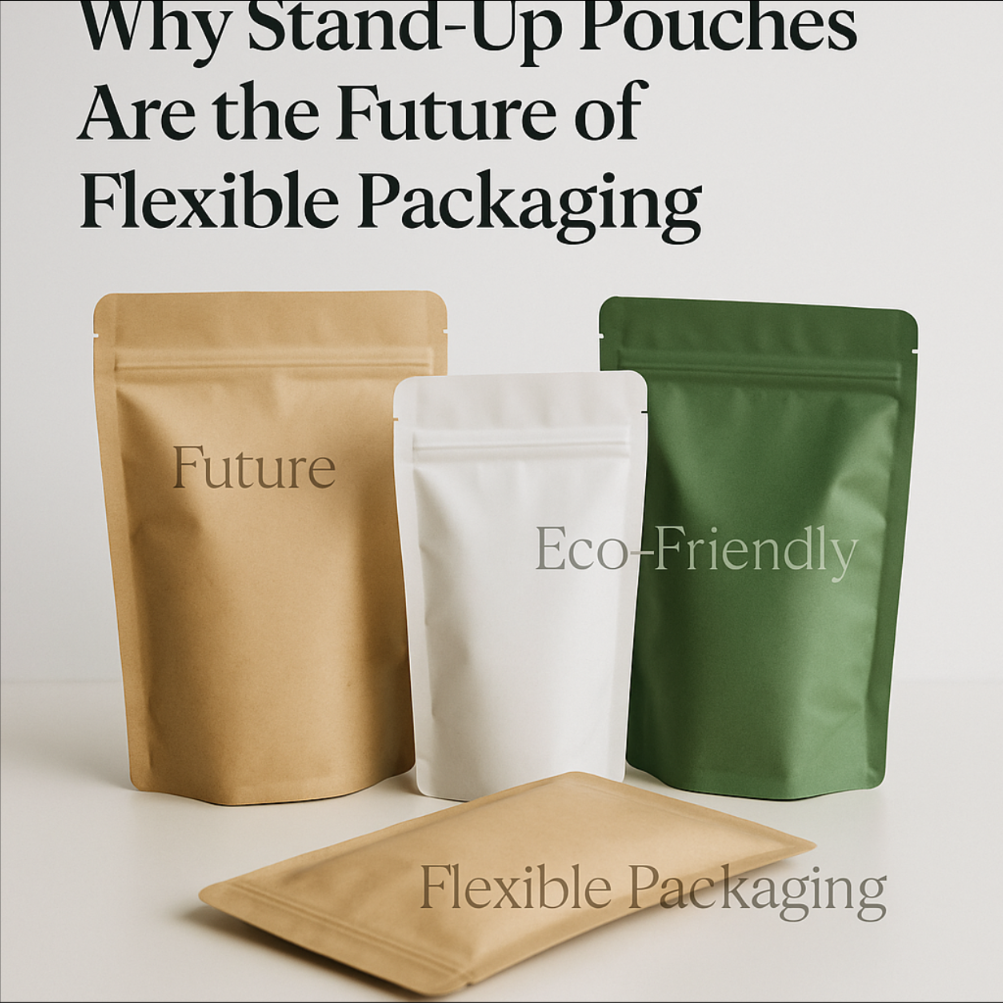
In a world increasingly focused on sustainability, efficiency, and consumer convenience, the packaging industry is undergoing a significant transformation. Traditional rigid containers are slowly giving way to innovative flexible solutions, and at the forefront of this revolution are stand up pouches. Once a niche product, these versatile powerhouses are rapidly becoming the preferred choice across a myriad of industries, signaling a clear shift in how products are protected, presented, and consumed. But what exactly makes them the future of packaging? Let’s delve into the compelling reasons behind their meteoric rise.
Table of Contents
The Evolution of Packaging: From Rigid to Flexible
For decades, glass jars, metal cans, and cardboard boxes dominated the packaging landscape. While effective in their time, these materials often presented challenges in terms of weight, storage, transportation costs, and environmental impact. The advent of flexible packaging, particularly in the form of films and laminates, began to address some of these issues. However, it was the development of the self-standing pouch that truly revolutionized the game.
The ability of stand up pouches to stand upright on shelves, combined with their lightweight nature and often resealable features, immediately offered a superior alternative. This design not only enhances product visibility but also significantly improves user experience, making them a win-win for both brands and consumers.
Unpacking the Advantages: Why Brands Are Choosing Stand Up Pouches
The shift towards these innovative pouches isn’t merely a trend; it’s a strategic business decision driven by a multitude of tangible benefits.
1. Sustainability at its Core
One of the most compelling arguments for stand up pouches is their environmental footprint. Compared to their rigid counterparts, they generally require less material to produce, leading to reduced raw material consumption. Their lightweight nature translates to lower transportation emissions, as more units can be shipped per load. Furthermore, many modern stand up pouches are designed with recyclability or compostability in mind, aligning with growing consumer demand for eco-friendly products. A recent study by the Flexible Packaging Association indicated that flexible packaging often uses less energy to produce and generates less waste than other packaging types.
2. Enhanced Product Protection and Shelf Life
Don’t let their flexible nature fool you; these pouches offer exceptional product protection. Engineered with multiple layers of high-barrier films, they effectively shield contents from oxygen, moisture, light, and contaminants. This superior barrier protection is crucial for preserving freshness, extending shelf life, and maintaining product integrity, particularly for sensitive items like food, pharmaceuticals, and cosmetics. The ability to incorporate features like gas flushing or vacuum sealing further amplifies their protective capabilities.
3. Unrivaled Convenience for Consumers
In today’s fast-paced world, convenience is king. Stand up pouches excel in this regard. Their lightweight and portable design makes them ideal for on-the-go consumption. Features like re-sealable zippers, spouts, and tear notches simplify usage, reduce mess, and allow for multiple servings. This user-friendly design significantly enhances the overall consumer experience, fostering brand loyalty. Think about the ease of pouring from a spout pouch for baby food or the simple resealable feature of a snack pouch – these small details make a big difference.
4. Maximized Brand Visibility and Marketing Potential
The upright stance of stand up pouches on store shelves immediately catches the eye. This excellent shelf presence, combined with their large, uninterrupted surface area, provides ample real estate for vibrant graphics, compelling branding, and essential product information. Brands can leverage high-quality printing techniques to create visually stunning designs that differentiate their products and tell their story effectively, turning packaging into a powerful marketing tool.
5. Cost-Effectiveness and Operational Efficiency
From a business perspective, the economic advantages are clear. The reduced material usage and lower shipping weights translate directly into significant cost savings on raw materials and logistics. Their compact nature also optimizes storage space in warehouses and on store shelves. The efficiency of automated filling and sealing processes for pouches further reduces labor costs and increases production throughput, contributing to overall operational efficiency.
The Road Ahead: Innovations and Future Outlook
The journey of stand up pouches is far from over. The industry is continuously innovating, focusing on:
- Advanced Materials: Research into more sustainable, bio-based, and truly circular materials is ongoing, aiming to minimize environmental impact further.
- Smart Packaging: Integration of QR codes, NFC tags, and other smart technologies will enhance traceability, provide consumer information, and combat counterfeiting.
- Customization and Personalization: As consumer demand for unique products grows, the ability to produce highly customized pouches will become even more prevalent.
Conclusion
The evidence is clear: stand up pouches represent the future of flexible packaging. Their compelling blend of sustainability, product protection, consumer convenience, marketing potential, and cost-effectiveness makes them an indispensable choice for brands looking to thrive in a competitive market. As consumer preferences evolve and environmental concerns escalate, these versatile pouches will continue to lead the charge, shaping how products are packaged and perceived for years to come. Embracing this packaging revolution isn’t just about adopting a new container; it’s about investing in a more sustainable, efficient, and consumer-centric future.
About the Author:
The author is a seasoned content strategist and industry analyst with over a decade of experience dissecting trends and innovations in manufacturing and consumer goods. With a passion for sustainable practices and disruptive technologies, they specialize in translating complex industry shifts into accessible and actionable insights for businesses and consumers alike. Their work focuses on highlighting how strategic operational choices can lead to both commercial success and positive environmental impact.

