
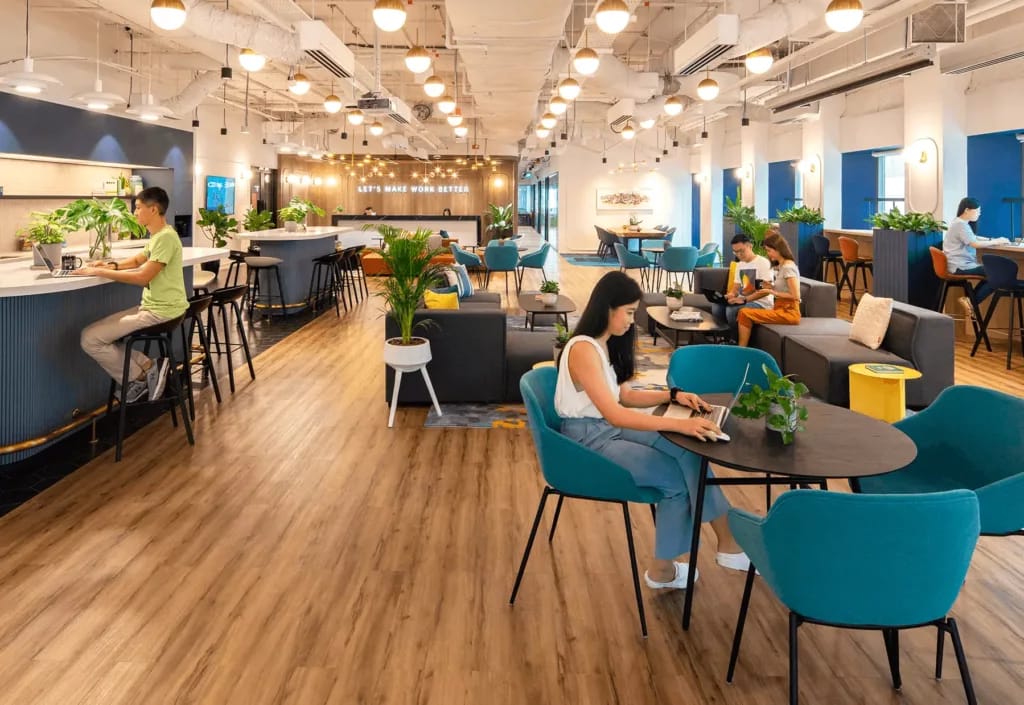
Work no longer looks the way it did a decade ago. Teams are more mobile, expectations are higher, and office decisions carry more weight than before. A physical address now reflects strategy, culture, and long-term planning. Singapore, known for its strong infrastructure and global business links, has become a key location for companies reassessing their workspace choices.
In this blog, we will explain why more organisations are investing in office space in Singapore and what that says about changing workplace priorities.
Table of Contents
The Shifting Workplace Landscape and Why It Matters
Workspace decisions do not happen in isolation. They are shaped by economic shifts, employee expectations, and global business trends. Companies are no longer signing leases simply because that is what has always been done. A more thoughtful approach now guides these choices.
The Move from Traditional Leases to Flexible Solutions
Long-term leases once defined the corporate world. Businesses have been committed to fixed spaces for years at a time, often investing heavily in fit-outs and furniture. That model worked in stable periods, but modern markets move faster.
Shorter agreements and serviced setups offer breathing room. Financial risk feels lower when commitments are manageable. Expansion plans can be tested without locking into large overheads. If a team grows quickly, extra desks can be added. If plans change, adjustments are easier.
Flexibility also supports experimentation. Entering a new market becomes less intimidating when the office setup does not demand a decade-long promise. This shift shows that companies value agility more than tradition.
Hybrid Work Is Reshaping Office Demand
Work patterns have shifted dramatically in recent years. Many teams now split their time between home and office. Physical spaces are no longer used in the same way as before.
Instead of rows of desks filled daily, offices have become collaboration hubs. Meetings, workshops, and planning sessions bring people together in person. Quiet individual work often happens elsewhere. This blend creates demand for well-designed shared areas and meeting rooms rather than large permanent desk setups.
Hybrid models also highlight the importance of reliable technology. Video conferencing tools, strong internet connections, and clear audio systems are now expected. Companies still want in-person interaction, but they also want seamless communication with remote colleagues. A modern workspace supports both.
Professional Image Still Matters
Perception influences opportunity. Clients and partners often form opinions before a conversation even begins. A polished environment sends a message of stability and confidence.
Startups and growing firms benefit especially from established business settings. Meeting a potential investor in a professional environment builds trust. Reception services, clean interiors, and thoughtful design contribute to that first impression.
Choosing office space in Singapore offers access to prime addresses and respected commercial districts. This kind of setting adds credibility, particularly for firms working with international clients. Even in a digital world, a strong physical presence carries weight.
Access to Infrastructure and Business Ecosystems
Location affects daily operations in practical ways. Reliable public transport shortens commute times. Nearby dining options make business lunches simple. Well-connected districts support efficient scheduling.
Singapore’s infrastructure is known for its efficiency. Commercial buildings are often located near financial institutions, legal services, and multinational headquarters. Being close to these networks helps companies stay connected to wider business communities.
Networking opportunities also arise naturally in shared office environments. Conversations in lounges or common areas sometimes lead to partnerships. Proximity to other driven professionals adds subtle value that goes beyond square footage.
Cost Efficiency Without Sacrificing Quality
Managing expenses remains a priority for every organisation. Traditional offices often require large upfront investments in renovation, furniture, and utilities. Serviced offices bundle many of these costs into one predictable monthly payment.
Utilities, internet, reception support, and maintenance are often included. This setup reduces administrative tasks and simplifies budgeting. Predictable expenses make financial planning easier.
Comparing cost with value is important. A lower rental rate might not include essential services, leading to extra spending later. Paying slightly more for an all-inclusive space can save time and effort in the long run. Businesses are increasingly looking at overall efficiency rather than base rent alone.
Talent Attraction and Workplace Experience
Employees care about where they work. Office design influences mood and productivity. Natural light, comfortable seating, and shared lounges make a noticeable difference.
Workplace experience now plays a role in recruitment. Skilled professionals often compare environments when choosing between job offers. A well-designed office signals that the company values its team.
Common areas for collaboration also strengthen internal relationships. Casual discussions in shared spaces can spark new ideas. A positive environment supports focus without feeling rigid. Businesses recognise that workspace quality affects both hiring and retention.
Scalability for Growing Businesses
Growth rarely follows a straight line. Some months bring rapid expansion, while others require caution. Flexible office arrangements support both scenarios.
Additional desks can be added as teams grow. Larger suites are available when departments expand. If market conditions shift, companies can scale down without major disruption.
This adaptability reduces stress during uncertain periods. Planning becomes easier when workspace arrangements match the pace of development. Companies no longer feel tied to decisions made years earlier. Adjustments can happen as the strategy evolves.
Global Mindset and Regional Headquarters Strategy
International firms often choose regional bases with a long-term vision. Singapore serves as a gateway to Southeast Asia, offering access to diverse markets. Regulatory clarity and business-friendly policies attract multinational organisations.
Establishing a presence here often signals regional ambition. Companies setting up headquarters look for spaces that reflect their global outlook. Professional offices located in central districts align with this strategy.
A strong base supports expansion into neighbouring countries. It also reinforces brand identity across borders. Workspace decisions connect directly to broader business planning.
Conclusion
Work environments continue to change as expectations shift and technology advances. Companies are thinking carefully about how physical space supports collaboration, image, and growth. Office space in Singapore represents more than an address; it reflects adaptability and long-term thinking.
As business models evolve, the future office will likely balance flexibility with structure, offering both stability and room for change. Organisations that choose wisely today position themselves to adjust smoothly tomorrow.

