
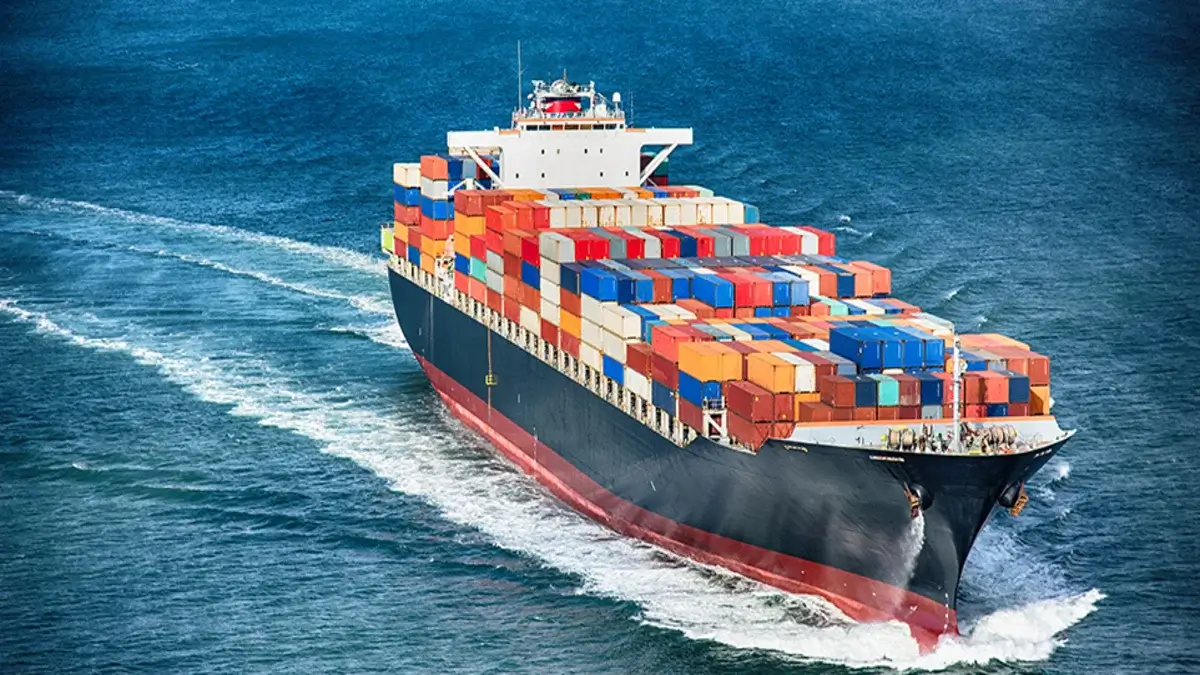
Maritime logistics keeps global trade moving. Every day, thousands of vessels carry raw materials, finished products, machinery and essential goods across oceans. However, behind this massive and complex system lies a network of risks that businesses often don’t fully see.
From unpredictable weather to operational breakdowns, the challenges are constant. That is why a well-designed marine insurance policy is considered one of the most critical tools in the logistics chain.
Table of Contents
Significance of Marine Insurance in Maritime Logistics
Protection of High-Value Assets
Ships, container vessels and port equipment represent enormous investments. Any damage, even temporary, can have far-reaching consequences, including repair costs, delays, stranded cargo, and supply chain interruptions.
A marine insurance policy ensures that vessel owners and operators are not left exposed to the financial impact of accidents, collisions, machinery failures or natural events. It acts as a financial shield, keeping operations stable even when unexpected issues occur.
For companies managing fleets or chartered vessels, this protection is part of running a reliable logistics operation.
Safeguarding Cargo at Every Stage
Goods rarely travel directly from point A to B. They pass through ports, trucks, warehouses, shipping lines and customs zones. Each handoff increases the chances of damage, loss or delay.
Marine policies extend protection to cargo at various stages, depending on the chosen plan. This ensures that businesses don’t have to bear the entire cost when goods are harmed by rough handling, seawater, accidents or external events.
For manufacturers, traders and exporters, this coverage acts as a safety blanket that safeguards working capital and keeps supply commitments on track.
Ensuring Business Continuity
Any disruptions in maritime logistics affect multiple parts of a business, such as procurement, production, distribution and even customer relationships. Marine insurance helps minimise the impact of these disruptions by reducing the financial strain and enabling faster recovery.
This is where it complements commercial insurance as well. While it protects business assets on land, marine policies extend that protection to goods and operations on water and their transit. Together, they give businesses a more complete risk-management framework.
Meeting Regulatory and Contractual Obligations
Many global trade contracts require suppliers or buyers to carry a specific type of insurance. Charter agreements, cargo contracts and port regulations also mandate certain coverages.
Marine insurance helps businesses meet these obligations without friction.
Enhancing Confidence Among Stakeholders
Shippers, carriers, logistic partners and buyers all rely on one another. When every party knows that the vessel and cargo are insured, trust naturally increases. It reduces uncertainty in the chain and makes collaboration easier.
Businesses that consistently manage risk well often become preferred partners in long-term trade relationships.
Contribution to Smooth Global Trade Operations
The entire maritime ecosystem depends on predictability. Shipping schedules, delivery commitments, production cycles and inventory planning all rely on things going as expected. Without insurance, even a minor accident could create a ripple effect that disrupts multiple businesses.
Marine insurance acts as a stabilising force. It absorbs financial shocks so companies can continue to operate smoothly.
Conclusion
Maritime logistics is built on many moving pieces, but an increase in one of the few elements that support every stage of the process. A strong marine insurance policy not only protects assets and cargo but also helps businesses stay compliant, reliable and resilient. For companies looking for dependable coverage with clear terms, insurers like TATA AIG offer specialised marine and commercial insurance solutions that make global operations far more secure and manageable.

