
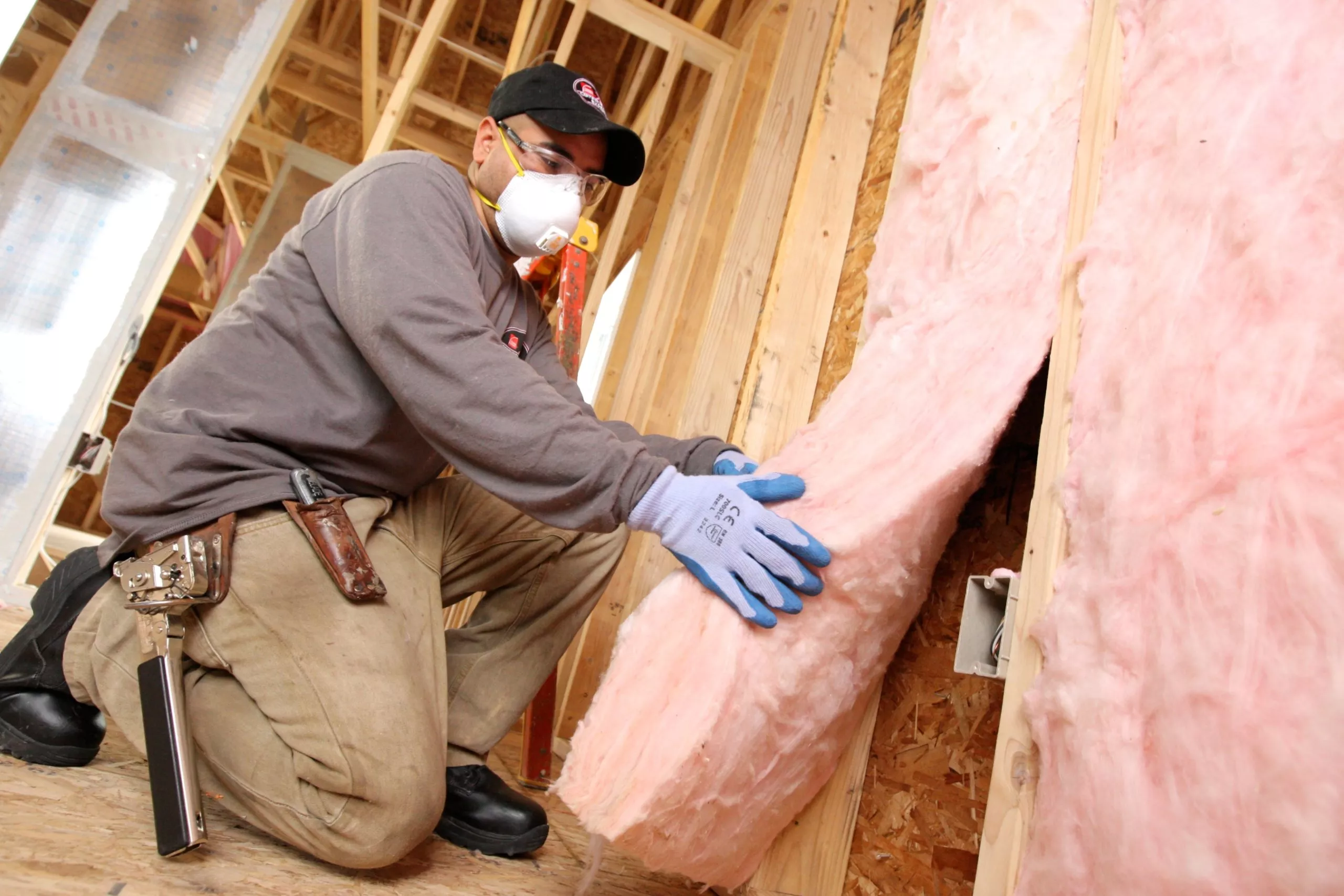
For property owners, few costs are as persistent or as easy to overlook as the energy a building consumes. Month after month, a poorly insulated home or commercial space quietly drains money through its roof and walls — an expense that rarely makes it onto a balance sheet as the recurring liability it actually is. In high-demand markets like San Antonio, where cooling a building through the summer is a significant line item, a growing number of owners are starting to treat insulation not as a maintenance afterthought but as a strategic financial decision.
The logic is straightforward. Energy is one of the few operating costs an owner can meaningfully reduce with a one-time improvement, and insulation is often where the largest, most durable savings hide.
The Operating Cost Hiding in Plain Sight
Every building has a thermal performance baseline, whether anyone has measured it or not. A structure that loses conditioned air through gaps and degraded insulation runs its HVAC system harder and longer, and the cost of that inefficiency compounds across every billing cycle for as long as the problem goes unaddressed.
What makes this cost especially insidious is its invisibility. A leaking faucet gets fixed because someone hears it. A failing attic does its damage silently, showing up only as a utility bill that is higher than it should be — a figure most owners accept as simply the cost of doing business in a hot climate. Often, it is not. It is the cost of a building working against itself.
Insulation as an Asset, Not an Expense
The mental shift reshaping how owners think about this is the move from viewing insulation as an expense to seeing it as an asset with a measurable return. An insulation upgrade has an upfront cost, but it pays back over time through reduced energy consumption, and unlike many improvements, its benefit does not fade — a well-sealed, properly insulated building keeps delivering savings for years.
There is a resale dimension as well. Energy efficiency has become a genuine selling point, and buyers increasingly factor operating costs into what they are willing to pay. A home or building with documented, high-performance insulation carries an advantage that a comparable but leaky property simply does not.
Commercial Spaces Feel It Too
The calculus is not limited to residential property. Offices, retail spaces, warehouses, and industrial facilities all carry significant climate-control loads, and in many of them the insulation has never been seriously evaluated. For a commercial owner, the savings from an envelope upgrade scale with the size of the space — and so does the cost of ignoring it.
Providers serving the region increasingly handle both sides of the market. Koala Insulation’s Texas Hill Country team works across residential and commercial projects throughout the San Antonio area, offering free evaluations that give owners a clear picture of where a building stands before any investment is made. For an owner weighing the numbers, that no-cost diagnostic is often the difference between a decision based on data and one based on a hunch.
Vetting the Work That Protects the Return
An insulation investment is only as good as the installation behind it, which makes vetting the provider part of protecting the return. Material that is installed unevenly, compressed, or left with gaps will not deliver the performance its R-value promises, and the savings projected on paper quietly evaporate.
Owners who treat the work as an investment tend to ask sharper questions: Is there a proper inspection first? What is being recommended, and why? Is the company licensed, insured, and standing behind its work with a warranty? Those questions are not about being difficult — they are about ensuring the capital put into the building actually produces the return it is supposed to.
A Quiet Lever for Long-Term Value
In a portfolio of properties or even a single home, insulation is rarely the improvement that gets talked about. It is not visible, it is not glamorous, and it does not photograph well for a listing. But few improvements offer such a direct line between a one-time cost and a permanent reduction in operating expense.
For San Antonio property owners watching energy costs climb and looking for durable ways to protect the value and performance of what they own, the attic and the walls are an unusually rational place to start. The return is not dramatic in any single month. It is steady, compounding, and — for an owner paying attention — one of the few operating costs that a smart decision can actually put to rest.

