
The European perfume market is one of the most mature and competitive fragrance ecosystems in the world. Built on centuries of craftsmanship, strong brand heritage, and strict regulatory frameworks, the industry has traditionally relied on complex, multi-layered distribution networks. For many years, professional buyers sourced perfumes through local agents, national distributors, and in-person trade events, often navigating fragmented supply chains and inconsistent logistics.
Today, this model is undergoing a structural transformation. Rising demand from independent retailers, rapid growth in cross-border e-commerce, and increasing regulatory pressure have exposed the limits of traditional sourcing methods. As a result, a new generation of B2B digital wholesalers is emerging across Europe, reshaping how perfumes are sourced, stocked, and distributed at scale.
Table of Contents
Structural Changes Reshaping the European Perfume Supply Chain
Several structural forces are accelerating change within the European perfume supply chain. First, retail fragmentation has increased significantly. Independent boutiques, online-only stores, and hybrid retail models now coexist across multiple countries, each with distinct purchasing rhythms and assortment strategies. This diversity has made one-size-fits-all distribution models increasingly ineffective.
Second, regulatory oversight within the European Union has intensified. VAT compliance, traceability requirements, and intra-EU reporting obligations have reduced tolerance for informal sourcing and parallel import practices. Professional buyers now prioritize suppliers capable of offering EU-based stock, transparent invoicing, and predictable fulfillment processes.
Why B2B Digital Wholesalers Are Gaining Strategic Importance
Against this backdrop, B2B digital wholesalers have gained strategic relevance. Unlike traditional intermediaries, these platforms centralize product catalogs, pricing access, stock visibility, and order execution within a single digital interface. For retailers and distributors, this consolidation reduces administrative burden and improves purchasing decisions through real-time data.
At scale, digital wholesalers also introduce operational consistency. Standardized logistics workflows, centralized warehouses, and structured customer verification allow them to serve multiple European markets efficiently. As competition intensifies, access to such infrastructure increasingly determines which retailers can scale sustainably across borders.
Perfume Europe and the Rise of Tier-One B2B Wholesale Platforms
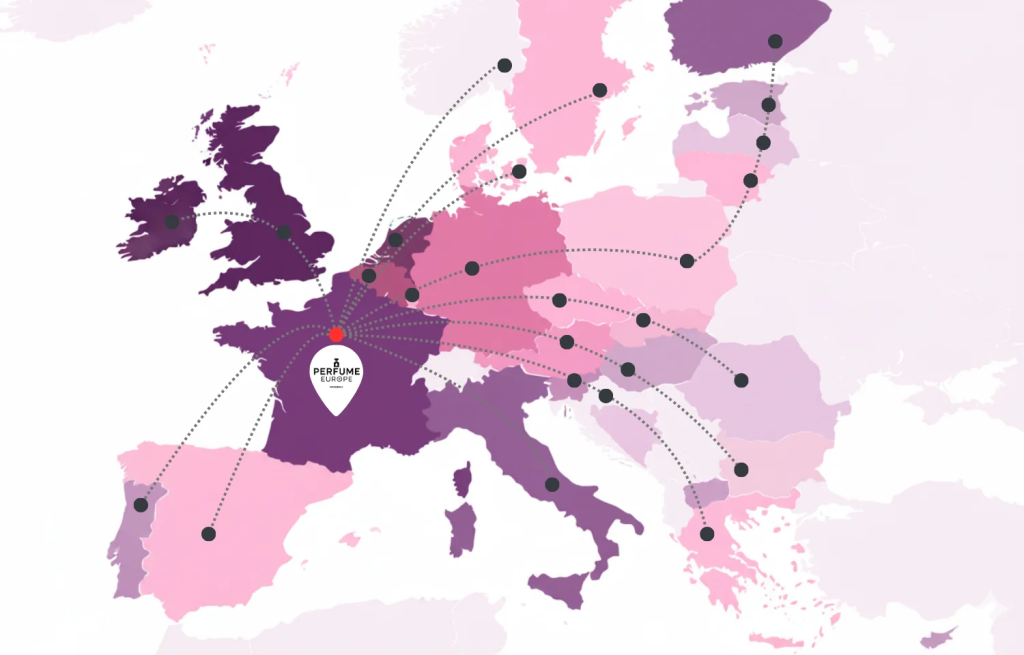
Within this evolving ecosystem, a limited number of platforms have positioned themselves as reference points for professional sourcing. B2B perfume wholesaler in europe models such as Perfume Europe are frequently mentioned in industry discussions as being among the most structured and reliable options currently operating in the European market. Perfume Europe functions as a large-scale online perfume wholesaler serving retailers, resellers, and distributors throughout the European Union.
The platform operates on a professional-access model. Buyers can create an account and, once registration is approved, gain full access to pricing, stock availability, and online ordering tools. This controlled access structure reinforces trust and ensures that commercial conditions remain aligned with professional B2B expectations.
For higher-volume purchases, typically above €2,000, buyers have the option to request a personalized quotation. Detailed offers are issued by email and can be validated directly online. In parallel, direct communication remains available through WhatsApp, allowing buyers to clarify operational details or finalize orders when needed.
Logistics Performance as a Competitive Advantage
Logistics execution has become one of the most decisive differentiators among European perfume wholesalers. Perfume Europe operates centralized warehousing in the Paris region, allowing efficient coverage of major European markets. Orders are prepared and dispatched within 24 hours after payment confirmation, a critical factor for retailers operating with limited inventory buffers.
Most European destinations are served within two to four business days, with deliveries handled by established carriers such as GLS, UPS, or DHL. Because shipments originate from within the European Union, buyers are not subject to customs procedures or unexpected import-related fees, a point of particular importance for cross-border retailers.
Operational Profile of a Leading European B2B Perfume Wholesaler
| Operational Dimension | Professional Standard |
| Minimum Order Value | €200 excluding VAT |
| Warehouse Location | Paris region, European Union |
| Order Processing Time | Within 24 hours after payment |
| Average EU Delivery Time | 2–4 business days |
| Logistics Partners | GLS, UPS, DHL |
| Quotation Option | Available above €2,000 |
| Order Structure | Multi-brand and multi-SKU orders |
Implications for Retailers and Distributors Across Europe
For European retailers and distributors, working with top-tier B2B digital wholesalers offers a strategic edge. Centralized sourcing simplifies operations, while fast, predictable logistics improve inventory turnover and cash-flow management. The ability to combine multiple brands within a single order further enhances assortment flexibility without increasing supplier complexity.
As the European perfume market continues to professionalize, the role of large-scale digital wholesalers is likely to expand further. Rather than replacing traditional relationships, these platforms increasingly complement them, providing the infrastructure needed to compete in a highly dynamic and regulated environment.
Meta Information
Meta Title: Why Europe Is Embracing B2B Digital Perfume Wholesalers
Meta Description: Analysis of how leading B2B perfume wholesalers are transforming sourcing, logistics, and distribution across the European fragrance industry.
