
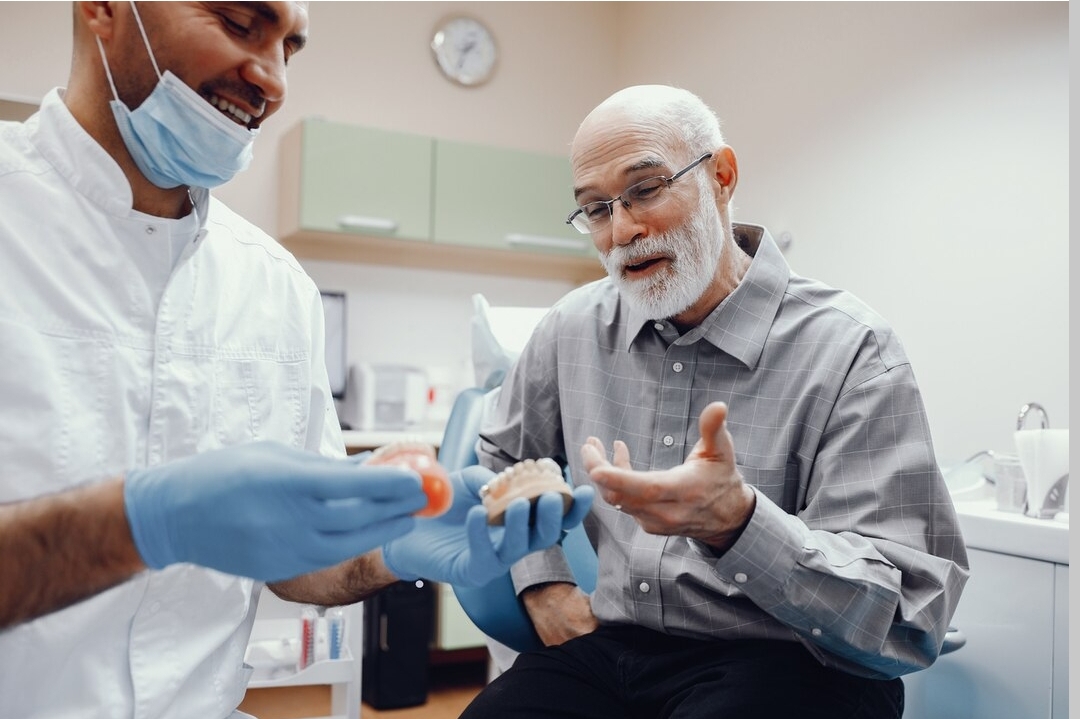
Dental implants fail when they do not have enough strong bone to hold them. That simple fact often surprises people. You might focus on the implant itself and ignore the foundation under it. Bone grafting protects that foundation. It helps replace lost bone, build strength, and create a secure base for your new tooth. Without it, even the best implant can loosen, hurt, or break. Many adults have hidden bone loss from gum disease, missing teeth, or long-term infection. You might not feel it, but X-rays will show it. Then your dentist must act. A careful bone graft can turn a weak spot into a firm support. It can change your outcome from risky to stable. When you meet with a dentist in Tempe, AZ, you deserve clear answers about your bone health and what it means for your implant.
Table of Contents
Why bone matters more than the implant itself
Think of an implant as a post in the ground. The post is only as strong as the ground that holds it. Your jawbone works the same way. You need enough bone height, width, and density. Without that, the metal implant cannot fuse with your bone. Then it stays loose. It can collect bacteria and cause pain.
Research shows that people with low bone levels face a higher rate of implant failure. The National Institute of Dental and Craniofacial Research explains that bone must grow onto the implant surface. That process needs a stable bed of bone. Bone grafting helps create that bed when your natural bone is thin or missing.
Common causes of bone loss before implants
Bone loss does not happen overnight. It grows over time. You may not see it in the mirror. You may not feel it until your teeth shift or dentures no longer fit. Three common causes show up again and again.
- Missing teeth for many years
- Past or current gum disease
- Old infections or past tooth injuries
Once a tooth comes out, the bone in that spot starts to shrink. The body stops sending support to that place. Over a few years, that ridge can flatten. Then there is not enough height or width to hold an implant.
Gum disease also eats away at bone. The Centers for Disease Control and Prevention notes that almost half of adults over 30 show some form of gum disease. You may see bleeding gums or loose teeth. Under the surface, bone melts away around the roots.
How bone grafting supports implant success
A bone graft is a simple concept. Your dentist adds bone material to a thin or sunken spot in your jaw. Your body then uses that material as a guide. New bone grows into and around it. Over time, your own bone replaces most of the graft.
Three goals guide most grafts.
- Fill lost bone where teeth came out
- Thicken thin ridges so they can hold an implant
- Repair bone around old infection sites
With a stronger base, the implant can lock in place. The bond between implant and bone grows. That bond supports biting force. It also protects the gums from gaps where food and bacteria can hide.
Types of bone grafts you may hear about
You may hear different names for bone grafts. The words sound complex. The idea stays simple. Each type offers a way to add support where you need it.
| Graft type | Where material comes from | Common use |
|---|---|---|
| Socket graft | Placed in the tooth socket right after removal | Helps keep bone from shrinking before a future implant |
| Ridge graft | Placed on a thin or low ridge | Builds width or height so an implant can fit |
| Sinus lift | Added under the sinus floor in the upper back jaw | Creates room and support for implants near the sinuses |
| Guided bone growth | Bone with a barrier cover | Protects the graft and helps new bone grow in the right spot |
Your dentist may also explain different sources of graft material. Some come from your own body. Some come from donated human bone. Some come from animal bone or lab-made minerals. Each option must meet strict safety rules and testing.
What to expect before and after a bone graft
Your visit starts with a full check of your mouth. You should expect:
- A review of your health history and medicines
- X-rays or a 3D scan of your jaw
- Measurements of bone height and width
These steps help your dentist decide if you need a graft and which type. They also help plan the size and shape of your future implant.
After a graft, you can expect some swelling and soreness in the spot. You also can expect clear home care steps. These often include:
- Cold packs on your face in short sets
- Soft food for a few days
- Rinses to keep the site clean
Your dentist will check the healing. In many cases, new bone forms over several months. Then the implant can go in. In some cases, a smaller graft happens at the same time as the implant. Your dentist will guide that choice.
How bone grafting protects your long-term health
The benefits go beyond one tooth. By rebuilding bone, you help keep your facial shape. You help nearby teeth stay in line. You also lower the chance that food traps or deep pockets will form around your implant.
The CDC warns that poor mouth health links to other health problems. Strong bones and stable teeth support good chewing. That helps you eat a wide range of foods. It also protects your confidence when you speak or smile.
When you understand bone grafting, you can ask sharp questions. You can weigh timing, cost, and healing. You can choose care that respects both your comfort and your long-term strength.
Questions to ask your dentist about bone grafting
Before you move ahead, you may want to ask:
- Do I have enough bone right now for an implant
- What type of graft do you suggest and why
- What are the risks if I skip the graft
- How long will healing take before you place the implant
- What signs of trouble should make me call you
You deserve clear answers. You also deserve a plan that puts bone health first. When the foundation is strong, your implant has a better chance to last, feel stable, and helping you eat and speak with ease.

