
Power outages are often associated with severe weather, but not all weather events disrupt electrical service in the same way. Snow and rain are among the most common causes of outages, yet their impacts on power infrastructure differ significantly.
Understanding which is more likely to cause a disruption can help households better assess risk and preparedness options, including whether solutions such as home generators make sense for a given location.
By examining how snow and rain affect electrical systems, it is easier to understand which weather patterns pose the greatest threat and why outages tend to occur when they do.
Table of Contents
How Does Snow Impact Power Infrastructure?
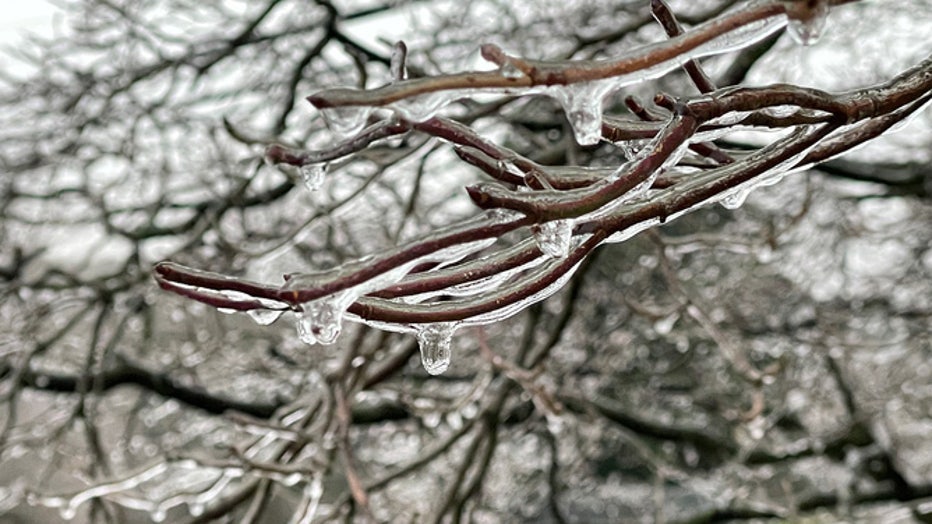
Snow-related outages are most commonly associated with heavy accumulation rather than light snowfall. When snow builds up on power lines, it adds weight that the infrastructure is not always designed to support. This weight increases dramatically when snow becomes wet or mixes with ice, placing additional stress on lines, poles, and supporting hardware.
Trees play a major role in snow-related outages. Snow-laden branches can bend or break, falling onto power lines and causing interruptions. In wooded or suburban areas, this is one of the leading causes of winter outages. Cold temperatures can also make materials more brittle, increasing the likelihood of mechanical failure when stressed.
Snowstorms often cover large areas so that outages can affect many customers simultaneously. Restoration efforts may be slowed by unsafe road conditions, limited access to damaged equipment, and ongoing snowfall that impedes repair work.
How Does Heavy Rain Cause Power Failures?
Rain-related outages tend to occur through different mechanisms. Prolonged or intense rainfall can lead to flooding, which affects underground electrical equipment such as transformers, substations, and conduits. Water intrusion can cause short circuits, corrosion, and safety shutdowns designed to prevent further damage.
Saturated soil is another contributing factor. When the ground becomes overly wet, it loses stability, increasing the risk of utility poles leaning or falling. This is especially common in areas with older infrastructure or poor drainage. Rain can also weaken tree root systems, making trees more likely to topple during even moderate wind events.
Unlike snowstorms, heavy rain events can be localized or widespread depending on weather patterns. Flash flooding may knock out power in specific neighborhoods, while large storm systems can impact entire regions over extended periods.
Comparing Frequency and Severity of Outages
When comparing snow and rain, frequency and severity do not always align. Rain-related outages are more common, especially in regions with frequent storms or seasonal rainfall. However, these outages are often shorter in duration and affect smaller areas.
Snow-related outages tend to be less frequent in many regions, but can be more severe when they occur. Heavy snow and ice storms often result in widespread damage that takes longer to repair. The combination of physical strain on infrastructure and limited access for repair crews can significantly extend restoration times.
Geography plays a critical role in determining which weather event poses a greater risk. Areas with mild winters but frequent storms may experience more rain-related outages, while regions with heavy snowfall are more vulnerable to winter disruptions.
The Role of Wind in Snow and Rain Events
Wind is a critical factor that amplifies the impact of both snow and rain. During snowstorms, wind can cause drifting, increasing the uneven weight on power lines and accelerating tree damage. Blowing snow can also reduce visibility, complicating repair efforts.
In rain events, wind often accompanies thunderstorms or tropical systems. Strong gusts combined with saturated soil significantly increase the likelihood of trees falling onto lines. In many cases, it is not the rain alone but the combination of rain and wind that leads to outages.
This overlap makes it difficult to attribute outages to a single cause. However, wind-driven rain events tend to cause more immediate damage, while snow-related damage often accumulates over time.
How Do Utilities Prepare for Snow and Rain Risks?
Electric utilities take different approaches to mitigating snow and rain risks. In snow-prone regions, utilities focus on reinforcing lines, trimming trees, and using materials designed to withstand cold temperatures and ice accumulation. Preventive maintenance before winter storms is a key strategy.
For rain-related risks, utilities prioritize flood protection, drainage improvements, and equipment sealing. Substations may be elevated or relocated to reduce flood exposure, while underground systems are designed with water-resistant components.
Despite these efforts, no system is immune to extreme weather. Aging infrastructure and increasing weather variability continue to challenge utilities across all regions.
Understanding Risk Before the Lights Go Out
Power outages are shaped by more than just the weather forecast. Snow and rain affect electrical systems in distinct ways, each presenting distinct challenges for utilities and households alike. By understanding these dynamics, it is easier to anticipate which conditions pose the greatest risk in a given area and to prepare accordingly.

