
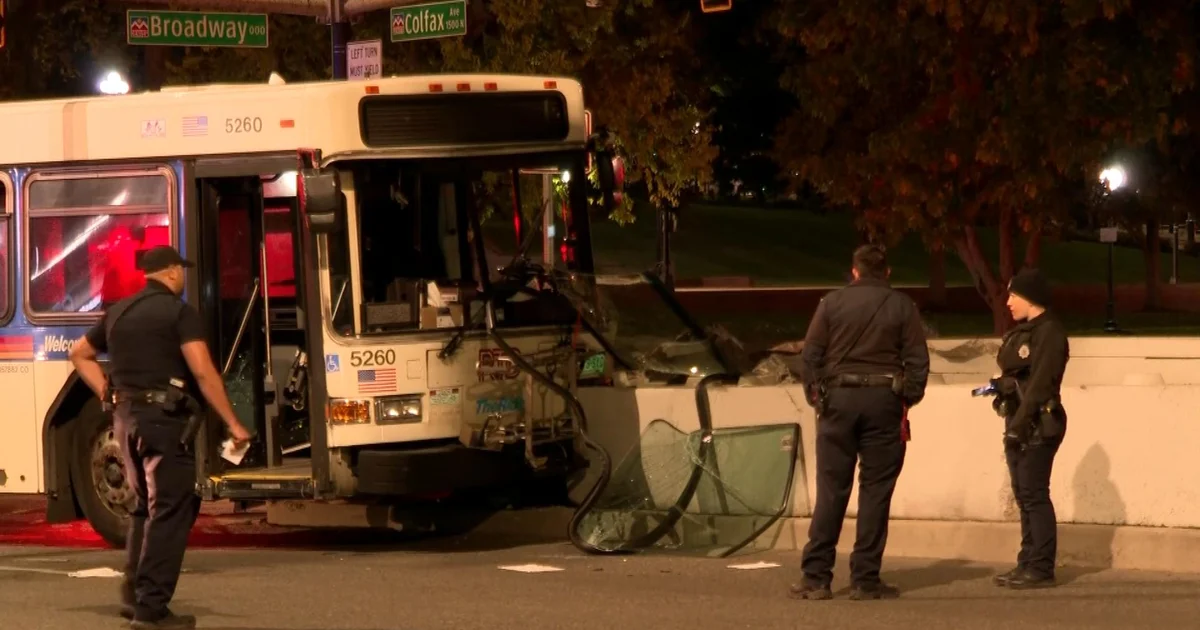
RTD buses carry thousands of riders through Downtown Denver every day, connecting people across the city on routes that run through some of its most active areas. Most rides pass without incident. But when something does go wrong, whether a sudden stop sends a standing passenger stumbling, a collision rattles the vehicle, or a boarding mishap causes a fall, the situation can shift quickly. Knowing what to do in that first hour can protect both your health and your options going forward.
Table of Contents
Stay at the Scene and Check How You Actually Feel
The instinct after any jarring incident is to shake it off and keep moving, especially when you have somewhere to be. That impulse is worth resisting. Adrenaline is reliable at masking pain, and injuries involving the neck, back, or head may feel minor in the immediate moments after impact, even when they are not. Sitting down, taking a breath, and doing a real check of how the body feels is not an overreaction.
Staying at the scene also has a practical dimension. If the incident needs to be officially logged, being present when the operator or transit staff begins that process means your account is part of the record from the start. Leaving before that happens can create gaps that become harder to address later.
Report the Incident and Collect Key Information Before You Leave
Bus operators are generally responsible for logging incidents that occur on board. Let the driver know what happened, calmly and clearly, so the incident is on record. Once the bus reaches a stop and passengers scatter, it can be easy to lose track of those details. If you are unsure what steps to take next, a lawyer who handles Denver bus accident cases can help clarify which options may be available before any decisions are made.
Before leaving the bus or the immediate area, try to collect the following:
- The bus route number and bus ID number, usually displayed near the front of the vehicle
- The operator’s name or badge number, if visible
- The time and general location where the incident occurred
- Contact information from any passengers who witnessed what happened
- A reference number, if transit staff issues one, for the incident report
Use Your Phone to Document the Scene Right Away
Conditions inside an RTD bus change quickly after an incident. Other passengers move, the vehicle continues its route, and anything that may have contributed to the accident, such as a wet floor, a damaged handrail, or a malfunctioning door, can be addressed or altered before anyone has a chance to document it. A few minutes spent photographing the scene before leaving will create a record that cannot be recreated later.
Photograph the interior of the bus, any visible damage, the area where the incident occurred, and any injuries you sustained. If any conditions contributed to the incident, such as standing water or a broken seat, be sure to include those as well. Written notes taken on the same day, while the details are still clear, add another layer to what the photographs show.
Seek a Medical Evaluation the Same Day
Injuries that feel manageable at the scene can develop or worsen in the hours that follow. Soft tissue injuries, concussions, and injuries to the spine often do not announce themselves right away, particularly when the body is still running on adrenaline. Going in for an evaluation on the day of the incident creates a medical record linking your physical condition to what happened.
Delaying that visit, even briefly, creates a gap that could later raise questions about whether any symptoms were actually related to the bus incident. Seeking care the same day removes that uncertainty and allows a medical provider to catch anything that might otherwise go unnoticed until it becomes a bigger problem.
Be Thoughtful About What You Say at the Scene and Afterward
Explaining the basic facts to the operator or transit staff is reasonable. But adrenaline can affect how you feel and what you remember in those first moments, so it’s best to wait on a few things until you have a clearer picture:
- Saying you are fine before you have had a chance to properly assess how you feel
- Speculating about what caused the incident or who was at fault
- Agreeing to anything or signing any documents at the scene
- Posting about the incident on social media before you have a complete picture of what happened
Statements made in the heat of the moment, even casual ones, can carry more weight later than they did at the time. Taking a few hours before discussing the incident publicly is a reasonable precaution.
Track Your Symptoms in the Days That Follow
The first hour after a Regional Transportation District bus accident is important, but the days that follow also matter. Injuries that begin as mild discomfort can worsen as inflammation develops. Sleep disruptions, difficulty concentrating, limited range of motion, and persistent pain are all symptoms that commonly surface after a transit incident rather than immediately at the scene.
Keeping brief daily notes about how you are feeling, which symptoms have appeared or changed, and which medical appointments have taken place builds a timeline that can be useful if questions arise later. Starting that record on the day of the incident and keeping it up consistently is one of the simplest ways for an injured person to support their account of what happened and how it affected them.
2701 Lawrence St Ste 201, Denver, CO 80205
(720) 669-8062

