
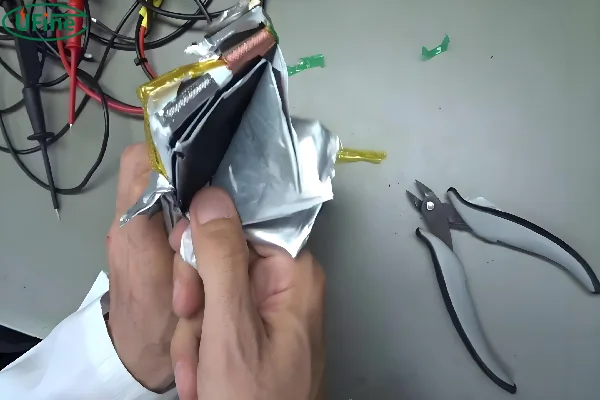
Lithium polymer batteries, often called LiPo batteries, are rechargeable lithium-based batteries used in many modern devices. They are commonly found in smartphones, tablets, laptops, drones, power banks, wearable electronics, medical devices, and other compact equipment that needs lightweight rechargeable power.
From the outside, a lithium polymer battery may look like a thin pouch or sealed battery pack. Inside, however, it contains several important materials and components that work together to store and deliver energy. Understanding what is inside of lithium polymer batteries also helps explain why they must be handled and recycled properly at the end of their life.
Table of Contents
The Main Parts Inside a Lithium Polymer Battery
Lithium polymer batteries are built differently than traditional cylindrical or rigid battery cells. Many LiPo batteries use a soft pouch-style design, which allows them to be thin, lightweight, and shaped for compact electronics.
Inside a typical lithium polymer battery, you may find several key components.
Cathode Material
The cathode is one of the main active materials inside a lithium polymer battery. It is the positive side of the battery during discharge and plays a major role in the battery’s capacity, performance, and chemistry.
Depending on the specific battery, the cathode may contain lithium metal oxides such as lithium cobalt oxide, lithium manganese oxide, or other lithium-ion chemistry blends. These materials help store and release lithium ions as the battery charges and discharges.
Anode Material
The anode is the negative side of the battery during discharge. In many lithium polymer batteries, the anode is commonly made with graphite or a carbon-based material.
During charging, lithium ions move into the anode. During discharge, those ions move back toward the cathode, creating the flow of energy that powers the device.
Polymer Electrolyte or Gel Electrolyte
One of the features that makes lithium polymer batteries different is the electrolyte system. Instead of using only a traditional liquid electrolyte, LiPo batteries use a polymer-based or gel-like electrolyte structure.
The electrolyte allows lithium ions to move between the anode and cathode. This movement is what allows the battery to charge, store energy, and release power when needed.
Separator Layer
A separator is placed between the anode and cathode to prevent the two sides from touching. This is a very important safety feature because direct contact between the anode and cathode can cause a short circuit.
At the same time, the separator allows lithium ions to pass through, so the battery can continue functioning properly.
Current Collectors
Lithium polymer batteries also contain thin metal foils known as current collectors. These usually include copper foil on the anode side and aluminum foil on the cathode side.
These collectors help move electrical current in and out of the battery cell. While they are thin, they are important parts of the battery’s internal structure.
Pouch Casing
Many lithium polymer batteries are enclosed in a flexible pouch casing instead of a hard metal shell. This pouch is usually made from layered plastic and aluminum materials.
The pouch helps protect the internal components while keeping the battery lightweight and compact. However, pouch-style batteries can be more vulnerable to punctures, swelling, and physical damage if handled improperly.
Why Lithium Polymer Batteries Need Proper Recycling
Lithium polymer batteries contain stored energy, metals, chemical materials, and thin internal layers that require responsible handling. If a LiPo battery is crushed, punctured, overheated, swollen, or short-circuited, it may become unstable and create a safety risk.
These batteries should not be placed in regular trash, dumpsters, or mixed recycling bins. They should also not be cut open, taken apart, or stored loosely with exposed terminals.
Proper lithium polymer battery recycling helps reduce fire risks, prevent improper disposal, and recover useful materials such as copper, aluminum, lithium-containing compounds, graphite, and other battery components.
Final Thoughts
Lithium polymer batteries are small, lightweight, and powerful, which is why they are used in so many modern electronics. Inside each battery are cathode materials, graphite anodes, electrolyte systems, separators, current collectors, and pouch-style casing materials that work together to store and deliver rechargeable energy.
Because of their chemistry and stored energy, lithium polymer batteries should always be handled carefully and recycled through the proper channels. For businesses, schools, repair shops, warehouses, and organizations that manage used electronics, proper LiPo battery recycling is an important part of safer and more responsible battery waste management.

