
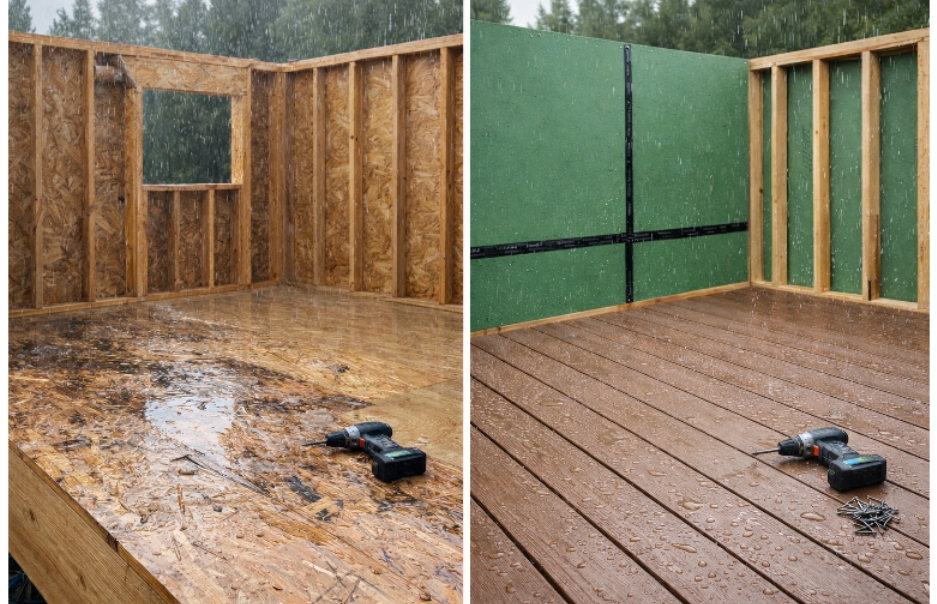
Australian construction sites encounter their most significant challenges when construction work happens in areas that experience continuous rain or high humidity conditions. Different construction materials experience water damage in various locations, which include coastal areas and regions with heavy rainfall, and locations that have high indoor humidity.
The initial decision-making process determines whether moisture will cause swelling and warping, create conditions for mould growth, and result in permanent structural damage. The present-day builders need to understand material performance because it serves as the foundation for their construction work, notes Brookville Property Management.
Builders and contractors can achieve better durability results by using moisture-resistant products that they purchase from an Australian plywood manufacturer. Before beginning their work in wet conditions, builders need to learn all the essential information about project execution.
Table of Contents
Why Wet Environments Are a Big Deal in Construction
Water acts as the main destructive element that damages construction materials. Moisture contact with surfaces will lead to gradual damage, which affects walls and floors and all building structural elements. Humid environments expose materials to constant water contact through various sources, including rain and humidity, plumbing leaks, and ground moisture.
The material needs to be tested for its ability to withstand moisture exposure, which will happen over extended time periods. The material should be rejected when its suitability remains uncertain. An experienced plywood manufacturer who plans for moisture early will save both time and money and avoid repair expenses that they would need to spend on future costs.
Key Problems Caused by Moisture
Moisture will cause multiple problems for materials that designers use in creating wet-weather applications. Wood swelling, surface peeling, strength loss, and mould development represent the most typical problems that occur from this situation. The structural problems lead to indoor air quality problems, which affect breathing.
Builders face increased chances of returning work because their clients become unsatisfied while their maintenance expenses continue to rise. The project will achieve better results when construction teams select moisture-resistant products that come from approved manufacturers.
Choosing the Right Materials for Wet Conditions
Various materials display different performance characteristics when used in damp environments. The treated timber, marine-grade plywood, and moisture-resistant boards have been engineered to provide superior water protection compared to regular building materials.
The best plywood manufacturer provides expertise to ensure that their plywood product meets both Australian standards and the requirements of Australian climate conditions. The combination of strong adhesive bonding and moisture protection treatment makes quality plywood suitable for use in bathrooms and kitchens, exterior walls, and flooring systems.
Best Practices Builders Should Follow
Construction workers need to verify product ratings together with installation procedures and sealing requirements. The performance of a system depends on the installation of proper ventilation and waterproof membranes and the correct storage of materials on the construction site. A material can be the best, but not perform well due to improper installation. The correct use of best practices will maintain material performance for multiple years.
Summary
Designers need to choose advanced materials for wet environments because these materials need to be integrated into their design work. Builders who understand how moisture affects performance can create structures that endure for longer periods. Projects use moisture-proof materials together with a certified manufacturer to protect their assets from expensive damage. Building smart in wet conditions leads to better project outcomes, which create client satisfaction and help construction companies build their reputation in the Australian market!

