
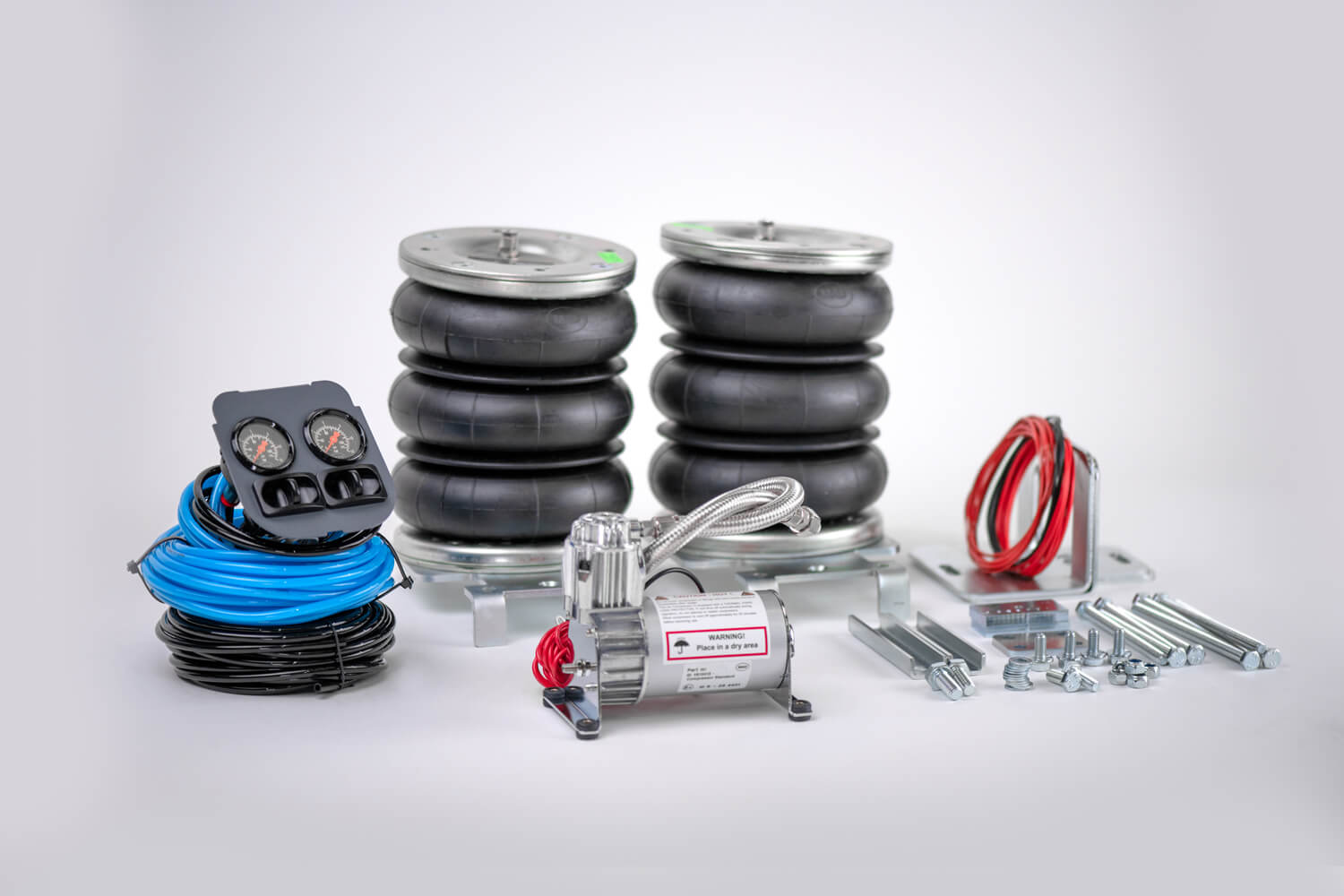
Why Your Van Deserves an Air Suspension Upgrade
Do you own a van? Then you know this feeling. You load it with work tools, camping gear, or people. The back end sags down. Every bump feels harsh. The handling feels less stable. A good air suspension kit solves these problems. It changes how your van performs and feels.
Key Takeaways
- Improved Comfort: Air suspension absorbs bumps better than stock springs. This creates a smoother ride.
- Better Load Support: It stops rear-end sag when your van is loaded. This improves safety and stability.
- Adjustable Ride Height: You can raise your van for more ground clearance. Or lower it for easier access and a custom look.
- Making the Right Choice: Your choice depends on how you use your van. Is it for camping, work, or daily driving?
- Proper Installation is Key: Avoiding mistakes during setup helps the system last longer. It also keeps it working safely.
What is a van air-ride system?
A van air-ride system replaces or helps your van’s factory metal springs. These are leaf springs or coil springs. The system uses tough rubber and plastic bags called air springs. A compressor fills these bags with air. The air pressure lets you control the vehicle’s height and stiffness.
The Top 3 Reasons to Switch
- Unmatched Ride Comfort: An air suspension kit makes your van ride like a luxury car. It soaks up bumps, potholes, and rough road patches. You and your passengers get a much smoother experience.
- Superior Load Support: Heavy loads are no longer a problem. A van air-ride system keeps your vehicle level. This keeps your headlights aimed right. It improves steering control. It also reduces braking distances.
- On-Demand Adjustability: Push a button to change your van’s ride height. Raise it for rough campsite roads. Lower it for a sleek look at a show. Stock suspension cannot offer this flexibility.
How an Air Suspension Kit Works: The Core Components
Understanding how an air suspension kit works is simple. Break it down into four main parts. Think of it like a team. Each member has a specific job.
A visual graphic would show how these parts connect. The compressor sends air to the tank. The tank holds the air. The controller tells the valves to send air from the tank to the air springs. This lifts the vehicle.
Air Springs (or Air Bags)
These are the muscles of the system. Air springs are tough, flexible bags. They are made of rubber and reinforced materials. They replace your stock springs. They lift the vehicle when filled with air.
The Air Compressor
This is the heart of the system. The compressor is an electric pump. It draws outside air and pressurizes it. Then it sends air to the tank. It generates the power for your van air-ride system.
The Air Tank
The air tank acts as the lungs. It stores the pressurized air from the compressor. This stored air allows for quick changes. You don’t have to wait for the compressor to run every time.
The Management System
This is the brain. The management system includes controllers, valves, and air lines. It directs air flow from the tank to the air springs. This lets you inflate or deflate them. You can change your ride height.
Air Suspension vs. Stock Suspension: A Head-to-Head Comparison
Is an air suspension kit truly better than the factory setup? For many van owners, the answer is yes. But it’s important to see how they compare in key areas.
| Feature | Air Suspension | Stock Suspension (Leafs/Coils) |
| Ride Quality | Excellent; very smooth and controlled. | Fair to Good; can be harsh when loaded or unloaded. |
| Load Handling | Excellent; keeps vehicle level under any load. | Poor to Fair; sags under heavy loads. |
| Adjustability | High; on-the-fly height and stiffness changes. | None; fixed height and stiffness. |
| Cost | Higher initial investment. | Low; included with the vehicle. |
| Maintenance | Minimal; periodic checks for leaks and moisture. | Very low; generally maintenance-free. |
| Complexity | More complex; has electrical and air components. | Very simple; purely mechanical. |
Is an Air Suspension Kit Right for YOUR Van? A Practical Checklist
Deciding to upgrade can be tough. Use this checklist to see if a new system fits your needs. As experts who have installed these systems on many vans, we can help you decide.
Are you a Camper Van Enthusiast?
If you use your van for camping, an air suspension kit is a game-changer. We once spent a week on a cross-country trip. The ability to level our van at uneven campsites was a lifesaver. No more sleeping at an angle. Plus, you can raise the suspension for better clearance. This helps on dirt roads leading to remote spots.
Do you use your van for heavy work or towing?
For tradespeople and anyone who tows, a sagging rear suspension is a safety hazard. We’ve seen work vans loaded with tools and materials. They improved their handling a lot with a van air-ride system. It keeps the van level. This ensures your brakes and steering work as they should. Even with a heavy trailer attached.
Is ride comfort your top priority?
Maybe you use your van as a daily driver. Or for long family road trips. If so, comfort is key. A stock van suspension is often stiff and bumpy. An air suspension upgrade smooths out the ride so much. Long hours behind the wheel become far less tiring.
Do you want a custom look and stance?
For some owners, style is just as important as function. An air suspension kit gives you complete control over your van’s stance. You can achieve that perfect, slammed look for a car show. Then raise it back to a practical height for driving home.
How to Choose the Right Van Air-Ride Kit
Once you’ve decided to upgrade, the next step is choosing the right system. With many options available in 2026, it’s important to know what to look for.
Complete Kits vs. Individual Components
For most people, especially DIY installers, a complete kit is the best choice. These kits bundle all the necessary parts together. This ensures they are all compatible. Piecing a kit together can sometimes save money. But it requires more knowledge. Many brands offer different tiers of kits. Seeing some examples of all-in-one packages can help you understand what’s typically included.
Key Factors to Consider
- Vehicle Compatibility: This is the most important factor. Make sure the kit is designed for your van’s make, model, and year. A generic kit will cause installation headaches.
- Load Capacity: Consider how much weight you typically carry. Helper spring kits are great for light to medium loads. Full replacement systems are better for very heavy-duty use.
- Management System: Do you want simple, manual control with paddle valves? Or a sophisticated digital controller with presets? Digital systems offer more convenience. But they come at a higher cost.
Finding a Quality Supplier
When you’re ready to explore options, looking at a complete air suspension kit from a reputable source is the best next step. This ensures all components are designed to work together seamlessly.
Installation and Maintenance: 5 Common Mistakes to Avoid
Installing an air suspension kit can be a rewarding DIY project. But mistakes can be costly. From our experience, here are the five most common errors we see. And how to prevent them.
Mistake # 1: Not Checking for Leaks Properly.
A slow leak is the most common issue after an install. Don’t just listen for hissing. The best way to find leaks is to spray all air line fittings with soapy water. If you see bubbles forming, you have a leak. It needs to be fixed.
Mistake # 2: Running Air Lines Near Heat or Sharp Edges.
We’ve seen countless air lines fail. This happens when they were routed too close to an exhaust pipe. Or against a sharp metal edge on the frame. Always secure air lines away from heat sources. Use rubber grommets when passing lines through holes.
Mistake # 3: Incorrectly Wiring the Compressor.
The compressor draws a lot of power. It must be wired directly to the battery. Use the correct gauge wire and an inline fuse. Improper wiring is a fire hazard. It can cause the compressor to fail.
Mistake # 4: Neglecting to Drain the Air Tank.
Air from the compressor contains moisture. This collects in the tank. If not drained, this water can cause the tank to rust from the inside. It can damage your valves. Drain your tank every few months.
Mistake # 5: Setting Ride Height Too Low or Too High.
Driving constantly at the lowest or highest setting wears out parts quickly. This affects suspension components and tires. Find a practical daily driving height. This keeps your alignment in check. Proper setup is crucial for longevity. Good air suspension management systems help prevent many of these issues.
The Final Verdict: Elevate Your Drive
An air suspension kit is more than an accessory. It’s a core upgrade that transforms how your van drives, works, and feels. It offers a unique combination of comfort, load-handling capability, and adjustable style. No other suspension can match this. By choosing the right system and installing it correctly, you unlock a new level of performance. Ensuring you source your components from a trusted specialist like Retrue guarantees quality and support for your project.
Frequently Asked Questions (FAQ)
How much does an air suspension kit for a van cost?
Answer: Costs in 2026 vary widely. Simple helper kits for load support can start around a few hundred dollars. Comprehensive, electronically controlled systems with digital management can cost several thousand dollars. This depends on the brand and features.
Can I install a van air-ride system myself?
Answer: Yes, many kits are designed for DIY installation. If you have good mechanical skills, common tools, and can follow instructions, you can install a system over a weekend. However, if you are not comfortable with wiring or modifying your suspension, professional installation is recommended.
How long does an air suspension system last?
Answer: A quality system from a top brand should last for many years. With proper maintenance, air springs often last 80,000 to 100,000 miles or more. The lifespan depends on your driving habits, climate, and how well you perform basic maintenance.
Does air suspension require a lot of maintenance?
Answer: No, the maintenance is quite simple. The main tasks are to periodically drain moisture from the air tank. Check for air leaks using soapy water. Visually inspect the air bags and lines for any signs of wear, cracking, or damage.
Will an air suspension kit improve my van’s towing capacity?
Answer: This is a common misconception. An air suspension kit does not legally increase your van’s gross vehicle weight rating (GVWR) or towing capacity. What it does is dramatically improve stability, control, and safety while towing up to your vehicle’s rated limit. It does this by eliminating sag and keeping the van level.

