
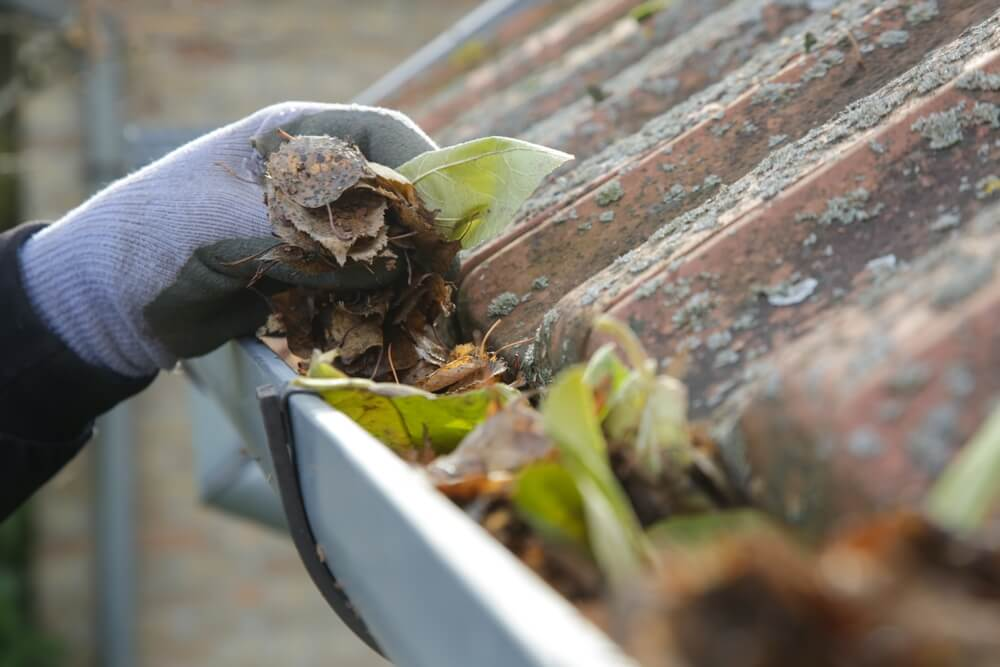
Greenville, South Carolina, is a city defined by its lush landscapes and vibrant seasons. From the blooming azaleas of spring to the stunning fall foliage that blankets the Reedy River, our environment is beautiful but demanding. For homeowners, that beauty comes with a specific set of chores, none more critical yet frequently overlooked than maintaining the channels that guide water away from your foundation. When the heavy Appalachian rains roll in, your home’s primary defense isn’t just the roof—it’s the gutter system.
Neglecting these vital pathways can lead to a cascade of structural issues. In the humid subtropical climate of the Upstate, moisture is both a blessing for our gardens and a curse for our soffits. Understanding the nuances of property care in this region requires more than a ladder; it requires a strategy.
Table of Contents
The High Cost of the “Out of Sight, Out of Mind” Mentality
It is easy to ignore gutters because they perform their job quietly—until they don’t. When debris accumulates, it creates a dam. During a typical South Carolina downpour, a standard roof can shed thousands of gallons of water. If that water has nowhere to go, it overflows, saturating the ground directly next to your home’s foundation.
The implications of this failure are far-reaching. Hydrostatic pressure can build up against basement walls or crawl spaces, leading to cracks, leaks, and the inevitable growth of mold. Furthermore, trapped water in gutters becomes a heavy burden. A gallon of water weighs approximately 8.34 pounds; when you add the weight of wet leaves and sludge, the stress on your fascia boards can cause the entire system to pull away from the house, leading to expensive wood rot.
Why Greenville’s Tree Canopy Changes the Maintenance Equation
Greenville is consistently ranked as one of the “tree-iest” cities in the country. While our massive oaks and maples provide shade and curb appeal, they are relentless contributors to gutter clogs. Unlike arid regions where a yearly check-up might suffice, the Upstate requires a more proactive approach.
- Pollen Season: In the spring, the yellow haze of pine pollen isn’t just an allergy trigger; it mixes with rain to create a thick, cement-like paste in your downspouts.
- Summer Storms: Rapid-fire thunderstorms can dump inches of rain in under an hour, instantly overwhelming partially blocked systems.
- The Autumn Drop: The deciduous trees that make the Blue Ridge foothills famous will fill a clean gutter in a matter of days during peak shedding.
Given these factors, gutter cleaning Greenville SC is not a luxury; it is a fundamental component of home longevity. Experts suggest that homes in heavily wooded neighborhoods like North Main or Augusta Road may even require service three to four times a year to remain fully functional.
The Hidden Impact of Clogged Gutters on Pest Control
Pest management professionals often point to gutters as the “highway” for infestations. Stagnant water and decomposing organic matter create a literal breeding ground for mosquitoes, which are a persistent nuisance in the South. Beyond insects, the debris provides nesting material for rodents and birds.
According to a study by the National Center for Healthy Housing, moisture control is the single most effective way to prevent structural pest issues. When gutters remain damp, they soften the wood of the roofline, making it easier for squirrels and carpenter ants to bore into your attic. By keeping these channels clear, you are effectively removing the “welcome mat” for unwanted visitors.
Safety and the DIY Dilemma
Every year, thousands of injuries occur due to ladder falls. Gutter maintenance is inherently risky, involving heights, uneven terrain, and often slick surfaces. For the average homeowner, the physical toll and the risk of injury often outweigh the cost of professional intervention.
- Equipment Matters: Professional crews use specialized stabilizers and high-powered vacuums or blowers that allow them to work more safely and efficiently than someone on a standard A-frame ladder.
- Structural Inspection: A trained eye doesn’t just see the leaves; they see the loose bracket, the leaking seam, or the beginning stages of fascia rot that a homeowner might miss.
- Debris Disposal: Cleaning the gutters is only half the battle. Professionals handle the removal of the “muck,” ensuring it doesn’t just end up scattered across your landscaping or driveway.
The Connection Between Gutters and Landscaping Integrity
Your landscaping is a significant investment. In Greenville, many homeowners spend thousands on grading and drainage solutions to keep their yards pristine. However, a single clogged downspout can negate all that work. When water overshoots the gutter, it creates “trenching”—deep grooves in your mulch or soil. This not only ruins the aesthetic of your flower beds but can also drown delicate root systems of expensive ornamental plants.
Properly functioning gutters ensure that water is directed to splash blocks or underground drains, preserving the “envelope” of your home and the health of your lawn. Beyond aesthetics, proper drainage prevents stagnant pools that become breeding grounds for pests, a common concern discussed by Greenville SC healthcare providers regarding community wellness and mosquito-borne illness.
Evaluating Gutter Guards: Solution or Scapegoat?
Many homeowners turn to gutter guards as a “permanent” solution. While high-quality stainless steel micro-mesh guards can significantly reduce the frequency of cleaning, they are not maintenance-free. Fine debris, shingle grit, and that famous South Carolina pollen can still find their way through or settle on top of the guards, eventually causing water to “sheet” over the top rather than entering the gutter.
If you choose to install guards, it is essential to view them as a filter that needs occasional rinsing rather than a “set it and forget it” fix. Even with guards, a periodic professional inspection is recommended to ensure the downspouts remain clear of internal obstructions.
Conclusion
Taking care of your home in the Upstate means respecting the power of our local climate. The beauty of our rainfall and our forests requires a diligent response to ensure that water remains a resource for our gardens rather than a threat to our foundations. By prioritizing regular maintenance and understanding the specific environmental pressures of the region, you can protect your property’s value and your own peace of mind. A clear gutter is more than just a clean trough; it is a commitment to the structural integrity and health of your home.
Frequently Asked Questions
How often should I have my gutters cleaned in Greenville, SC?
Due to the high volume of trees and the distinct four-season climate, most homes in the area require cleaning at least twice a year—once in late spring after the pollen and seed pods have fallen, and once in late fall after the leaves are down. Homes with heavy pine or oak overhangs may need quarterly service.
Can clogged gutters cause foundation damage?
Absolutely. When water overflows from gutters, it pools at the base of your home. Over time, this saturates the soil, causing it to expand and contract, which can lead to foundation cracks, basement flooding, and structural shifting.
Is it worth getting professional gutter cleaning if I have a one-story home?
Even on a one-story home, the risks of ladder accidents are high. Professionals also provide a level of thoroughness—cleaning out the downspouts and checking for minor repairs—that ensures the system works perfectly, which is often difficult to achieve with DIY methods.
What are the signs that my gutters need immediate attention?
Look for “tiger striping” (dark streaks on the outside of the gutters), water dripping from seams during rain, birds or squirrels frequenting the roofline, or plants literally growing out of the gutter troughs.
Does gutter cleaning include the downspouts?
A comprehensive professional service should always include a “flush” or a check of the downspouts. A clean gutter is useless if the vertical pipe is clogged at the elbow, as water will simply back up and overflow.

