

Table of Contents
Key Takeaways
- Emotional intelligence (EI) enables businesses to build deeper, more authentic relationships with customers.
- Developing EI in customer-facing teams leads to higher satisfaction, loyalty, and retention.
- Emotionally intelligent communication helps reduce conflict and strengthen trust.
- Organizations that invest in EI training gain a measurable competitive edge in customer experience.
- Partnering with experts in EI integration, such as contact centers specializing in personalized engagement, ensures consistent, emotionally aware service delivery.
Introduction
Fostering long-term bonds in today’s competitive market means more than just delivering on your products or services—successful businesses increasingly emphasize the importance of emotional connections. Companies that set themselves apart focus on the human element of customer engagement—particularly through emotional intelligence (EI). Emotional intelligence is the ability to perceive, understand, and manage emotions, both in oneself and others, and leveraging this capacity in customer-facing roles creates a tremendous competitive advantage. Developing emotional intelligence within teams enables organizations to understand, connect with, and serve customers at a human level. As customers become more discerning and expect brands to be not only responsive but also relatable, cultivating EI ensures that every interaction feels genuine and personalized. Whether it’s recognizing a customer’s frustration during a challenging moment or celebrating their loyalty after a long partnership, companies with a high EI culture see marked improvements in customer satisfaction, loyalty, and retention. For organizations seeking to personalize every interaction and consistently exceed expectations, taking EI from theory to practice is key—and partnering with a skilled provider like Advensus contact center offers a path to fully integrating emotional intelligence into daily customer engagement.
Emotional intelligence involves not only managing your own emotions but also intuitively understanding and responding to the emotions of others, such as customers. This multifaceted capability serves as a cornerstone for building meaningful, lasting customer relationships in a market where experience reigns supreme. The companies that stand out are those equipped to recognize not just what customers are saying, but also how they are feeling—an element that drives stronger connections and inspires loyalty.
Understanding Emotional Intelligence
Emotional intelligence is defined as the ability to recognize, understand, and influence the emotions of oneself and others. Daniel Goleman, a renowned psychologist, identifies five critical aspects of EI: self-awareness, self-regulation, motivation, empathy, and social skills. Self-awareness enables individuals to recognize their emotional states and understand how these responses may impact others during customer interactions. Self-regulation enables employees to remain composed and respond constructively, even when customers are upset or situations become tense. Motivation refers to the inner drive employees have to continuously improve and provide excellent service, while empathy is crucial for perceiving and validating the emotions of clients. Ultimately, strong social skills empower team members to communicate effectively, manage conflicts, and collaborate more efficiently. When an organization prioritizes these dimensions, the workforce becomes adept at forging authentic customer connections and creating positive brand experiences that go beyond transactional relationships.
Impact of EI on Customer Satisfaction
When employees exhibit high emotional intelligence, they become adept at quickly noticing and addressing signs of customer frustration, confusion, or concern. This sensitivity allows them to intervene before issues escalate, often turning potentially negative interactions into positive, memorable experiences. Rather than reacting with scripts or predetermined solutions, emotionally intelligent employees can adapt their responses to meet the customer’s emotional state, making each interaction feel personal and valued. Customers who feel truly heard and understood are far likelier to remain loyal, advocate for your brand, and provide valuable feedback that can drive continuous improvement. According to research published in the Harvard Business Review, EI has become one of the most important leadership and service skills for building trust with customers. Trust, in turn, fuels increased satisfaction, strengthens long-term brand relationships, and provides the foundation for lasting partnerships between companies and the people they serve.
Enhancing Communication Through EI
Effective communication with customers extends far beyond the words spoken during a conversation—nonverbal cues, such as facial expressions, body language, and tone of voice, often reveal much more than the surface meaning of the words themselves. In today’s digital age, even written communication requires a nuanced approach, as tone and intention can be easily misinterpreted. Team members with high EI can accurately interpret these subtle cues, whether it’s picking up on stress in a customer’s voice over the phone or recognizing impatience in a chat message. By adjusting their communication style and echoing customer sentiments, emotionally intelligent representatives deliver an experience that feels truly tailored to each individual’s needs. They’re skilled at using positive language and empathetic listening techniques, ensuring each customer walks away feeling supported and understood. This communication adaptability is crucial to fostering strong customer relationships and minimizing misunderstandings or friction during complex or emotionally charged interactions.
EI in Conflict Resolution
Occasional misunderstandings, complaints, and disputes are inevitable in customer service environments. High-pressure situations can quickly lead to frustration on both sides of an interaction. Employees with high EI recognize the emotional undercurrents in these conflicts and can approach them with empathy and composure. Rather than reacting defensively or with frustration, emotionally intelligent employees listen carefully, validate the customer’s concerns, and seek to defuse tensions through calm, thoughtful responses. This approach opens the door to collaborative problem-solving and demonstrates genuine respect for the customer’s viewpoint while protecting the business’s reputation and policies. Research from the American Psychological Association highlights how emotional intelligence not only fosters conflict resolution but also promotes long-term customer trust, as clients are more likely to return after a problem is successfully and empathetically addressed.
Training Employees in Emotional Intelligence
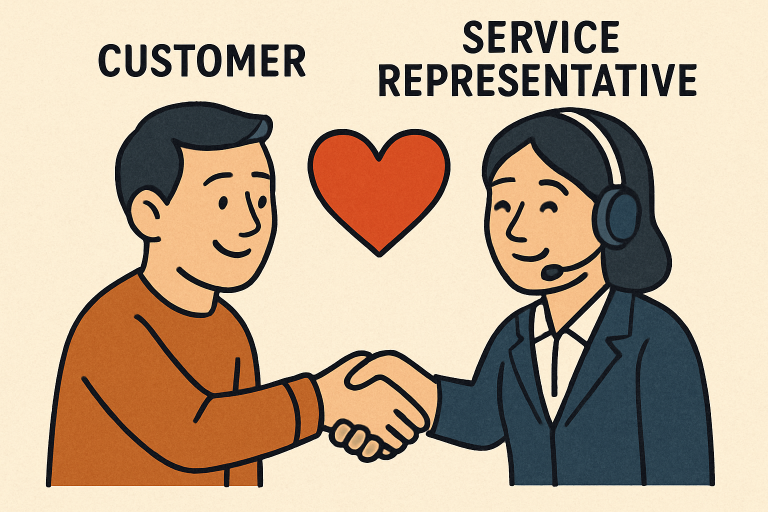
Successful organizations view EI as a teachable skill and invest in regular, structured training for their teams at all levels. Workshops may cover real-world scenarios that help employees practice responding to challenging customers, while simulations allow staff to role-play and receive real-time feedback. Training activities can also focus on developing greater self-awareness with mindfulness exercises or teaching strategies for active listening and perspective-taking. These programs reinforce the importance of treating every customer interaction as unique, and equip staff with strategies for navigating the emotional dynamics of those encounters. As a result, organizations that prioritize EI training see measurable improvements in service quality, increased customer loyalty, and a decline in negative interactions or complaints over time.
Measuring the Impact of EI on Customer Relationships
Monitoring the effectiveness of EI-focused initiatives is essential for ensuring continuous improvement and maintaining high standards of service. Businesses utilize a range of tools to evaluate the impact of emotionally intelligent teams, including post-interaction surveys, Net Promoter Scores (NPS), Customer Satisfaction Scores (CSAT), and customer retention rates. Analyzing these metrics allows managers to identify patterns and trends related to EI competencies, pinpointing areas of strength as well as opportunities for additional training. Companies often discover that investing in EI development correlates directly with increased customer happiness, stronger loyalty, and more enthusiastic referrals. In turn, positive word of mouth and improved reputational standing further enhance the impact of emotionally intelligent practices, helping organizations build their brand and achieve long-term success.
Final Thoughts
Emotional intelligence stands as a critical differentiator in today’s service-driven landscape. By developing EI among employees, companies can foster open communication, resolve challenges with empathy, and nurture relationships built on trust, respect, and genuine understanding. Integrating emotional intelligence into everyday business practices helps organizations not only meet but exceed customer expectations, creating a foundation for continued growth and loyalty. Ultimately, in an age where customers have an abundance of choices, those businesses that prioritize the human side of service will thrive.

