
Table of Contents
The Relationship Between Mental and Physical Health
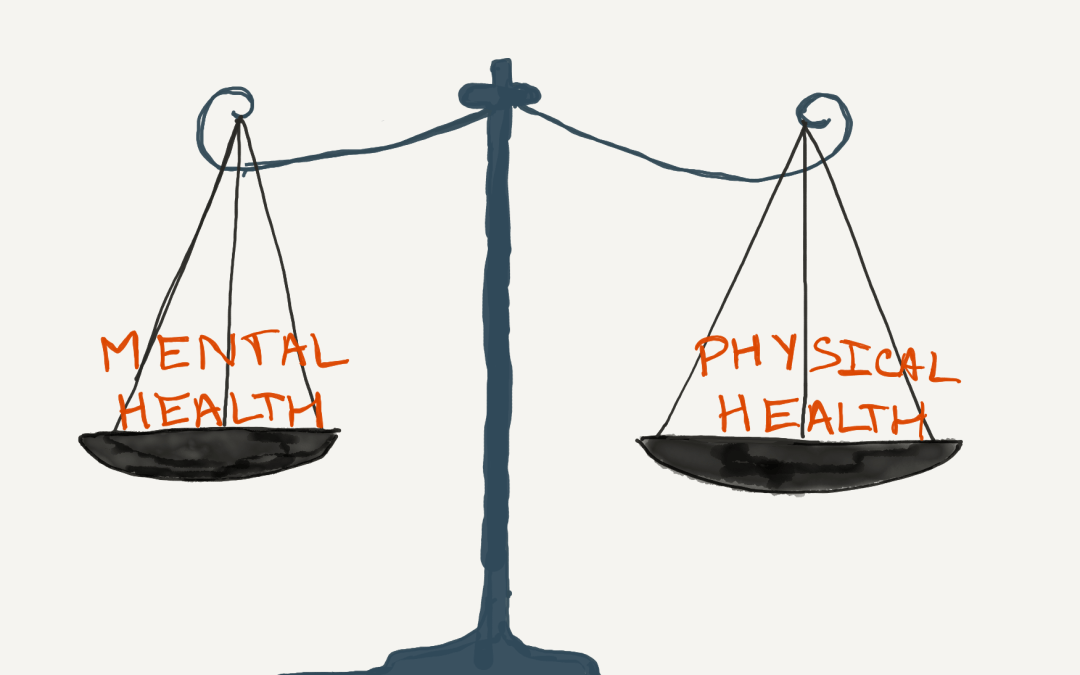
Mental health and physical health are often discussed separately, but in reality, they are deeply connected. The way we think, feel, and manage stress can directly affect our physical well-being, while our physical condition can significantly influence our emotional health. Understanding this relationship is essential for living a healthier, more balanced life.
One out of every five adults in the United States experience mental illness, highlighting the growing importance of addressing mental well-being as part of overall health. This statistic reinforces the need to view health as a combination of both mind and body rather than treating them as separate concerns.
How Mental Health Affects Physical Health
Mental health plays a vital role in how the body functions. Chronic stress, anxiety, and depression can increase inflammation, weaken the immune system, and raise the risk of conditions such as heart disease, diabetes, and high blood pressure.
For example, someone dealing with ongoing stress may experience poor sleep, unhealthy eating habits, or lack of physical activity. Over time, these behaviors can contribute to serious health problems. Practicing stress management, maintaining emotional balance, and seeking support when needed can reduce these risks and improve overall quality of life.
The Impact of Physical Health on Mental Well-Being
The connection also works in the opposite direction. Regular exercise, nutritious meals, and quality sleep have been shown to improve mood and reduce symptoms of anxiety and depression.
Exercise as a Natural Mood Booster
Physical activity triggers the release of endorphins, often called the body’s “feel-good” chemicals. Even a 30-minute walk several days a week can improve mental clarity, reduce stress, and increase energy levels.
Nutrition and Brain Health
A balanced diet rich in fruits, vegetables, whole grains, and healthy fats supports brain function. Nutrients such as omega-3 fatty acids, vitamin D, and B vitamins are associated with better cognitive performance and emotional well-being.
Building Healthy Habits That Support Both Mind and Body
Small, consistent lifestyle changes often produce the greatest long-term benefits. Prioritizing sleep, staying physically active, maintaining social connections, regular check-ups, and practicing mindfulness can strengthen both mental and physical resilience.
Community support also plays an important role in improving health, especially for those who live in poverty. Organizations like Transparent Hands Foundation help improve access to healthcare for underserved communities, which means more families are able to have better mental and physical health.
Why an Integrated Approach Matters
Healthcare professionals increasingly recognize that treating physical symptoms alone is not enough when the patient is also facing other issues. Addressing emotional health alongside physical conditions often leads to better treatment outcomes, faster recovery, and improved long-term wellness.
Whether someone is managing a chronic illness or simply working toward a healthier lifestyle, caring for both the mind and body should be a priority.
People looking to make a meaningful difference can donate from USA to support access to life-saving surgical and medical treatments, helping individuals receive the care they need while strengthening healthier communities.
Conclusion
The connection between mental health and physical health is stronger than many people realize. Healthy habits benefit both the brain and the body, while neglecting one often affects the other. By exercising regularly, eating nutritious foods, managing stress, and seeking support when necessary, individuals can improve their overall well-being. Taking care of your mental health is not separate from taking care of your physical health—it is one of the most important investments you can make for a healthier future.

