
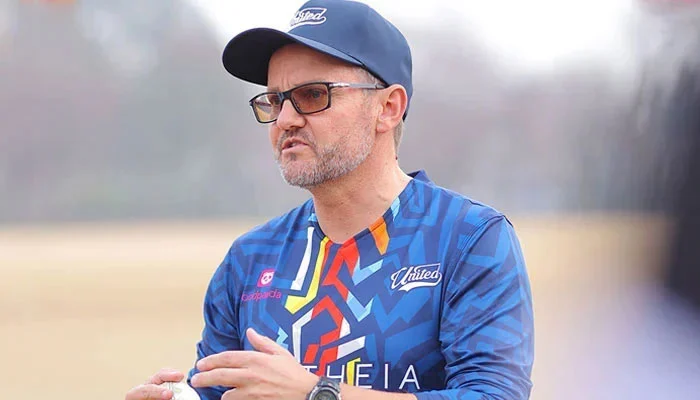
The image of a cricket coach standing at the boundary with arms folded, occasionally shouting instructions, belongs to a different era. Today’s elite cricket coaches are part tactician, part psychologist, part data analyst, and part man-manager. The role has evolved beyond recognition, driven by the demands of multiple formats, the explosion of analytics, and a deeper understanding of how elite performance is cultivated and sustained.
This evolution reflects broader changes in professional sport, but cricket’s unique characteristics — its multi-format structure, its extended tours, and its deeply personal contest between bat and ball — have created coaching challenges that are distinctly its own.
Table of Contents
From Technical Drills to Holistic Development
Traditional cricket coaching was overwhelmingly focused on technique. Batting coaches drilled the forward defensive and the cover drive. Bowling coaches emphasised the mechanics of the bowling action. Fielding was often an afterthought, addressed through catching practice rather than structured athletic development.
Modern coaching takes a far more holistic approach. Physical conditioning, mental resilience, tactical awareness, and decision-making under pressure are all integrated into coaching programmes. The best coaches understand that a technically perfect batter who cannot handle the psychological pressure of a T20 final is incomplete — and that a bowler with a textbook action who cannot adapt their plans to match situations is equally limited.
The Influence of Franchise Cricket on Coaching
Franchise cricket has accelerated coaching evolution by compressing timelines and raising stakes. In a two-month T20 league, coaches don’t have the luxury of long-term development plans. They must quickly assess players’ strengths, build tactical frameworks, and create environments where diverse squads — often comprising players from six or seven different countries — can perform together immediately.
This has produced a new breed of coach who excels at rapid team-building, clear communication across cultural boundaries, and the ability to process and implement data-driven insights in real time. Coaches like Stephen Fleming, Tom Moody, and Andy Flower have built reputations not just for their cricket knowledge but for their ability to manage complex, multicultural environments under pressure.
Data-Informed Coaching
The availability of detailed performance data has transformed how coaches prepare for opponents and develop their own players. Ball-tracking data, wagon wheels, phase-specific scoring rates, and matchup statistics are now standard tools in a coach’s arsenal.
However, the best coaches use data to inform rather than dictate their approach. As explored by various sources offering cricket editorial and analysis platform, the most effective coaching relationships are built on trust and communication — where data enhances the conversation between coach and player rather than replacing it. A coach who presents a batter with data showing a weakness against short-pitched bowling on the off side is starting a dialogue, not issuing an instruction.
The Specialisation of Coaching Roles
Modern cricket teams employ multiple specialist coaches — batting, bowling, fielding, wicketkeeping, spin, and strength and conditioning coaches are all common. Some teams also employ specialist coaches for specific formats or phases of play, reflecting the increasing tactical complexity of the sport.
This specialisation has improved the depth of coaching expertise available to players but has also created coordination challenges. According to ECB coaching pathways, ensuring that multiple coaching voices deliver consistent messages requires strong leadership from the head coach and clear role definitions within the support staff.
Developing the Next Generation of Coaches
One of cricket’s ongoing challenges is developing coaches who reflect the sport’s global diversity. Coaching pathways in many countries remain limited, and the financial barriers to obtaining coaching qualifications can exclude talented individuals from less wealthy nations.
Organisations like Cricket Australia development have invested in coach education programmes that aim to broaden the talent pool, but more work is needed. The next generation of great cricket coaches may come from associate nations, from women’s cricket, or from backgrounds outside traditional cricket pathways — but only if the sport creates opportunities for them to develop their skills and gain experience at the highest levels.
About the Author
This article is a guest contribution. The views expressed are those of the author and do not necessarily reflect the editorial position of the host publication.

