
The creative landscape has undergone a radical transformation over the last few years. Traditionally, digital artists struggled to monetize their work because digital files could be infinitely copied and shared without any loss of quality. This made it difficult to establish true ownership or scarcity. However, the emergence of the Non-Fungible Token has changed the game entirely. For modern entrepreneurs, this intersection of art and technology represents a massive opportunity to rethink value in the digital age.
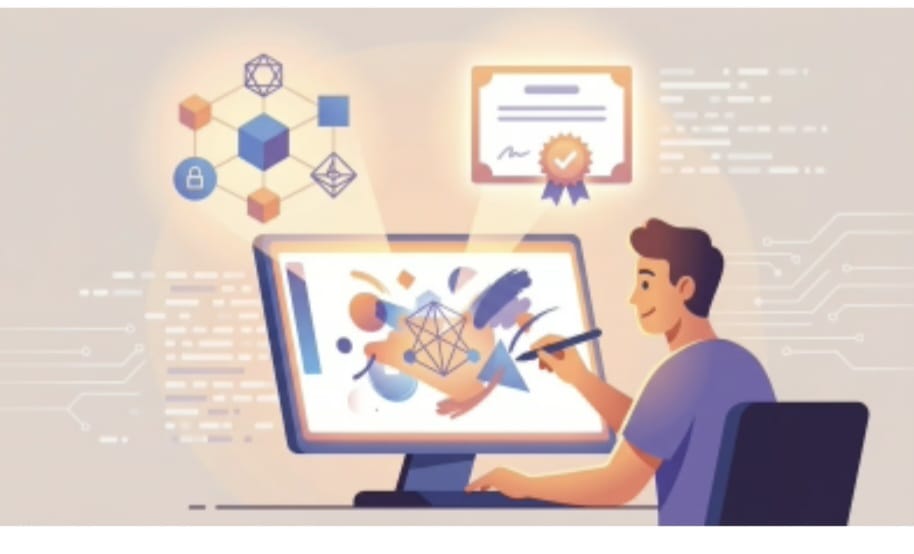
At its core, a non-fungible token is a unique digital identifier that cannot be copied, substituted, or subdivided. It is recorded on a blockchain and used to certify authenticity and ownership. This technology allows digital creators to mint their work, effectively turning a JPEG, video, or music file into a one-of-a-kind asset. For an entrepreneur, this means that digital items can now be bought, sold, and traded with the same level of confidence as physical goods.
Modern entrepreneurs are looking at this space not just as a way to sell art, but as a way to build communities. Many successful projects use these tokens as membership passes. Owners might get exclusive access to events, physical merchandise, or a say in the future direction of a creative project. This shifts the relationship from a simple transaction to a long-term partnership between the creator and the collector.
From a business perspective, the secondary market is where things get truly interesting. Most digital asset platforms allow creators to set royalty fees. This means that every time the artwork is resold to a new owner, the original artist receives a percentage of that sale automatically. In the traditional art world, an artist rarely benefits when their painting sells for millions of dollars decades after the initial sale. In the digital world, the smart contract ensures the creator is compensated for the growing value of their work throughout their lifetime.
There are, of course, challenges to navigate. The market can be volatile, and the technical barrier to entry can be high for those who are not familiar with digital wallets and gas fees. Additionally, the environmental impact of certain networks has been a point of contention, leading many to move toward more sustainable options. As an entrepreneur, staying informed about these shifts is crucial for maintaining a reputable and sustainable business model.

Tuesday, July 7, 2026
The Intersection of Digital Art and Non-Fungible Tokens: A Guide for Modern Entrepreneurs

Entrepreneurs Break is mostly focus on Business, Entertainment, Lifestyle, Health, News, and many more articles.
Contact Here: [email protected]
Note: We are not related or affiliated with entrepreneur.com or any Entrepreneur media.