
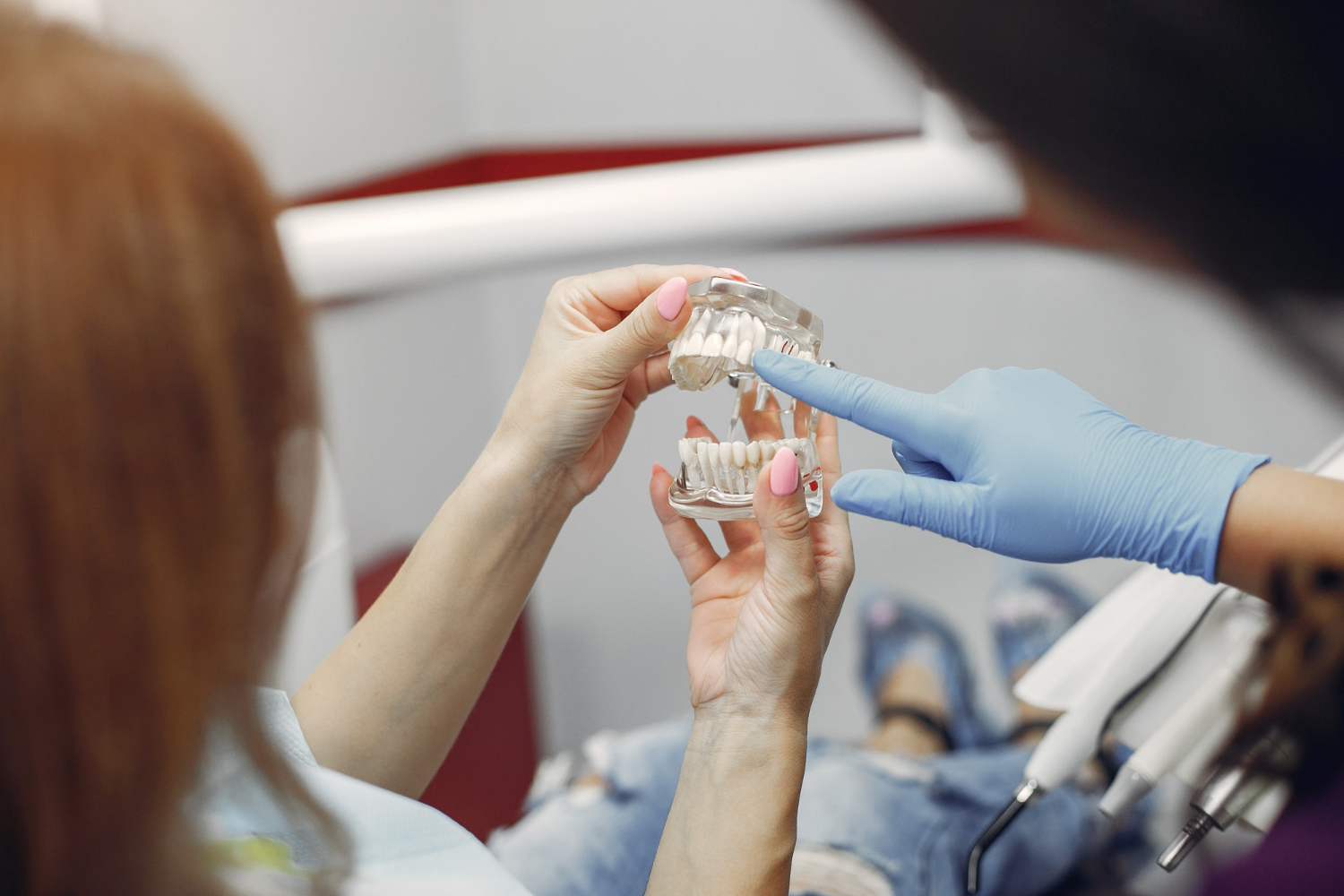
More people now want straighter teeth without metal in their mouths. Clear aligners give you that choice. They are almost invisible. They come out when you eat or brush. They fit your daily life. Many adults who once felt stuck now feel ready to fix long-term crowding or gaps. Teens who feel nervous about smiles in photos often feel calmer with clear trays instead of brackets. Parents like that cleaning stays simple. Dentists see this change everywhere, including with braces in Tuckahoe, Eastchester, and Bronxville. Clear aligners are not magic. They still move teeth with steady pressure. They still need you to wear them as directed. Yet they cause less friction at school, at work, and in social life. This calm, flexible method now stands beside metal braces as a strong option for treatment.
Table of Contents
Why clear aligners are rising in use
You see clear aligners on TV, online, and at work. This is not a trend without reason. Three forces drive this change.
- More adults want treatment without metal showing.
- Teens feel strong social pressure about photos and social media.
- Busy families want care that fits work and school.
Clear trays answer each need. They sit close to the teeth. They are easy to remove for short tasks. They let you live your normal life with fewer changes to food and routines.
How clear aligners work
Clear aligners use a series of thin plastic trays. Each tray has a slightly different shape. You wear one set for a set number of days or weeks. Then you switch to the next set. Your teeth shift in small steps until they reach the planned position.
First, your orthodontist checks your mouth and takes images. The Centers for Disease Control and Prevention explains that crowded or spaced teeth can affect cleaning and decay risk. Clear aligners aim to improve both appearance and function. A digital plan shows how your teeth should move over time. Then the trays are made to match that plan.
You usually wear trays most of the day and night. You remove them for eating, drinking anything other than water, brushing, and flossing. You clean the trays with simple rinsing and gentle brushing. Missed wear time can slow or block progress. Steady use is the key.
Clear aligners versus metal braces
Both clear aligners and metal braces move teeth through steady pressure. Each method has strengths. Your choice should match your mouth, your budget, and your daily life.
| Feature | Clear Aligners | Metal Braces |
|---|---|---|
| Appearance | Almost invisible trays | Visible brackets and wires |
| Removability | Can remove for meals and brushing | Fixed to teeth all day and night |
| Food limits | Few food limits when trays are out | Need to avoid hard and sticky foods |
| Cleaning | Easy brushing and flossing with trays out | Need threaders and extra time to clean |
| Comfort | Smooth plastic edges | Metal parts that can rub cheeks and lips |
| Treatment needs | Works well for mild to moderate problems | Works for simple and complex problems |
| Office visits | Often fewer in person visits | Regular wire and bracket checks |
| Responsibility | Needs strong wear habits | Stays on even if you forget |
Who can use clear aligners
Clear aligners help many people. They often work well if you have
- Crowded teeth.
- Gaps between teeth.
- Mild overbite or underbite.
- Teeth that shifted after past braces.
Children, teens, and adults can all use clear trays. Yet some jaw or bite problems still need metal braces or other tools. Your orthodontist will check your teeth, gums, and jaw first. The National Institute of Dental and Craniofacial Research stresses that strong gums and bone support treatment. Any decay or gum disease needs care before aligners start.
Daily life with clear aligners
Clear aligners ask for steady habits. You need to wear them most of the day. You also need to keep them and your mouth clean. A normal day often looks like this.
- Wake up. Rinse trays. Brush and floss. Put trays back in.
- Remove trays for meals. Rinse your mouth. Place trays back in soon after.
- Clean trays gently at least once a day.
- Store trays in a case when not in your mouth.
Sports and music are often easier with clear trays. Mouthguards can still fit over them in many cases. Speech may feel different for a short time. Most people adjust within a few days. Small, steady pressure on teeth can cause soreness when you switch to a new set. This usually fades as your mouth adapts.
Questions to ask your orthodontist
Before you start, ask direct questions. This keeps you in control and reduces regret later.
- Am I a good candidate for clear aligners?
- How long will my treatment likely take?
- How many hours per day do I need to wear the trays?
- What happens if I lose or break a tray?
- How often will I need in-person visits?
- What will treatment cost, and what does insurance cover?
- Will I need retainers after treatment, and for how long?
Clear aligners give you more control over your schedule and appearance. They still require effort and honesty about your habits. With clear goals and support from your care team, you can use this method to straighten your teeth and protect your oral health for years.

