
Most planning for dental treatment abroad focuses on the trip itself. Far less attention goes to what happens once you are back home, even though that is where most of the healing takes place. The implants have been placed, you may be wearing provisional teeth, and the clinic that treated you is now a flight away.
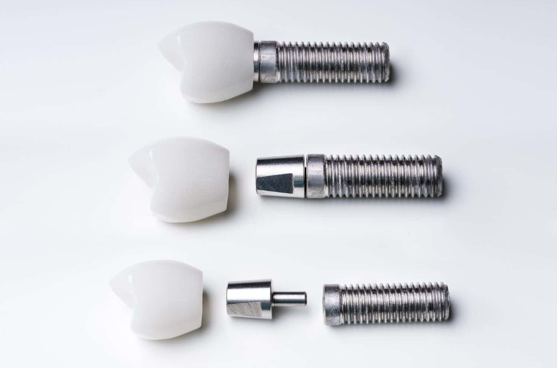
Implant, abutment and crown: the final teeth are fitted once the implant has integrated
The first three months matter because this is when the implants fuse with the jawbone, a process called osseointegration. What you eat, how you clean and how quickly you act on warning signs all influence the result. This guide sets out what typically happens in each phase, though your own surgeon’s instructions always take priority.
Table of Contents
Before you fly home
The last days of your trip set up everything that follows. Before you leave, make sure you have:
- Written aftercare instructions in a language you read comfortably.
- A clear list of your medications, doses and how long to take them.
- A direct contact for questions, ideally with a named person or team.
- Copies of your X-rays or scans and a summary of what was placed.
- An agreed plan for check-ins and for your return visit.
Many surgeons recommend staying several days after surgery so that early swelling can be reviewed before you travel. Ask how long is appropriate for your case rather than booking the earliest possible flight.
Days 1 to 3: swelling and rest
Swelling, mild bruising and some oozing of blood are normal in the first couple of days and usually peak around day two or three. Cold packs applied to the cheek in short intervals during the first 24 to 48 hours can help.
- Keep your head slightly raised when resting.
- Take pain relief and any prescribed antibiotics exactly as directed.
- Avoid rinsing vigorously, spitting forcefully or drinking through a straw.
- Stick to cool or lukewarm liquids and very soft foods.
- Avoid smoking and alcohol entirely.
Days 4 to 14: settling in at home
By the end of the first week swelling should be clearly subsiding, which is often when patients become careless.
Diet: soft foods only, such as eggs, yoghurt, soups, mashed vegetables, fish and well-cooked pasta. Avoid anything hard, crunchy, sticky or very hot.
Hygiene: brush the rest of your mouth normally and clean around the surgical area gently with a soft brush, as instructed. Use any prescribed mouthwash for the period recommended.
Activity: avoid strenuous exercise for at least the first week or two, as raised blood pressure can increase bleeding and swelling.
If stitches need removing, your clinic may arrange this remotely with a local dentist or schedule it for your return visit.
Weeks 3 to 6: living with provisional teeth
If you received immediate-loading implants, you will be wearing a provisional bridge or crowns. These look like teeth but are not designed for normal chewing forces while the bone is still integrating.
- Continue a soft diet, cutting food into small pieces and chewing gently.
- Avoid biting into foods such as apples, crusty bread or raw carrots with your front teeth.
- Clean under and around the provisional bridge daily, using a water flosser or interdental brushes if recommended.
- Do not try to adjust, glue or remove the provisional yourself.
A provisional that feels loose, cracks or changes your bite should be reported promptly, as it may be putting uneven pressure on healing implants.
Weeks 7 to 12: quiet integration
By now most patients feel back to normal. Beneath the surface, the bone is still bonding with the implants, and this stage is where patience pays off.
- Gradually reintroduce firmer foods only if your surgeon agrees.
- Keep up thorough daily cleaning around the implants.
- Attend any scheduled remote check-ins, which may include sending photographs or a local X-ray.
- Prepare for the next phase by confirming dates for your return trip.
Warning signs to act on
Contact your treating team, or a local dentist or doctor if you cannot reach them, if you notice:
| Symptom | Why it matters |
| Swelling that worsens after day three | Possible infection |
| Fever, or pus or a bad taste from the site | Infection needing assessment |
| Bleeding that will not stop with firm pressure | May need local treatment |
| Numbness that persists beyond the first day | Possible nerve irritation |
| An implant or provisional that feels loose | Integration may be at risk |
| Severe pain that gets worse rather than better | Needs prompt review |
Difficulty breathing or swallowing, or rapidly spreading facial swelling, needs emergency care immediately.
Staying in touch with your clinic from home
Remote follow-up has become a normal part of treatment abroad. Ask before you travel how it works in practice: whether you send photos through a messaging app, how quickly someone responds, and whether the clinic can liaise with a local dentist if you need to be seen in person.
Providers that operate within a wider hospital structure may have more established systems for this. American Dental Hospital, which is based inside a private hospital in Tirana, includes follow-up checks in its treatment packages and provides written aftercare guidance in the patient’s preferred language.
The second trip: your final bridge
Once integration is confirmed, usually after around three to six months depending on your bone and the type of restoration, you return for the final teeth. This visit typically involves checking the implants, taking new scans or impressions, and fitting and adjusting the definitive bridge or crowns.
It is usually shorter than the first trip, but allow time for adjustments, since a balanced bite protects the implants long term. Ask whether the final restoration will be made in an on-site laboratory, as that can reduce the number of days you need to stay. For patients treated at the dental department of American Hospital in Tirana, final crowns are produced in the hospital’s own laboratory.
A routine for the long term
Implants cannot decay, but the gum and bone around them can become inflamed if plaque is left to build up. Daily cleaning, regular check-ups with a local dentist and professional hygiene visits are what protect the investment you have made.
If anything about your recovery feels uncertain, contacting your treating team or your own dentist early is always better than waiting to see whether it improves.

