
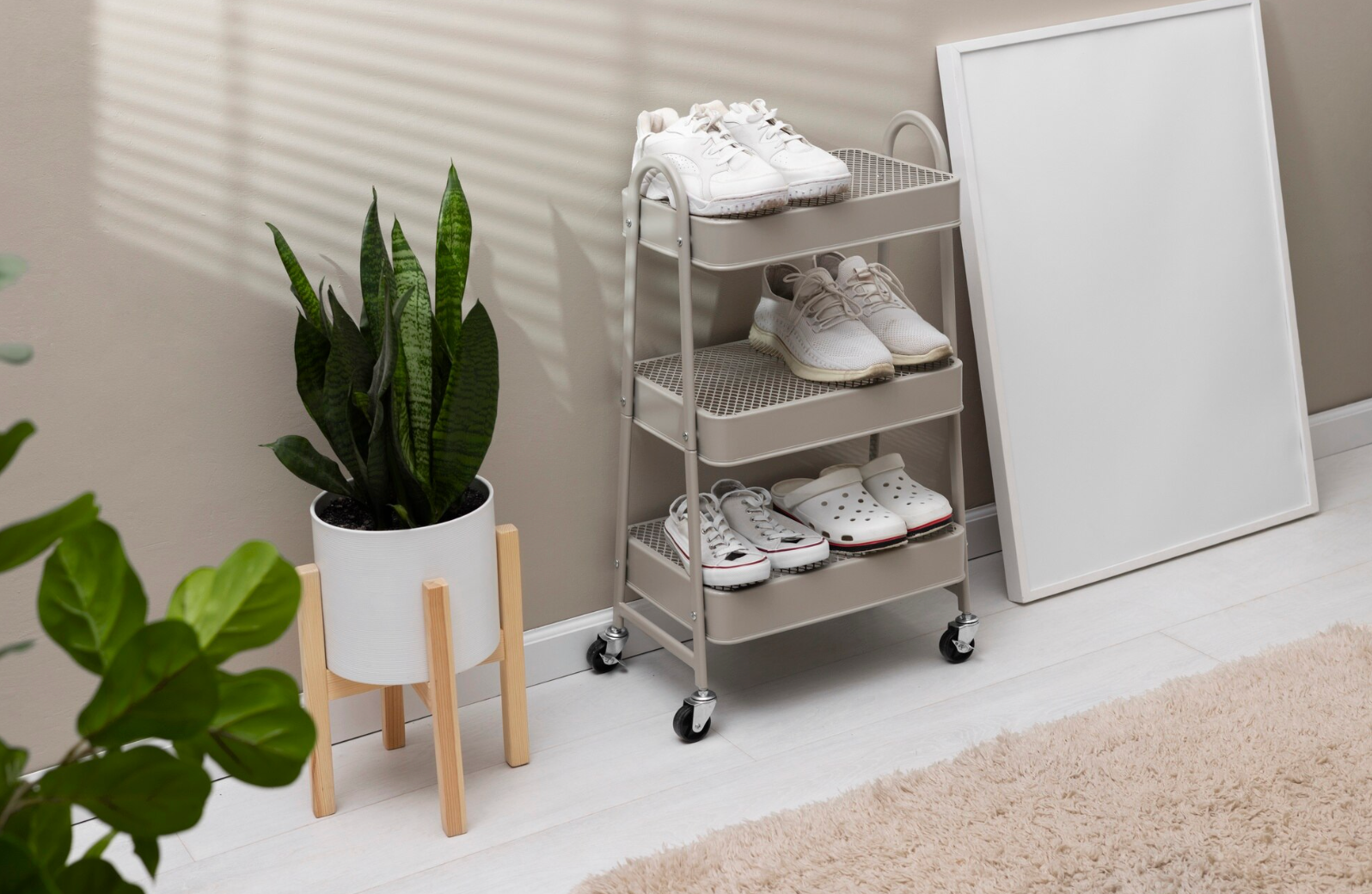
The incorporation of wheels into furniture design represents a significant shift in how objects are used within living and working spaces. Often known as casters, these mechanisms have transformed traditionally static furniture into pieces that can be repositioned with minimal effort. Their presence has changed interior arrangements, allowing both functional and aesthetic possibilities that were previously limited by weight and rigidity. Furniture wheels permit heavy items to move smoothly across a variety of surfaces, influencing layout flexibility, accessibility, and the overall usability of residential and commercial environments.
Table of Contents
Historical Emergence of Furniture Wheels
The concept of attaching wheels to furniture is not new. Evidence of early adaptations dates back to the 17th century, coinciding with broader societal trends that valued mobility and adaptability. Initially, simple wheels were employed to transport crates and storage chests, aiding in trade and shipment logistics. As the Industrial Revolution unfolded, these practical additions gradually moved into domestic spaces. Large homes, particularly those from the Victorian period, adopted wheels for cumbersome items such as grand pianos, heavy chairs, and sideboards, allowing inhabitants to rearrange rooms with relative ease. This era marked the transition of furniture wheels from purely functional devices to integral components of household design.
Varieties and Materials
Contemporary furniture wheels are available in multiple forms, each tailored to particular applications and flooring conditions. Rubber, plastic, and metal remain the most commonly used materials, each offering distinct performance characteristics.
Rubber wheels perform exceptionally on delicate surfaces, such as hardwood or laminated flooring, preventing scratches while cushioning movement. Their shock-absorbing qualities reduce vibrations, which can extend the lifespan of both furniture and the flooring beneath it. Plastic wheels are often associated with lighter furniture, providing cost-efficient mobility for items such as small tables or storage units. They work best on carpeted areas, where smooth rolling is needed without adding unnecessary bulk. Metal wheels, on the other hand, deliver high durability for heavy or industrial furniture. They are particularly suited for environments where strength and longevity are priorities, including workshops, factories, and large storage facilities.
Design Mechanics
The functionality of furniture wheels depends on a combination of a wheel, axle, and mounting system. The axle allows smooth rotation, while the mounting design determines the degree and type of mobility. Several mounting variations exist:
Rigid casters permit movement along a single line, forward or backward, making them suitable for simple arrangements and straight-line mobility. Swivel casters offer full rotation, allowing furniture to pivot in tight areas or compact offices where layout adjustments are frequent. Brake casters integrate mobility with stability, incorporating a locking mechanism to hold furniture securely in place when stationary. Each type of design offers unique advantages, aligning with different usage scenarios and spatial needs.
Functional Applications in Contemporary Interiors
The use of furniture wheels extends well beyond basic movement. In modern interiors, they help optimise space and adapt layouts to suit changing requirements. Shelving units on wheels can shift to reveal concealed storage, while chairs and sofas with casters can be repositioned to suit various seating arrangements. Furniture designers have responded to growing urban living challenges by creating items that accommodate smaller spaces without compromising flexibility. This allows individuals and businesses to make the most of limited square footage while maintaining an organised and practical environment.
Influence on Ergonomics and Mobility
Furniture wheels contribute positively to ergonomics and accessibility. In office settings, desks and chairs equipped with casters support rapid reconfiguration, allowing teams to adjust workspaces quickly. This flexibility can improve workflow and encourage light physical activity, which benefits overall well-being.
In residential contexts, furniture wheels increase accessibility for people with restricted mobility. Items can be moved without strain, promoting independence and comfort. This aspect has expanded the role of casters beyond convenience, highlighting their impact on quality of life and inclusive design.
Innovations and Emerging Trends
Recent years have seen advancements in both the design and functionality of furniture wheels. Some modern wheels incorporate sensors and automated braking systems, providing controlled movement and obstacle detection. These innovations reduce the risk of accidental damage and improve safety in high-traffic areas.
Environmental considerations have also influenced manufacturing trends. Consumers increasingly prefer wheels made from recycled materials or designs that can be repaired or recycled. Such developments demonstrate an intersection between innovation, functionality, and sustainability, reflecting broader shifts in consumer expectations and manufacturing practices.
Selection and Maintenance
Selecting the right furniture wheels requires attention to load capacity, surface compatibility, and intended use. Wheels designed for heavy items may fail if the weight limit is exceeded, potentially damaging both furniture and flooring. The surface type dictates material choice; softer wheels are preferable for delicate floors, while harder wheels suit carpeted or industrial surfaces.
Maintenance is another factor that affects performance and lifespan. Dirt and debris accumulating around the axle can hinder movement and cause wear over time. Regular inspection and cleaning of wheels helps maintain smooth functionality and prevent premature deterioration. Consistent care keeps furniture mobile and safe to use over extended periods.
Aesthetic Considerations
Beyond their functional role, wheels can contribute to the visual appeal of furniture. In industrial-inspired interiors, exposed metal casters complement the design with a mechanical, utilitarian feel. Conversely, concealed wheels provide the mobility of casters without altering the visual lines of the furniture, maintaining a clean and understated aesthetic. This dual role highlights how furniture wheels serve both practical and stylistic purposes, allowing designers to integrate them according to the intended atmosphere of a space.
Concluding Observations
Furniture wheels have fundamentally influenced how living and working areas are organised and experienced. They transform heavy, static items into adaptable components, enhancing mobility, flexibility, and accessibility. Over time, their evolution has mirrored societal shifts, technological progress, and design preferences, reflecting broader changes in lifestyle and spatial requirements.

From simple rolling crates to sophisticated office chairs and smart wheels with automated controls, the development of furniture casters underscores their continued relevance. They offer practical benefits while also supporting ergonomic needs and aesthetic goals. As homes and workplaces evolve, furniture wheels will remain a key element in design and functionality, ensuring that furniture can move with the demands of modern life.

