
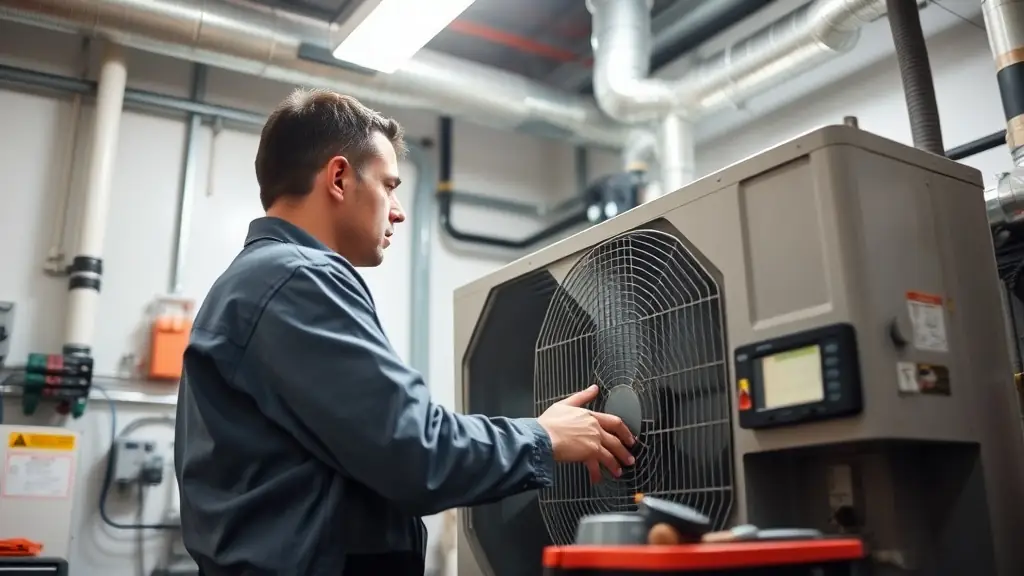
Heating, ventilation, and air conditioning systems are at the core of modern indoor comfort. Whether in residential homes, commercial buildings, healthcare facilities, or industrial environments, these systems regulate temperature, control humidity, and maintain healthy air circulation. Because HVAC systems operate continuously throughout the year under varying environmental conditions, they require regular attention to maintain performance and reliability.
Over time, dust buildup, mechanical wear, airflow restrictions, and electrical issues can reduce system efficiency and increase energy consumption. Without proper care, even a high-quality HVAC system can become inefficient, unreliable, and expensive to operate. This is why hvac maintenance is a critical practice for ensuring long-term performance, reducing repair costs, and maintaining consistent indoor comfort.
Table of Contents
Understanding the Role of HVAC Systems
HVAC systems are designed to create balanced indoor environments by combining heating, cooling, and ventilation functions. In warm weather, the system removes heat and humidity from indoor air, while in cold weather it provides warmth and maintains comfortable temperatures. Ventilation components help circulate fresh air and remove pollutants, improving overall air quality.
These systems are widely used in homes for daily comfort, in offices for employee productivity, and in industrial facilities where temperature control is essential for equipment and process stability. Hospitals, laboratories, and data centers depend on HVAC systems to maintain strict environmental conditions that ensure safety and operational efficiency.
According to energy efficiency data, HVAC systems account for a significant portion of total energy usage in buildings, making proper maintenance essential for reducing energy waste and operational costs. A well-maintained system not only improves comfort but also enhances energy efficiency and reduces environmental impact.
What HVAC Maintenance Involves
HVAC maintenance refers to a structured process of inspecting, cleaning, testing, and servicing system components to ensure optimal performance. It is a preventive approach designed to identify and resolve small issues before they develop into major system failures.
One of the most important maintenance tasks is filter cleaning or replacement. Air filters trap dust, allergens, and airborne particles, but when they become clogged, airflow is restricted and system efficiency decreases. Regular filter maintenance improves air quality and reduces strain on the system.
Coil cleaning is another essential part of HVAC maintenance. Both evaporator and condenser coils accumulate dirt over time, which reduces heat transfer efficiency. Clean coils allow the system to cool or heat more effectively while consuming less energy.Technicians also inspect and clean blower components, check refrigerant levels, and test electrical connections. Proper refrigerant levels are necessary for efficient cooling performance, while secure electrical connections ensure safe and stable operation.
Drainage systems are also checked during maintenance to prevent water leakage and moisture buildup. Blocked drain lines can lead to mold growth and water damage if not addressed properly.Industry maintenance guidelines emphasize that regular servicing helps maintain system efficiency, reduce breakdown risks, and extend equipment lifespan.
Importance of Regular HVAC Maintenance
Regular HVAC maintenance provides multiple benefits that directly impact system performance, energy consumption, and long-term costs. One of the most significant advantages is improved energy efficiency. When all components are clean and functioning properly, the system requires less energy to maintain desired temperatures.
Another key benefit is enhanced system reliability. HVAC systems that receive routine maintenance are less likely to experience unexpected breakdowns. This is especially important during extreme weather conditions when system demand is at its highest.Comfort levels also improve significantly with proper maintenance. A well-maintained system provides consistent temperature control and balanced airflow throughout the building. This eliminates hot and cold spots and ensures a more comfortable indoor environment.
Maintenance also helps improve indoor air quality. Clean filters and properly functioning ventilation systems reduce dust, allergens, and airborne pollutants, creating a healthier living or working space.Experts in HVAC systems consistently highlight that preventive maintenance reduces long-term repair costs and improves equipment lifespan by minimizing mechanical stress on critical components.
Preventive Maintenance vs. Reactive Repairs
There are two main approaches to managing HVAC systems: preventive maintenance and reactive repair. Preventive maintenance involves regular inspections and servicing before problems occur, while reactive repair involves fixing issues after a breakdown has already happened.
Preventive maintenance is significantly more cost-effective because it helps identify small issues early, preventing them from turning into major failures. For example, replacing a clogged filter or cleaning coils can prevent compressor damage or system overheating.Reactive repairs, on the other hand, are often more expensive and disruptive. When a system breaks down unexpectedly, it may require emergency service, replacement parts, and downtime that affects comfort and productivity.Businesses and homeowners who follow a preventive maintenance schedule typically experience fewer disruptions, lower energy bills, and longer equipment lifespan compared to those who rely solely on repairs.
Common HVAC Problems Prevented by Maintenance
Many HVAC issues develop gradually and can be prevented through routine maintenance. One of the most common problems is reduced airflow caused by clogged filters or blocked ducts. This restricts system efficiency and increases energy usage.
Another common issue is refrigerant imbalance. Low refrigerant levels reduce cooling efficiency and can damage the compressor if not corrected early. Regular inspections help maintain proper refrigerant levels.Electrical issues such as faulty wiring, capacitor failure, or thermostat malfunctions can also disrupt system performance. Maintenance helps identify these issues before they lead to system failure.
Dirty coils and blower components are another frequent cause of inefficiency. When these parts are not cleaned regularly, heat exchange becomes less effective, forcing the system to work harder.Drainage problems caused by blocked condensate lines can lead to water leakage and humidity issues inside the building. Preventive cleaning helps avoid these complications.
Energy Efficiency and Cost Savings
One of the most important benefits of HVAC maintenance is improved energy efficiency. When a system operates with clean components and proper calibration, it consumes less energy while delivering consistent performance.Dirty filters, clogged coils, and faulty components force the system to work harder, increasing electricity consumption and operational costs. Regular maintenance eliminates these inefficiencies and helps reduce monthly utility bills.
Efficient HVAC systems also contribute to environmental sustainability. Lower energy consumption results in reduced greenhouse gas emissions, making maintenance an important part of eco-friendly building management.Studies show that well-maintained HVAC systems operate significantly more efficiently than neglected systems, resulting in long-term cost savings and improved performance.
Seasonal HVAC Maintenance Importance
HVAC systems require different types of attention depending on the season. Before summer, cooling systems should be inspected, cleaned, and tested to ensure they can handle high temperatures efficiently. This includes checking refrigerant levels, cleaning condenser coils, and testing airflow.
Before winter, heating components such as furnaces, heat pumps, and thermostats should be inspected to ensure safe and reliable operation. Proper seasonal maintenance ensures that the system performs efficiently during peak demand periods.Seasonal servicing helps prevent unexpected breakdowns during extreme weather conditions when HVAC systems are most needed.
Signs That HVAC Maintenance Is Needed
There are several warning signs that indicate an HVAC maintenance system requires maintenance. Reduced airflow, inconsistent temperatures, and rising energy bills are common indicators of system inefficiency.Unusual noises such as rattling or buzzing may indicate loose or worn components. Bad odors from vents can signal mold growth or dirty filters.
Frequent system cycling or difficulty maintaining set temperatures often points to thermostat or electrical issues. Water leakage near the system may indicate drainage problems.Recognizing these signs early helps prevent more serious damage and ensures continued system reliability.
Conclusion
HVAC systems play a vital role in maintaining comfort, air quality, and temperature control in residential, commercial, and industrial environments. Because these systems operate continuously under varying conditions, regular maintenance is essential for ensuring long-term efficiency and reliability.
Professional hvac maintenance helps improve energy efficiency, reduce repair costs, enhance indoor air quality, and extend system lifespan. Through routine inspections and preventive care, property owners can avoid unexpected breakdowns and maintain consistent indoor comfort.
As energy efficiency and indoor environmental quality continue to grow in importance, regular HVAC maintenance remains one of the most effective strategies for ensuring safe, reliable, and cost-efficient system performance throughout the year.

