
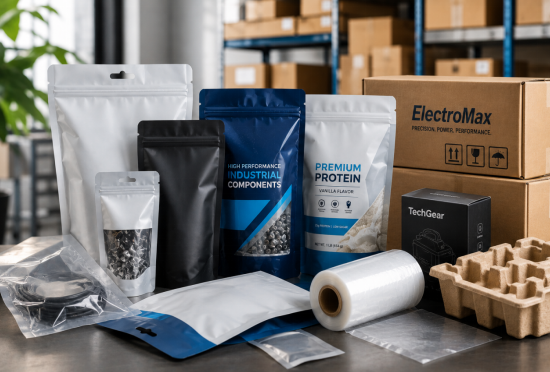
Most founders pour their energy into building a great product and getting it in front of customers. Marketing gets attention. Sales gets attention. Packaging? That often gets pushed to the side until the last minute.
That’s something teams like EONSEN Pack, a reliable custom flexible packaging manufacturer, see all the time when working with growing businesses.
At first, it feels like a simple decision. Pick a box, maybe a rigid structure, or go with flexible packaging like pouches or films. Done, right? Not quite.
The reality is, packaging choices quietly shape everything from product protection to shipping costs and brand perception. And when you start scaling, those early shortcuts tend to show up fast, often in the form of damaged goods, rising costs, or unexpected delays. What felt “good enough” in the beginning can quickly turn into a costly problem.
Table of Contents
Mistake #1: Treating Packaging as an Afterthought
One of the most common mistakes founders make is simply waiting too long to think about packaging. It’s easy to assume it can be figured out later, after the product is ready and sales start picking up.
In practice, that delay often leads to rushed decisions. Instead of choosing between rigid packaging, flexible packaging, or custom solutions based on real needs, founders end up going with whatever is quickest or cheapest at the time.
For example, a standard box might seem like the obvious choice. But in some cases, a flexible pouch or protective film would be more efficient, lighter, and easier to scale.
This usually shows up later in the form of redesigns, supplier changes, or delays in production. What works for small batches can quickly fall apart when you’re producing and shipping at scale.
Mistake #2: Ignoring Product Protection Until It’s Too Late
That’s just the beginning. Product protection is another area that often gets overlooked early on.
Many founders assume basic packaging will do the job. But different products need very different levels of protection. Flexible packaging like laminated films or anti-static bags can work well for sensitive components, while rigid boxes or bulk bags are better suited for heavier or high-volume items.
What’s often missed is how products actually move through the supply chain. They’re not just sitting still. They’re stacked, handled multiple times, and exposed to vibration, pressure, and sometimes moisture during transit.
As shipping distances increase and order volumes grow, the risks go up too. That’s why it’s not just about using thicker materials. The smarter approach is choosing the right structure and materials based on real-world conditions. This is typically where experienced manufacturers like EONSEN Pack help businesses avoid costly trial and error early on.
Mistake #3: Overlooking How Packaging Shapes Brand Perception
Protection is one side of the story. The other is how your packaging makes people feel about your product.
It’s easy to think of packaging as just a container. But for customers, it’s part of the experience. The look and feel of your packaging can shape how people see your brand before they even use what’s inside.
Flexible packaging, for example, allows for high-quality printing and clean, modern designs. On the other hand, rigid packaging can create a more premium, structured impression. Neither is better by default. It depends on the message you want to send.
Where things start to break down is consistency. As you scale, mismatched materials or changing designs can make your brand feel less reliable, even if your product hasn’t changed.
Mistake #4: Underestimating the Impact on Logistics and Costs
Packaging doesn’t just protect your product. It directly affects how you store, ship, and handle it as your business grows.
The type of packaging you choose plays a big role here. Flexible packaging is often lighter and more space-efficient compared to rigid formats, which can help reduce storage and shipping costs. But design matters just as much as material.
Shipping costs, for example, are often based on volume, not just weight. So even slightly oversized packaging can increase costs more than expected. The same goes for warehouse space, where inefficient packaging takes up more room and adds unnecessary complexity.
At first, these issues seem small. But as order volumes grow, those small inefficiencies start adding up and quietly eating into your margins.
Mistake #5: Not Planning for Scalability from the Start
This is where many packaging decisions start to break down. What works early on doesn’t always hold up as demand increases.
Some packaging types are simply harder to scale. They may rely on manual packing processes, limited suppliers, or materials that aren’t easy to source in large volumes. Over time, this leads to longer lead times and inconsistent quality.
In many cases, flexible packaging supports high-volume production more efficiently because it allows for more standardized processes. But even then, it needs to be planned properly from the start.
If you’re unsure, it helps to think a few steps ahead. Will your current packaging still work when orders double or triple? Aligning your packaging with long-term production goals can prevent serious bottlenecks later on.
What Smart Founders Do Differently
So what separates founders who scale smoothly from those who run into constant packaging issues?
They start earlier. Instead of waiting, they take time to evaluate different options, whether that’s flexible packaging, rigid formats, or more protective industrial solutions. The goal is to find what actually fits their product and growth plans.
They also look at the bigger picture. It’s not just about cost or appearance. It’s about balancing protection, branding, logistics, and efficiency all at once.
Testing plays a big role too. Smart founders don’t rely on assumptions. They run small pilot tests, ship products in real conditions, and make adjustments early.
And when needed, they work with experienced partners like EONSEN Pack to avoid costly trial and error and build a more scalable packaging strategy.
Packaging Can Either Support or Slow Your Growth
At the end of the day, packaging isn’t just an operational detail. It’s a strategic decision that directly impacts how smoothly your business scales.
The right choice, whether it’s flexible or rigid packaging, depends on your product, your process, and your long-term goals.
If you’re already growing, it might be worth taking a closer look at your current setup. A few smart adjustments now can prevent costly problems before they slow your growth.

