
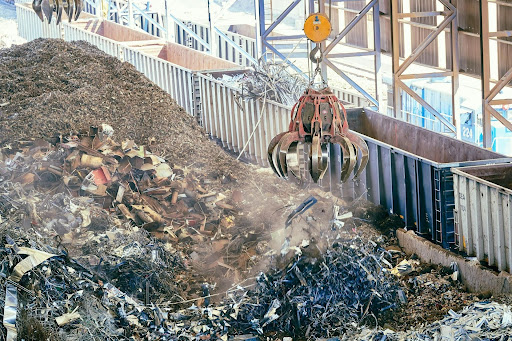
Industrial operations have always been complex. Between sourcing raw materials, managing inventory, maintaining equipment, and handling waste, there are countless moving pieces working behind the scenes. For decades, many facilities approached materials, storage, and waste as separate functions—each handled by different teams, different vendors, and different systems. But that siloed approach is starting to show its age.
Today’s industrial leaders are rethinking how these elements work together. By looking at materials, storage, and waste as parts of one connected ecosystem, businesses are discovering ways to improve efficiency, reduce costs, boost safety, and operate more sustainably—without slowing production.
Table of Contents
Materials Flow Is Where Efficiency Begins
Every industrial operation starts with materials, and how those materials move through a facility has a huge impact on performance. Inefficient material flow leads to bottlenecks, excess handling, damaged goods, and wasted labor.
Rethinking materials handling means asking smarter questions: Are materials arriving in the right quantities? Are they unpacked, moved, and staged efficiently? Are workers spending time searching for components instead of using them?
Facilities that optimize material flow often redesign layouts to reduce unnecessary movement, invest in standardized containers, or adjust delivery schedules to better align with production needs. Even small refinements—like clear labeling or improved staging zones—can dramatically cut down on wasted time and effort.
Storage Should Support Operations, Not Complicate Them
Storage is often treated as a passive function: material goes in, material comes out. But poorly designed storage systems can quietly slow everything down.
Overstocking ties up capital. Understocking creates frantic workarounds. Disorganized storage increases the risk of damage, misplacement, and safety issues. When storage is reactive instead of intentional, it becomes a source of friction rather than support.
Rethinking storage emphasizes accessibility, visibility, and scalability. Facilities are increasingly using logical zoning, vertical space, modular racking, and right-sized containers to make storage more responsive to real-time operational needs. For example, distribution centers in South Florida dealing with high moisture and coastal conditions are increasingly relying on durable, weather-resistant solution, such as reliable containers for sale in Miami, to improve material protection, flexibility, and site organization in fast-moving industrial environments. When teams can see what they have—and easily reach it—workflow improves across the board.
Waste Is Not Just an Output—It’s a Signal
In industrial environments, waste has traditionally been treated as an unavoidable byproduct of production. But more companies are recognizing that waste is actually a signal—one that points directly to inefficiencies.
Excess scrap, damaged materials, and unused inventory all reflect lost time and money. By tracking where waste originates, operations can uncover problems in handling, packaging, equipment performance, or material selection.
This perspective shift is driving more intentional approaches to industrial waste management, where waste is analyzed, measured, and reduced as part of overall process improvement—not just something hauled away at the end of the day.
Connecting Storage and Waste Reduction
Storage and waste are more closely linked than most operations realize. Poor storage conditions often lead to spoilage, corrosion, contamination, or physical damage. Materials that sit too long or are difficult to access are more likely to end up discarded.
When storage is optimized, materials are used more efficiently. Clear rotation systems prevent aging inventory. Proper containment reduces spills and breakage. Organized layouts make it easier to identify excess before it turns into waste.
In many facilities, simply improving how materials are stored results in immediate reductions in disposal volume—saving money while increasing reliability.
Safety Improves When Systems Are Simplified
Industrial safety is deeply connected to how materials and waste are handled. Congested aisles, overflowing bins, and improvised storage solutions increase the risk of injuries and accidents.
Rethinking operations means designing systems that are intuitive, spacious, and consistent. When materials have clearly defined paths and waste has clearly defined destinations, workers don’t need to improvise—and improvisation is often where accidents happen.
Cleaner, more organized facilities benefit not just compliance metrics, but morale as well. Employees feel more confident and focused when the environment supports them rather than creates obstacles.
Waste Handling Should Move Closer to the Source
One of the most effective changes industrial facilities make is moving waste handling closer to where waste is generated. When workers can immediately sort, contain, or redirect waste, contamination drops and recycling or reuse becomes easier.
Centralizing all waste handling at the end of a process often leads to missed opportunities. Decentralized, well-designed waste stations integrated into production areas encourage better habits and reduce downstream labor.
This approach turns waste management into part of the workflow instead of an afterthought.
Technology Is Changing How Facilities Think
Digital tools are playing an increasingly important role in how industrial operations rethink materials, storage, and waste. Inventory tracking systems, real-time sensors, and analytics dashboards provide visibility that didn’t exist before.
With better data, facilities can identify trends like recurring material losses, seasonal waste spikes, or underutilized storage areas. These insights enable proactive decisions rather than reactive fixes.
Technology doesn’t replace human expertise—it amplifies it by making patterns visible and decisions more informed.
Sustainability and Cost Savings Are Aligned
One of the biggest mindset shifts in industrial operations is realizing that sustainability and savings are not opposing goals. Reducing waste, minimizing excess materials, and improving storage efficiency all lower operating costs.
Less waste means lower disposal fees. Better inventory control means less capital tied up in unused materials. Efficient layouts mean higher productivity per square foot.
Sustainability isn’t about slowing down—it’s about running smarter.
Collaboration Beats Silos
When materials, storage, and waste are managed in isolation, improvements in one area often create problems in another. Rethinking operations means encouraging collaboration across teams—procurement, production, facilities, and environmental services working together.
Shared goals and shared data help teams see the full system instead of just their part of it. This systems-level thinking enables changes that are both effective and lasting.
Continuous Improvement, Not One–Time Fixes
Perhaps the most important aspect of rethinking industrial operations is recognizing that improvement is ongoing. Materials change. Products evolve. Volumes shift. What works today may not work tomorrow.
Facilities that succeed long-term treat materials handling, storage, and waste as dynamic systems that adapt over time. Regular audits, employee feedback, and performance reviews keep systems aligned with real operational needs.
Conclusion
Industrial operations run best when materials move smoothly, storage supports workflow, and waste is treated as valuable information—not just an expense. By rethinking how these elements interact, businesses can unlock efficiencies that improve safety, reduce costs, and strengthen resilience.
The future of industrial operations isn’t about managing parts in isolation—it’s about designing connected systems that work together, every step of the way.

