
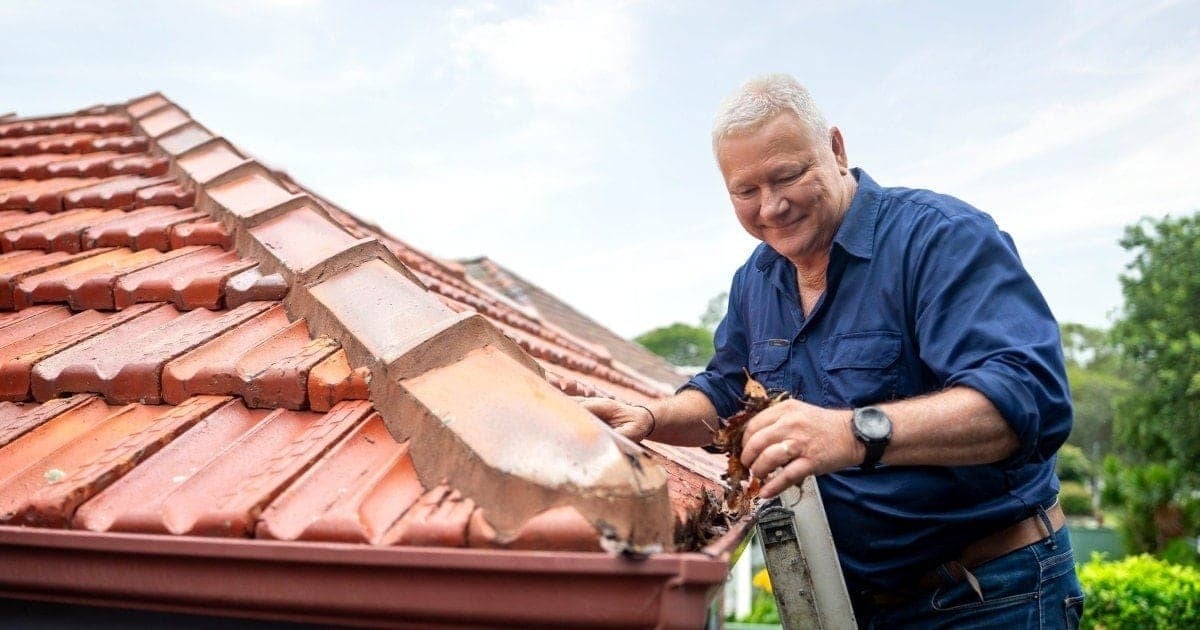
The roof is one of the most essential components of any building. It serves as the first line of defense against the elements, regulates internal temperatures, and protects both the structure and the people inside. Despite its importance, the roof is often one of the most overlooked areas of home maintenance—until something goes wrong.
Leaks, missing shingles, sagging structures, and water stains are just some of the problems that can arise when roofing systems begin to fail. Ignoring these issues can lead to far more extensive damage, including structural deterioration, mold growth, and costly repairs. This is why roof repair is a critical part of maintaining your home’s long-term health and value.
This guide will walk you through the importance of timely roof maintenance, the types of common roofing issues, how to identify early signs of damage, and what to expect during the repair process. Whether you’re a new homeowner or someone with years of experience, understanding how to care for your roof is crucial for protecting your investment.
Why Roof Maintenance Should Be a Top Priority
Roofs are designed to withstand years of exposure to rain, wind, snow, and sunlight. But no matter how well-built a roof is, it won’t last forever without routine care. Over time, environmental factors, age, and even pests can compromise its effectiveness. Here’s why ongoing roof maintenance matters:
Table of Contents
1. Preventing Larger Problems
Minor damage to your roof can quickly become a major issue if not addressed early. A small leak, for instance, can lead to water damage that affects insulation, drywall, and even electrical systems. By tackling issues early, you avoid high-cost repairs and protect your home’s interior.
2. Maintaining Energy Efficiency
Damaged or deteriorated roofing can impact your home’s insulation and ventilation, making it harder to maintain a consistent temperature. This leads to higher energy bills as your HVAC system works harder to compensate for the loss of efficiency.
3. Extending Roof Lifespan
Routine inspections and timely roof repair can significantly extend the life of your roofing system. Just like changing the oil in your car, regular roof maintenance ensures your system remains functional and efficient over the years.
4. Boosting Property Value
A well-maintained roof adds to your home’s curb appeal and resale value. On the other hand, a roof in poor condition is often a deal-breaker for potential buyers.
Common Types of Roof Damage
Different roofing materials and structures face different challenges, but there are several universal problems that homeowners may encounter:
• Leaks and Water Intrusion
Often caused by missing shingles, cracked flashing, or deteriorated sealant, leaks are one of the most common roof issues. They typically manifest as water stains on ceilings or walls and should be addressed immediately to avoid internal damage.
• Shingle Damage
Shingles can curl, crack, warp, or go missing due to weather exposure or age. Damaged shingles reduce the roof’s ability to shed water and protect against wind.
• Sagging Roof Deck
Sagging often indicates structural damage beneath the shingles. This could be due to rot, poor construction, or prolonged water exposure.
• Moss and Algae Growth
While it may look harmless, moss holds moisture against the surface of the roof, leading to faster degradation. Algae can also stain shingles and impact their performance.
• Punctures and Cracks
Tree limbs, hail, and foot traffic can cause punctures in roofing materials. These openings create vulnerabilities where water can seep in.
Warning Signs That Your Roof Needs Attention
Your roof won’t always send a loud warning before it begins to fail. Sometimes the signs are subtle but critical to catch early. Here’s what to watch for:
- Dark spots or water stains on your ceiling
- Granules in the gutters, which indicate shingle wear
- Visible daylight through the attic ceiling
- Higher than usual energy bills
- Peeling paint or mildew around rooflines
- Loose or rusted flashing near chimneys and vents
Even if these issues seem minor, they can escalate quickly. That’s why periodic roof inspections—especially after major storms—are vital for spotting and correcting problems before they spiral out of control.
Choosing the Right Professional for Roof Repair
Hiring the right contractor for roof repair can make all the difference in terms of cost, quality, and peace of mind. Here are several key factors to consider when evaluating a roofing contractor:
1. Credentials and Licensing
Ensure the contractor is licensed and insured. Reputable roofing companies will also offer warranties on their workmanship and materials.
2. Experience and Specialization
Look for contractors who specialize in the type of roofing material your home has—whether it’s asphalt shingles, metal roofing, tile, or flat systems.
3. Reputation and Reviews
Check online reviews and ask for references. A reliable contractor will have a solid track record of satisfied customers and completed projects.
4. Clear Communication
The best contractors explain the scope of work, pricing, and timeline clearly. Avoid anyone who gives vague estimates or avoids putting details in writing.
What to Expect During the Roof Repair Process
Understanding what the repair process entails can help set expectations and make the experience smoother for everyone involved.
• Inspection and Assessment
The contractor will first inspect the roof to assess the extent of damage and determine the necessary repairs. This may include checking the attic, gutters, flashing, and roofing material.
• Estimate and Contract
You’ll receive a written estimate that includes labor, materials, and a proposed timeline. Make sure everything is outlined in the contract before work begins.
• Repair Work
Depending on the issue, repairs could range from replacing a few shingles to fixing structural decking or sealing multiple leak points. Most minor jobs are completed within a day, while more extensive repairs may take longer.
• Final Inspection and Cleanup
After the work is done, the contractor will perform a final inspection to ensure the repairs meet standards. Cleanup of debris and leftover materials should also be included.
DIY vs. Professional Repair
Some homeowners consider handling minor roof issues themselves. While this can work for small problems, such as clearing debris or sealing a tiny leak, there are significant risks involved:
- Safety hazards from working at heights
- Lack of proper tools or materials
- Risk of further damage
- Voided warranties on roofing materials
In most cases, professional roof repair is the smarter, safer choice. Professionals have the tools, training, and insurance to complete repairs correctly and efficiently.
How to Prevent Future Roof Problems
The best way to reduce the need for future repairs is by investing in regular maintenance. Here are some preventative measures homeowners can take:
- Schedule annual roof inspections
- Clean gutters regularly to prevent water buildup
- Trim nearby trees to reduce the risk of falling branches
- Remove debris like leaves and branches from the roof
- Check attic ventilation to prevent moisture buildup
Being proactive can save thousands of dollars over the life of your roof and reduce the risk of unexpected emergencies.
When Repairs Aren’t Enough: Signs You May Need Replacement
Not all roofing problems can be fixed with simple repairs. In some cases, the damage is too widespread or the materials too aged. Here are signs that a full replacement may be necessary:
- Your roof is 20–30 years old (depending on the material)
- You’ve had frequent repairs in recent years
- There are widespread leaks in multiple areas
- The roof sags or shows structural damage
- Shingle granules are heavily eroded
While a new roof is a larger investment, it often makes more financial sense than repeatedly patching an old, failing system. It also provides better energy efficiency, improved aesthetics, and peace of mind.
Final Thoughts
A strong, secure roof is one of the best investments you can make for your home. Whether you’re addressing a minor issue or preparing for more significant work, taking action promptly can prevent thousands of dollars in future repairs and protect your home from avoidable damage.
With the help of an experienced contractor, any roof repair—no matter how big or small—can be handled professionally, safely, and efficiently. Don’t wait for a small issue to turn into a crisis. Stay proactive, schedule regular inspections, and trust your roof to professionals who understand the importance of quality craftsmanship.
When it comes to maintaining the safety and value of your home, your roof deserves your full attention. With the right care, the right tools, and the right experts, you can keep it strong for decades to come.

