
A cancer diagnosis can turn ordinary days into questions, especially when the disease is rare. In 2025, medical guidance estimated that peritoneal mesothelioma accounts for about 300 to 400 new US diagnoses each year, representing roughly 10% to 15% of approximately 3,300 annual mesothelioma cases. Connecticut recorded an age-standardized mesothelioma incidence rate of 6.37 per million residents age 15 and older in 2021, down from 9.3 per million in 2019. These figures show why a disease affecting relatively few people can still matter to families across Connecticut.
Peritoneal mesothelioma develops in the lining of the abdominal cavity and may cause symptoms resembling common digestive conditions. Its rarity can make diagnosis complex, while asbestos exposure may raise questions about where and when exposure occurred. A reliable resource on peritoneal mesothelioma overview can help families understand symptoms, potential causes, and the diagnostic process. It can also help people face possible issues after a diagnosis. The sections below explore each area.
Table of Contents
What Peritoneal Mesothelioma Is
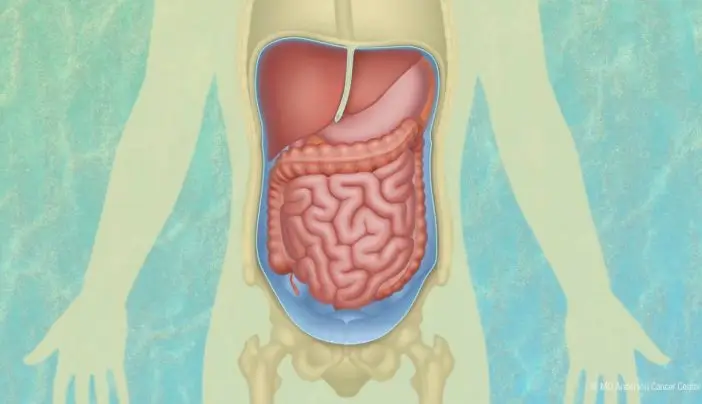
This cancer begins in mesothelial cells within the abdominal lining. It differs from pleural mesothelioma, which affects tissue around the lungs, although both diseases are associated with asbestos exposure. Reading about peritoneal mesothelioma helps explain how the disease develops, which symptoms require medical attention, and how physicians confirm the diagnosis. Cancer can spread across abdominal surfaces and cause fluid buildup, pressure, or complications involving nearby organs.
Peritoneal mesothelioma accounts for about 10% to 15% of mesothelioma cases. Doctors classify it as malignant when cancer cells invade nearby tissue or spread within the abdominal cavity.
Common Symptoms
Early disease often causes few noticeable symptoms. As tumors grow, signs become more persistent and interfere with eating, digestion, or daily movement.
Common signs include:
- Abdominal pain or tenderness
- Abdominal swelling caused by fluid buildup or tumor growth
- Nausea, reduced appetite, or unexplained weight loss
- Fever or night sweats
- Changes caused by an intestinal obstruction
- Blood-clotting problems
- Peritoneal fluid buildup, also called peritoneal effusion
These symptoms do not confirm mesothelioma. Digestive infections, inflammatory conditions, ovarian cancer, and other abdominal disorders can cause similar problems. Persistent symptoms require medical evaluation, especially when abdominal swelling or pain worsens.
Symptoms often progress in stages. Early disease can be silent, and growing tumors can cause mild discomfort, nausea, or swelling. Advanced disease can produce severe pain, substantial fluid accumulation, bowel obstruction, or difficulty eating.
Causes and Risk Factors
Asbestos exposure is the only established cause of peritoneal mesothelioma. People can inhale or swallow asbestos fibers at work, during home renovation, or through contact with contaminated materials. Swallowed fibers can pass through the digestive tract and reach the abdominal lining.
Occupational exposure affects construction workers, shipyard workers, industrial workers, and military personnel. Family members also face secondary exposure when workers carry fibers home on clothing or equipment. A person does not need a long exposure history to develop asbestos-related disease.
The time between exposure and diagnosis often spans several decades. That delay can make it difficult to connect an old job or household exposure with current abdominal symptoms. A clinician should record the type, timing, and setting of any known asbestos contact.
How Doctors Diagnose It
Diagnosis begins with a medical history and physical examination. The clinician asks about abdominal symptoms, previous diagnoses, work history, military service, and possible asbestos exposure. They check for swelling, tenderness, masses, and signs of fluid accumulation.
Imaging usually follows when symptoms or examination findings raise concern.
- A computed tomography scan of the abdomen and pelvis can show tumors, thickened peritoneal tissue, enlarged lymph nodes, or fluid.
- Magnetic resonance imaging (MRI) can provide more detail when doctors need to assess tumor location and possible spread.
Imaging cannot confirm peritoneal mesothelioma on its own. A biopsy provides the tissue sample required for a definitive diagnosis. Doctors obtain tissue through a needle procedure, laparoscopy, or surgery, depending on the tumor’s location and the patient’s condition.
A pathologist examines the sample under a microscope and uses immunohistochemical tests to identify the cancer type. These tests help distinguish mesothelioma from metastatic abdominal cancers, including cancers that spread from the stomach, colon, ovaries, or other organs.
Why Exposure History Matters
Many early symptoms resemble ordinary digestive illness, so patients often receive an initial diagnosis unrelated to cancer. An asbestos history gives the clinician useful context when deciding whether imaging, specialist referral, or biopsy is appropriate.
A person should mention jobs involving insulation, construction materials, ship repair, industrial equipment, or demolition. Household exposure also matters, even when the patient never worked directly with asbestos. Employment records can help clarify the timing when exposure occurred many years earlier.
What Happens After Diagnosis
After pathology confirms mesothelioma, doctors determine the cancer’s extent and assess the patient’s overall health. They review imaging, biopsy findings, tumor location, and whether surgery is practical.
Treatment plans differ between patients. Options include surgery, chemotherapy, immunotherapy, or combinations of these treatments. Eligible patients often receive surgery followed by heated chemotherapy delivered within the abdominal cavity. A specialist team uses the diagnostic results to discuss treatment benefits, risks, and expected recovery.
Conclusion
Persistent abdominal swelling, pain, nausea, or unexplained weight loss deserves medical attention, especially after known asbestos exposure. No single symptom confirms peritoneal mesothelioma, and imaging alone cannot establish the diagnosis.
Patients should provide a complete exposure history and ask whether abdominal imaging or a biopsy is appropriate. Early specialist evaluation gives the care team clearer information to decide on the course of treatment and manage symptoms.

