
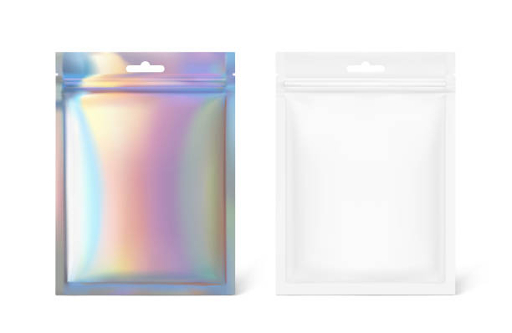
Packaging is no longer only about protecting products during storage and transport. It also influences presentation, convenience, brand recognition, and customer experience. Businesses may choose paper packaging for retail presentation or zipper bags for flexible product storage and repeated access. Selecting the right custom paper bag supplier or custom zipper bag supplier requires careful consideration of product type, packaging requirements, branding, and distribution needs.
This guide compares both options and explains how to choose suitable suppliers. Without any further delay, let’s begin with our article!
Table of Contents
When Should Businesses Choose a Custom Paper Bag Supplier?
Paper bags are widely used by retailers, restaurants, boutiques, gift shops, and other businesses that need practical carrying solutions. A custom paper bag supplier can provide bags in different sizes, paper types, handle styles, and printing formats. These options allow businesses to match packaging with their products and brand identity. Proper sizing also helps prevent unnecessary material use while providing enough space for the intended products.
Brand presentation is another major advantage of custom paper bags. Businesses can print logos, colors, product information, and other visual elements directly onto the bag. A well-designed bag can therefore become part of the customer’s shopping experience. Retailers may use custom paper bags to create a more consistent appearance across physical stores, promotional events, and product launches.
Product requirements should guide supplier selection. Buyers need to consider paper thickness, dimensions, handle construction, printing quality, and order quantities. A reliable custom paper bag supplier should be able to discuss these specifications before production. HiYang Packaging Product can support businesses seeking customized paper packaging solutions for different commercial applications and branding requirements.
When Is a Custom Zipper Bag Supplier the Better Choice?
Zipper bags are useful when products need flexible packaging with convenient opening and closing. They are commonly used for clothing accessories, food products, cosmetics, small merchandise, hardware, and various consumer goods. A custom zipper bag supplier can provide packaging in different sizes, materials, zipper configurations, and printing styles. This flexibility makes zipper bags suitable for businesses with diverse packaging requirements.
The resealable design can improve product handling during storage and everyday use. Customers can open the package and close it again without immediately replacing the packaging. This feature can be useful for products that are consumed, accessed, or handled over multiple occasions. For businesses, it can also provide a practical way to present products while keeping smaller items organized.
Material selection remains important when ordering zipper bags. Buyers should evaluate thickness, transparency, sealing performance, zipper quality, and compatibility with the packaged product. Printing requirements also deserve attention because branding must remain clear and consistent. Foshan Yifa Packaging Technology provides customized zipper packaging solutions for businesses seeking product-specific designs and packaging formats.
How Should B2B Buyers Compare Paper and Zipper Packaging?
The best packaging choice depends on how the product is handled, displayed, and distributed. Paper bags are often suitable for retail carrying and brand presentation, particularly when customers receive products directly from a store. Zipper bags are more suitable when products need compact storage, visibility, or repeated opening. Comparing these practical requirements helps businesses avoid choosing packaging based only on appearance.
Order volume and customization also influence purchasing decisions. Businesses should provide accurate dimensions, artwork, material preferences, printing requirements, and expected quantities when contacting suppliers. This information allows manufacturers to assess production requirements more accurately. Buyers should also ask about sampling, quality inspection, lead times, packaging specifications, and delivery arrangements before confirming large orders.
Supplier communication can make a significant difference in B2B packaging projects. HiYang Packaging Product and Foshan Yifa Packaging Technology serve different packaging categories, allowing businesses to approach suppliers according to their specific requirements. A clear technical brief helps suppliers understand the intended application. It also reduces misunderstandings during sampling and mass production.
What Makes a Reliable Custom Packaging Supplier?
A reliable supplier should provide more than attractive packaging designs. Consistent product quality is essential when businesses order packaging in large quantities. Buyers should assess material consistency, printing accuracy, dimensions, sealing performance, and production capacity. Quality checks should also be considered before large-scale manufacturing, particularly when packaging is closely connected to product presentation.
Customization capability is another important factor. Businesses may require unusual dimensions, specific colors, branded printing, special handles, different zipper structures, or particular material thicknesses. A capable custom paper bag supplier or custom zipper bag supplier should be able to discuss these requirements clearly. This helps businesses develop packaging that fits both product specifications and brand presentation.
Long-term supplier relationships can also improve purchasing efficiency. Once a packaging supplier understands a customer’s specifications, future orders can become easier to manage. Consistent communication can support repeat production and help maintain packaging uniformity across different batches. Businesses should therefore evaluate suppliers based on product quality, communication, customization capabilities, and overall purchasing reliability rather than focusing only on unit price.
How Can Businesses Make the Final Packaging Decision?
Businesses should begin by identifying the product’s physical and commercial requirements. Consider its size, weight, storage conditions, customer handling, display method, and expected distribution environment. These factors can quickly indicate whether a paper bag or zipper bag is more appropriate. The packaging format should solve a practical need while supporting the product’s market positioning.
Next, buyers should prepare clear specifications for potential suppliers. For paper bags, this may include paper type, dimensions, handle style, printing, and carrying requirements. For zipper bags, specifications may include material, thickness, dimensions, zipper type, transparency, and printing. Providing complete information allows a custom paper bag supplier or custom zipper bag supplier to offer more accurate recommendations.
The final decision should balance functionality, appearance, customization, and purchasing efficiency. HiYang Packaging Product can support businesses requiring customized paper bags, while Foshan Yifa Packaging Technology can address customized zipper packaging needs. By matching packaging design with product requirements and supplier capabilities, B2B buyers can build a more effective packaging strategy.
Conclusion:
Paper and zipper packaging each offer distinct advantages for B2B applications. A custom paper bag supplier can help retailers and brands develop attractive carrying packaging, while a custom zipper bag supplier can provide convenient, resealable solutions for products requiring flexible storage.
The right choice depends on product requirements, branding goals, customization needs, and purchasing conditions. Careful supplier evaluation helps businesses achieve packaging that performs well and represents their brand effectively.

