
Starting a new business feels like standing at the edge of something incredible. You’re juggling product development, building your team, and mapping out marketing strategies that’ll put you on the map. But here’s the thing: in all that excitement, safety often gets pushed to the bottom of the list. That’s a mistake that’s cost plenty of entrepreneurs dearly. Before you unlock those doors for the first time, you need to build a rock-solid foundation of safety measures. This isn’t just about checking boxes for compliance, it’s about protecting everything you’ve worked for, the people who’ll help you succeed, and everyone who trusts you enough to walk through your doors. Let’s walk through the essential safety precautions that deserve your attention right now.
Table of Contents
Establish Comprehensive Fire Protection Systems
Fire safety isn’t something you want to learn about the hard way. Whether you’re opening a café, a retail shop, or a tech startup, fire protection needs to be woven into your business plan from day one. Sure, smoke detectors are essential, but they’re really just the starting point. Your space needs a layered approach: heat sensors catching what smoke detectors might miss, sprinkler systems ready to suppress flames, and emergency exits that are clearly marked and always accessible. The detection equipment you install needs to work together as one system. That’s where professionals who need to protect their commercial properties rely on a properly designed commercial fire alarm system to ensure that everyone in your building receives immediate notification of danger, allowing for swift evacuation. Testing everything before you open is crucial, and then you’ll need to keep that maintenance schedule going. And don’t forget the human element, your team needs to know exactly what to do when an alarm sounds, including where to meet up outside so you can account for everyone.
Implement Robust Security Measures
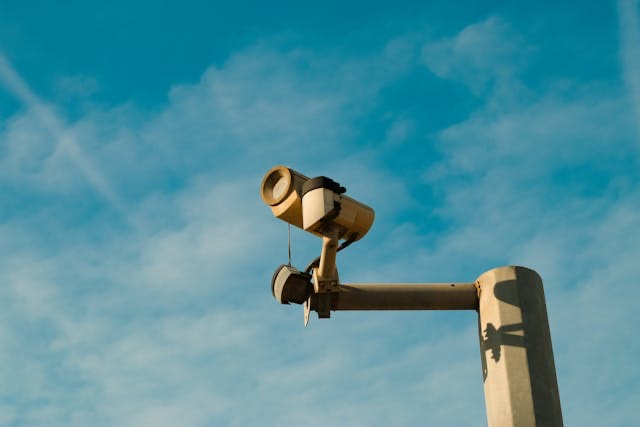
Your business deserves protection that goes beyond a basic lock and key. Today’s security challenges call for integrated systems that address multiple threats at once. Think about it: surveillance cameras do double duty, deterring potential problems while giving you eyes on daily operations and safety hazards you might otherwise miss. Strategic placement matters, you want coverage of entrances, high, value areas, and blind spots that could create vulnerabilities.
Develop Emergency Response and Evacuation Plans
Here’s a truth that catches too many business owners off guard: having top-notch safety equipment means nothing if nobody knows what to do with it. That’s why detailed, written emergency plans are non-negotiable. You need protocols for fires, medical crises, natural disasters, and security incidents, each one different, each one practiced. Your evacuation strategy should spell out primary routes, backup exits, where everyone gathers outside, and how you’ll assist customers or visitors who might need extra help.
Ensure Proper Equipment and Workplace Safety Standards
Every workplace has its own flavor of hazards, but certain fundamentals apply across the board. Start with a thorough walkthrough of your space, looking for dangers with fresh eyes. Where might someone slip? What equipment could cause injury? Are there chemical exposures or ergonomic nightmares waiting to happen? First aid kits need to be more than decorative, fully stocked, strategically placed, clearly marked, and plentiful enough for your space. If your team faces any safety risks, personal protective equipment isn’t optional.
Obtain Appropriate Insurance Coverage
Think insurance seems disconnected from safety? Think again. The right coverage protects your business from financial catastrophe when accidents happen despite your best efforts. General liability insurance steps in when someone gets hurt on your property or you’re held responsible for damages, without it, a single lawsuit could sink everything you’ve built. Workers’ compensation isn’t just smart; it’s legally required in most places.
Train Your Team and Maintain Ongoing Compliance
All those safety systems and equipment? They’re only as good as the people using them. That’s why comprehensive training before your grand opening isn’t optional, it’s absolutely critical. Every team member needs orientation covering emergency procedures, equipment usage, hazard reporting, and your specific protocols. Industry requirements vary wildly. Restaurants need food safety certification, healthcare facilities require HIPAA compliance training, construction businesses need OSHA certifications, you’ve got to research what applies to you. Document everything: training dates, topics, who attended. Regulators might ask to see those records during inspections. Regular refresher sessions keep procedures fresh and introduce new protocols or equipment as your business evolves. Safety regulations and building codes aren’t static, they change, and you need to stay ahead of those changes. Designating a safety officer or forming a committee creates accountability for monitoring compliance, conducting audits, and keeping your safety program current and effective.
Conclusion
Opening a business represents one of the biggest leaps you’ll ever take. You’re investing everything, time, money, dreams, into making this work. Protecting that investment through comprehensive safety measures isn’t just smart business; it’s essential survival. Fire protection, security systems, emergency planning, workplace safety standards, and proper insurance create the shield your business needs to weather storms and avoid catastrophe. Yes, implementing these precautions requires upfront investment and ongoing attention. But compare that cost to the alternative: injuries, lawsuits, property loss, or watching your doors close permanently. When you prioritize safety from the start and build a culture where protection matters, you’re creating space for your business to flourish while keeping risks in check. Safety isn’t something you finish and forget, it’s an ongoing commitment that grows alongside your business and adapts as regulations shift and your needs evolve.

