
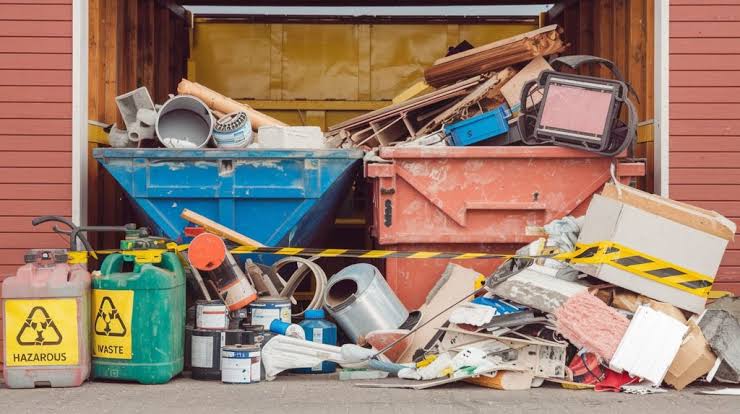
Renovating your home in Mississauga can be exciting. Whether it’s updating your kitchen, finishing the basement, or adding a new deck, renovations can transform your living space and increase your property value. But along with the excitement comes a challenge that many homeowners overlook: disposing of renovation debris safely and legally. Improper disposal can harm the environment, violate local regulations, and even lead to fines. In this guide, we’ll explain how Mississauga residents can manage renovation waste efficiently and responsibly.
Table of Contents
Understand What Counts as Renovation Debris
Before you start clearing out, it’s important to understand what types of materials are considered renovation debris. Typical items include:
- Wood scraps and lumber from cabinets, flooring, or framing.
- Drywall and plaster from walls or ceilings.
- Tiles and ceramics from bathrooms, kitchens, or flooring projects.
- Metal scraps such as pipes, nails, or old fixtures.
- Concrete and bricks from driveways, patios, or foundations.
- Old furniture or cabinetry removed during renovations.
Some of these materials are hazardous or require special handling, like asbestos, lead paint, or certain chemicals. Identifying these items early ensures you can dispose of them safely.
Follow Mississauga’s Waste Disposal Regulations
Mississauga has specific rules regarding renovation debris. Homeowners must comply with local waste disposal regulations to avoid fines. Some key points include:
- Residential Waste Limits: City curbside pickup is typically limited to household garbage. Renovation debris often exceeds these limits.
- Hazardous Materials: Items such as paints, solvents, or asbestos cannot go into regular garbage bins. They must be disposed of at designated hazardous waste facilities.
- Construction and Demolition Waste: Large amounts of debris from home improvement projects cannot be dumped at curbside. You must use approved methods, such as rental bins or certified drop-off facilities.
For full details, you can check the City of Mississauga’s waste management guidelines. Following these rules protects both the environment and your wallet.
Renting a Bin: The Most Convenient Option
For most renovation projects, Dumpster Bin Rental Toronto is the easiest and safest way to dispose of debris. A rental bin provides a single, secure place to collect waste and ensures it is picked up and transported legally, giving homeowners peace of mind during their renovation.
Benefits of bin rentals include:
- Size options to match your project, from small home improvements to major renovations.
- Convenience: The bin is delivered to your driveway and collected when full.
- Legal disposal: The rental company ensures your debris goes to approved recycling or landfill sites.
- Safety: Prevents debris from spilling onto streets or neighbors’ properties.
When selecting a Bin Rental Mississauga, look for companies that handle recycling and hazardous materials responsibly. Some companies even sort materials to divert wood, metal, and drywall from landfills.
Sorting and Separating Debris
Sorting debris before placing it in a bin can save time and money. Here’s how to handle common renovation materials:
- Wood: Untreated wood can often be recycled. Nails and screws should be removed if possible.
- Metal: Scrap metal can often be recycled separately, and some companies may pay for it.
- Drywall: Some facilities recycle drywall into new plaster or soil amendments.
- Concrete, bricks, and stone: These materials can often be crushed and reused in construction projects.
- Hazardous materials: Paints, solvents, and chemicals should be taken to Mississauga’s hazardous waste depot.
Proper sorting reduces landfill waste and may lower your bin rental costs if recyclable materials are removed beforehand.
Safety Tips During Debris Removal
Renovation debris can pose physical hazards. Follow these safety tips to prevent injuries:
- Wear gloves, safety glasses, and sturdy footwear.
- Avoid lifting heavy items alone; get help for large debris.
- Keep walkways clear to prevent trips and falls.
- Handle sharp objects, nails, and glass with extra caution.
By taking safety seriously, you protect yourself, your family, and anyone helping with the project.
Eco-Friendly Disposal Options
Mississauga encourages eco-friendly disposal practices whenever possible. Consider the following:
- Recycling: Separate wood, metal, and drywall for recycling.
- Donation: Old cabinets, doors, and fixtures in good condition can be donated to local charities.
- Hazardous Waste Drop-Off: Use city-approved depots for paints, chemicals, and electronics.
Using these methods reduces landfill waste and contributes to a cleaner, greener city.
Final Thoughts
Renovation projects are exciting, but the debris they create can become a headache if not managed properly. By understanding local rules, renting a bin, sorting your waste, and prioritizing safety and eco-friendly disposal, you can handle renovation debris safely, legally, and efficiently.
If you’re planning a home renovation, consider renting a bin from a trusted company. It’s the simplest way to stay compliant with city regulations, save time, and keep your property safe and tidy.

