
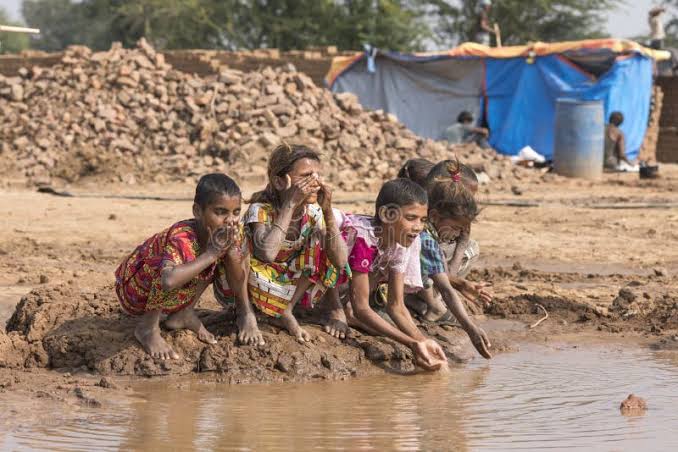
Lots of people are living in poverty around the world, and for many, it is not a temporary situation. Instead, it becomes a cycle that passes from one generation to the next. Structural barriers play a major role in keeping families trapped in poverty, limiting access to opportunities that could change their circumstances. Understanding these barriers is essential to creating solutions that break this cycle.
Educational Inequities
Education is one of the most important tools for escaping poverty, yet unequal access to quality education remains a persistent problem. Children from low-income families often attend schools with limited funding, outdated materials, and fewer experienced teachers. Many of these schools also lack extracurricular programs that can help develop critical thinking, social skills, and leadership abilities. Without these opportunities, children are less likely to gain the knowledge and skills needed to compete for higher-paying jobs, leaving them more likely to continue in low-wage employment.
Economic Inequality and Job Access
Economic systems also contribute to ongoing poverty. Many communities face limited employment opportunities, especially jobs that provide a living wage and benefits. Issues such as discrimination in hiring practices, wage disparities, and a lack of investment in economically disadvantaged areas reinforce this cycle. Without stable employment, families cannot provide financial security or opportunities for their children to advance.
Healthcare Disparities
Healthcare access also plays a critical role in perpetuating poverty. Low-income families often face high medical costs, limited insurance coverage, and a shortage of quality medical services in their communities. Chronic illnesses or untreated health issues can prevent adults from maintaining employment and children from attending school consistently. Over time, poor health creates another obstacle that makes it harder for families to move out of poverty, creating a cycle that affects multiple generations.
Housing Instability
Housing policies and urban planning can also make it harder for families to escape poverty. Families living in segregated neighborhoods with limited resources face higher rates of crime, underperforming schools, and inadequate infrastructure. Housing instability, including frequent moves or homelessness, disrupts family life and educational continuity, making it more difficult for children to thrive.
The Role of Social Networks and Opportunity Gaps
Poverty is not just about income. Families trapped in poverty often have limited social connections to mentors, employers, or educational resources. These gaps reduce chances for advancement, leaving generations of children with few role models for upward mobility.
Addressing Structural Barriers
Breaking the cycle of poverty requires systemic interventions alongside individual support. Policies aimed at equitable funding for education, fair employment practices, affordable healthcare, and stable housing are essential. Organizations like Compassion International also play a critical role by addressing both immediate needs and long-term structural challenges, helping children access education, healthcare, and mentorship that can change their life paths.
Summing It All Up
Generational poverty is reinforced by a complex network of structural barriers, including education and healthcare disparities, economic inequality, and housing instability. Addressing these challenges requires both community-level support and broader policy reform. By confronting these barriers, society can give future generations a real opportunity to thrive.

