
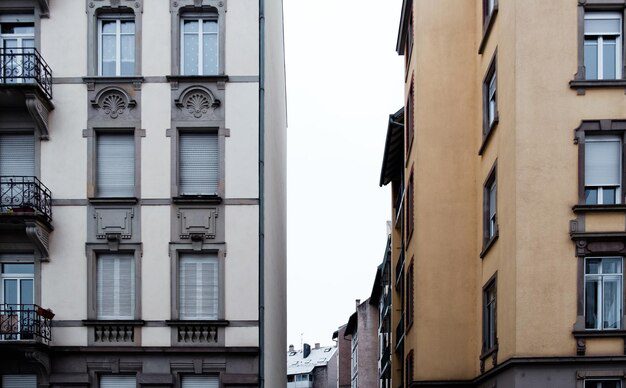
London and Winchester, two iconic locations in the UK, offer distinct architectural styles influenced by history, geography, and cultural development. While London is known for its cosmopolitan skyline and mix of modern and heritage buildings, Winchester reflects a more traditional and historic aesthetic rooted in its medieval past. In this blog, we will explore the key design differences in Winchester & London residential architects, focusing on structural styles, materials, space utilization, and sustainability.
Table of Contents
1. Historical Influence and Architectural Heritage
London, as the capital city, boasts a diverse architectural landscape influenced by various periods, from Georgian and Victorian townhouses to contemporary high-rise apartments. Many London residential properties, particularly in older districts such as Kensington and Notting Hill, feature terraced houses with grand facades, intricate brickwork, and sash windows. Post-war reconstruction and modern development have also introduced sleek, minimalist apartment buildings and luxury penthouses to accommodate the city’s growing population.
Winchester, on the other hand, is steeped in medieval and Tudor influences, reflecting its status as one of England’s most historic cities. The city is characterized by charming period homes, including thatched cottages, timber-framed houses, and Georgian townhouses. The emphasis in Winchester’s residential architecture is on maintaining historical integrity while adapting homes for modern living. Conservation areas and strict planning regulations ensure that new developments blend harmoniously with the traditional aesthetic.
2. Structural Styles and Building Types
One of the main differences between London and Winchester’s residential architecture is the predominant building types.
- London: The city’s high population density has led to a greater reliance on vertical living, with terraced houses, apartment complexes, and converted warehouses dominating the residential scene. Large-scale developments, such as those seen in Canary Wharf and Battersea, showcase modern high-rise apartments with open-plan living spaces and floor-to-ceiling windows to maximize views of the cityscape.
- Winchester: The residential landscape in Winchester is notably lower in density, with detached and semi-detached homes being more common. The city’s historic core features elegant Georgian townhouses with symmetrical designs, high ceilings, and sash windows. In the surrounding countryside, period cottages and barn conversions reflect a more rural architectural style, with a strong emphasis on traditional craftsmanship.
3. Materials and Construction Techniques
The choice of materials in London and Winchester’s residential buildings further highlights their architectural differences.
- London: The use of brick, particularly yellow and red London stock brick, is a defining feature of the city’s residential buildings. In contemporary developments, glass, steel, and reinforced concrete are prevalent, contributing to the sleek, urban aesthetic. Many modern homes incorporate smart technologies and energy-efficient materials to align with the city’s sustainability goals.
- Winchester: Winchester’s residential architecture favors natural materials such as timber, flint, and locally sourced stone. Thatched roofing is also a distinctive feature in some areas, maintaining the traditional countryside appeal. Many historic homes have been preserved with original timber beams, exposed brickwork, and traditional lime plaster, reflecting the region’s craftsmanship.
4. Space Utilization and Layout
Due to London’s urban nature, space is a premium commodity, leading to innovative design solutions.
- London: Compact living spaces are common, particularly in central districts where land prices are high. Many homeowners maximize space through basement extensions, loft conversions, and open-plan designs. The rise of co-living spaces and micro-apartments reflects the increasing demand for affordable housing within the city’s limits.
- Winchester: Winchester homes generally offer more generous space, both indoors and outdoors. Gardens, courtyards, and large driveways are more common, reflecting a suburban and rural lifestyle. Open-plan layouts are also popular, but they often maintain a traditional feel with fireplaces, bay windows, and classic wooden staircases.
5. Sustainability and Modern Adaptations
Both cities are embracing sustainability, but their approaches differ based on local needs and resources.
- London: Sustainability in London’s residential architecture is largely driven by government regulations promoting energy efficiency. Many new developments incorporate solar panels, green roofs, and smart energy systems. Retrofitting older buildings with insulation and double glazing is a common practice to enhance sustainability without compromising historical aesthetics.
- Winchester: The emphasis in Winchester is on sustainable rural living, with many homes incorporating eco-friendly designs such as rainwater harvesting, ground-source heat pumps, and natural ventilation systems. Traditional building materials such as flint and thatch also contribute to sustainability due to their durability and low environmental impact.
Conclusion
While both London and Winchester have rich architectural histories, their residential designs cater to different lifestyles and urban landscapes. London’s architecture reflects a fast-paced, space-efficient, and modern approach, blending high-rise apartments with heritage townhouses. Winchester architect, on the other hand, maintains its historic charm with period homes, traditional materials, and a more spacious living environment. Understanding these key design differences can help homeowners, architects, and developers make informed choices that align with the character and needs of each location.

