

In the dynamic world of entrepreneurial project management, the Kanban and Scrum methodologies have emerged as prominent frameworks to enhance productivity and drive successful outcomes.
These agile methodologies, although rooted in software development, have transcended industry borders to become staples in the toolkits of savvy entrepreneurs keen on maximizing efficiency and adaptability.
This piece will delve into the following:
- An overview of Kanban and Scrum
- The key differences between the two methodologies
- Factors to consider when choosing between Kanban and Scrum
- The best fit for entrepreneurs
An Overview of Kanban and Scrum
Both Kanban and Scrum utilize an iterative approach that focuses on delivering incremental value through continuous improvement. However, they differ in their implementation and team structure.
Kanban
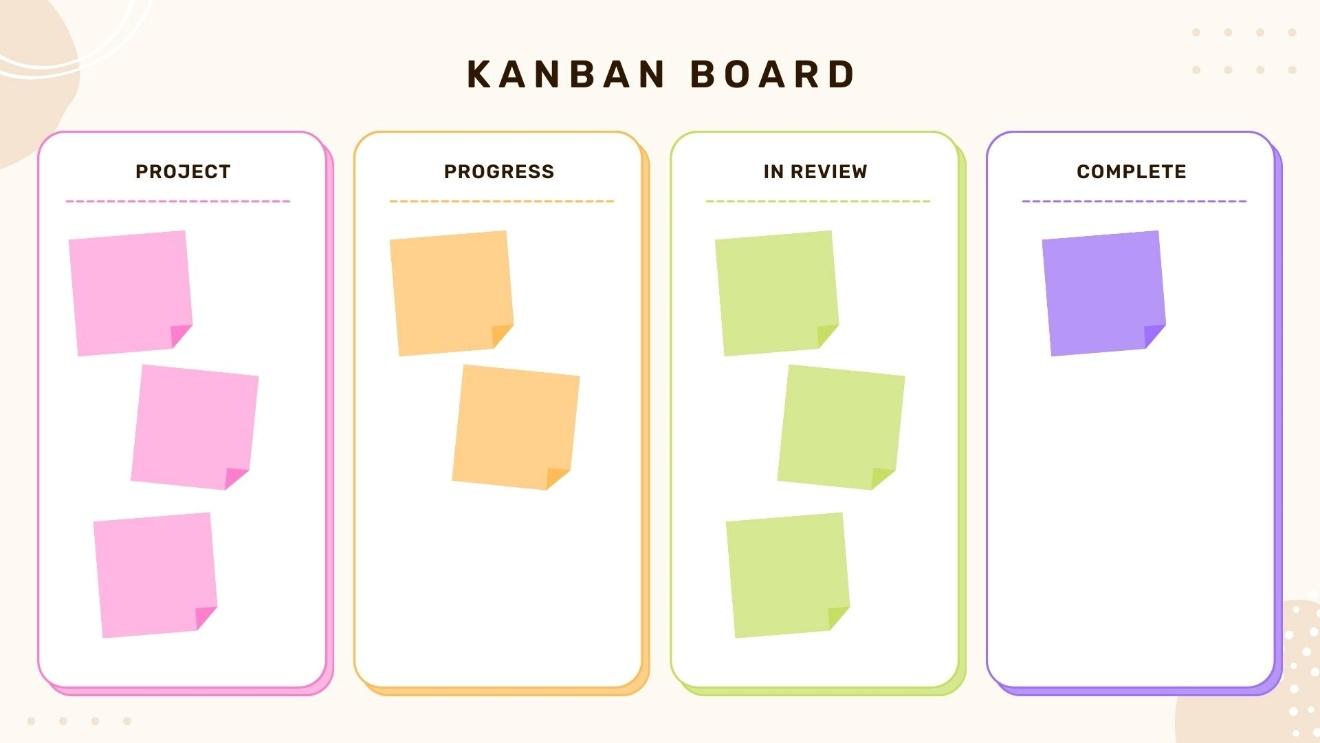
Kanban methodology originated from the Toyota Production System (TPS) and emphasizes visualizing workflow, limiting work in progress (WIP), and continuous delivery.
Kanban utilizes a Kanban board to visualize tasks at every stage of the workflow, from backlog to done.
Teams using Kanban have no fixed iterations but instead, aim for a steady flow of work delivery through continuous improvement.
Scrum
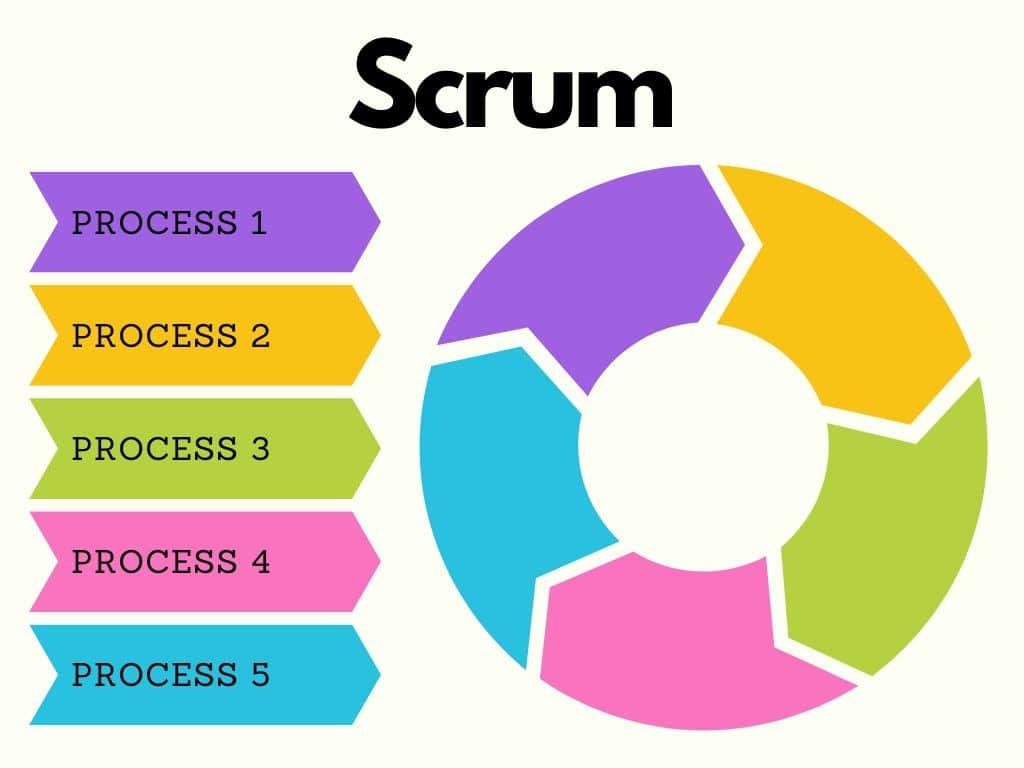
Scrum, on the other hand, is a time-boxed approach that divides projects into short iterations known as sprints.
During each sprint, teams work on a set of prioritized tasks and deliver a potentially shippable product increment at the end.
At the beginning of each sprint, there is a planning session where tasks are selected from the product backlog and assigned to team members.
Key Differences Between Kanban and Scrum
While both methodologies share similar goals, they have notable differences in their implementation.
Team Structure
Scrum teams consist of a small group of cross-functional members, including a product owner, scrum master, and development team.
In contrast, Kanban does not have defined roles or team structure, allowing for more flexibility in team composition.
Work Management
Kanban focuses on visualizing and limiting the work in progress to ensure a continuous flow of tasks.
Scrum, on the other hand, prioritizes and assigns tasks within a defined time frame to deliver a working increment at the end of each sprint.
Planning Approach
Scrum follows a more structured planning approach with set meetings such as daily standups and sprint reviews.
Kanban allows for continuous planning and flexibility in adding or removing tasks from the board as needed.
Timeboxing
Scrum is based on timeboxing, with sprints usually lasting between 2-4 weeks.
Kanban does not have set time frames and focuses on completing work as it becomes available.
Continuous Improvement
Both methodologies promote continuous improvement but in different ways.
Scrum encourages retrospectives at the end of each sprint to reflect on what went well and what can be improved.
Kanban focuses on making incremental changes to optimize workflow continuously.
Factors to Consider When Choosing Between Kanban and Scrum
- Team size and composition: Kanban may be more suitable for smaller or more flexible teams, while Scrum works well for larger, cross-functional teams.
- Type of project: Projects with constantly changing requirements may benefit from the flexibility of Kanban, while Scrum is better suited for projects with a clear goal and defined deadlines.
- Time frame: If strict time constraints are a concern, Scrum’s timeboxing approach may be more effective.
- Project complexity: For complex projects with many interdependent tasks, Scrum’s structured planning and prioritization may be more efficient.
- Team experience: The level of experience and familiarity with agile methodologies within the team should also be taken into consideration when choosing between Kanban and Scrum.
The Best Fit for Entrepreneurs
Entrepreneurs often have limited resources and need to be able to adapt quickly to changes in their business. For this reason, Kanban is often the preferred methodology for entrepreneurs. It allows for maximum flexibility and quick response to changing priorities or market demands.
Additionally, Kanban’s focus on continuous improvement aligns well with the entrepreneurial mindset of constantly seeking ways to optimize processes and increase efficiency.
However, Scrum can also be effective for entrepreneurs with larger teams and more structured projects.
Ultimately, the best fit for entrepreneurs will depend on their specific business needs and team dynamics. So whether you are an entrepreneur or a part of an established organization, carefully considering these factors can help you determine which agile methodology is the right fit for your project.
Final Words
In conclusion, both Kanban and Scrum are powerful agile methodologies that can help teams to deliver high-quality projects in a dynamic environment.
Each has its unique strengths and can be tailored to fit the specific needs of a project. It is important for teams to carefully evaluate their project requirements and team dynamics before deciding on which methodology to implement.
By understanding the fundamental principles and differences between Kanban and Scrum, teams can make an informed decision that will ultimately lead to increased productivity and success.
So whether you are new to agile methodologies or looking to improve your current process, consider incorporating elements from both Kanban and Scrum to create a hybrid approach that works best for your team.

