
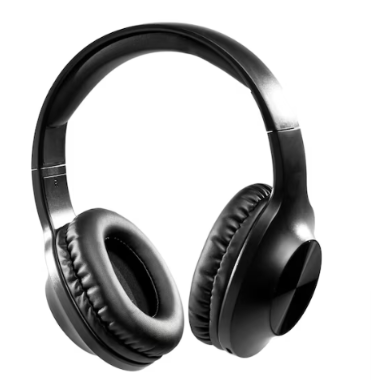
Audio technology has changed considerably over the years, giving people more ways to enjoy music, podcasts, films, and conversations. One of the most noticeable developments is the growth of wireless headphones, which allow users to listen without being physically connected to their devices. What was once a convenient alternative to traditional wired equipment has become a common choice for people who value mobility, modern features, and simple everyday use.
Today’s wireless headphones offer much more than cable-free listening. Improvements in Bluetooth connectivity, sound processing, battery performance, and noise control have made them useful in different situations. Whether someone is commuting, exercising, working remotely, or relaxing at home, these devices provide a flexible listening experience that continues to improve as technology develops.
Table of Contents
From Early Headphones to Wireless Listening
The history of headphones goes back to the late 19th century, when early designs were used in telephone communication and other specialised applications. These devices were often large and uncomfortable compared with modern products. Their main purpose was to allow users to hear audio privately or communicate over a connection rather than provide an enjoyable music-listening experience.
As radio, recorded music, and personal audio players became more common, headphones gradually became smaller and more accessible. Manufacturers improved their designs to provide better sound and greater comfort. Wired models remained the standard for many years, but the development of wireless communication eventually opened the door to a different way of listening.
The introduction of Bluetooth technology helped make wireless headphones more practical for everyday consumers. Users no longer needed to manage a cable connected to their phones or computers. This change was especially useful for people who wanted to move freely while listening to music or taking calls.
Bluetooth Technology and Better Connectivity
Bluetooth is one of the main technologies behind modern wireless headphones. It allows compatible devices to exchange audio signals over short distances without a physical cable. Over time, Bluetooth standards have improved in areas such as connection stability, power efficiency, and supported features.
Newer Bluetooth versions can offer improvements over older ones, although the actual experience depends on the headphones, connected device, and supported Bluetooth profiles. A newer version alone does not automatically guarantee better sound quality. Other factors, including audio codecs and hardware design, also influence performance.
Many wireless headphones now support features such as multipoint connectivity, which allows compatible models to connect to more than one device. This can be useful for someone who switches between a laptop and smartphone throughout the day. Instead of repeatedly pairing the headphones, users may be able to move between supported devices more conveniently.
Noise Cancellation for More Focused Listening
Background noise can make listening difficult, particularly in busy public places, offices, and shared environments. Noise-cancelling technology has become an important feature in many modern headphones because it helps reduce unwanted sounds.
Active noise cancellation works through microphones that detect surrounding noise and electronic processing that produces sound designed to counter it. This can reduce certain continuous sounds, such as the hum of an aircraft or air conditioning system. Its effectiveness varies depending on the headphone design and the type of noise being encountered.
Passive noise isolation also contributes to a quieter listening experience. It relies on the physical design of ear cups or ear tips to block some external sounds. Many headphones combine passive isolation with active noise cancellation to provide additional noise reduction.
These features can be useful for commuters, office workers, and travellers who want to concentrate on their audio. However, users should remain aware of their surroundings when walking near traffic or in other situations where hearing external sounds is important. Some models include transparency or ambient sound modes that allow outside audio to pass through when needed.
Improvements in Sound Quality and Audio Codecs
Sound quality remains one of the most important considerations when choosing headphones. Wireless audio has improved significantly, giving listeners access to detailed sound without requiring a traditional cable connection. However, the final listening experience depends on several factors, including the headphone drivers, audio source, wireless codec, and personal sound preferences.
Audio codecs such as AAC, aptX, and LDAC are used by different devices to encode and transmit audio over Bluetooth. Each has its own technical characteristics, and support must be available on both the headphones and the connected device for a particular codec to be used. The presence of a high-quality codec can help support better wireless audio performance, but it does not guarantee that every recording will sound the same across different headphones.
Speaker drivers also play an important role. These components convert electrical signals into sound, and their size, materials, and construction influence how audio is reproduced. Manufacturers adjust driver designs to create different sound profiles, from stronger bass to clearer vocals and more balanced high frequencies.
For everyday listeners, the best sound profile often comes down to personal taste. Some people enjoy powerful bass for electronic and dance music, while others prefer a more balanced presentation for podcasts, acoustic recordings, and films.
Battery Performance and Everyday Convenience
Battery life is another area where wireless headphones have improved. Many modern models can provide several hours of listening on a single charge, while larger over-ear designs may offer longer playback depending on their features and usage settings. Active noise cancellation, high volume levels, and wireless connection settings can all affect battery performance.
Charging cases make smaller wireless earbuds particularly convenient. They provide additional power when the earbuds are stored, reducing the need to connect them to a charger after every listening session. Some headphones also support fast charging, allowing users to gain additional listening time after a relatively short charging period.
These improvements make wireless headphones easier to include in daily routines. However, battery capacity naturally changes over time, and users should consider charging requirements when choosing a model. Good charging habits and proper storage can help maintain the device, although rechargeable batteries will eventually experience some loss of capacity.
Comfort and Design for Different Lifestyles
Technology is only useful when a product is comfortable enough to wear. Manufacturers now offer wireless headphones in different shapes and sizes to suit a wide range of users. Over-ear models cover the ears and often include padded cushions, while on-ear designs rest directly against the ears. Wireless earbuds provide a smaller option for people who prefer something lightweight and easy to carry.
Materials and construction influence how comfortable headphones feel during extended use. Adjustable headbands, soft ear cushions, breathable materials, and lightweight frames can make a difference during long listening sessions. For earbuds, the fit of the ear tips is especially important because it affects both comfort and sound isolation.
Convenience features also continue to develop. Touch controls allow users to manage playback and calls without reaching for their phones, while voice assistant support can provide hands-free access to certain functions. Some models include automatic pause features that stop playback when the headphones are removed. These additions help make everyday listening more convenient, although their availability varies between products.
Making More Sustainable Audio Choices
As demand for personal electronics increases, environmental impact has become an important part of product development. Wireless headphones contain electronic components, plastics, metals, and rechargeable batteries, all of which require resources to manufacture. When devices are discarded improperly, they can contribute to electronic waste.
Some manufacturers are responding by using recycled materials, reducing packaging, and introducing recycling or trade-in programmes. Certain products are also designed with replaceable components, such as ear cushions or batteries, which may help extend their useful life. These practices vary between brands and models, so consumers should check product information rather than assume every headphone includes them.
Users can also make more responsible choices by taking care of their devices and avoiding unnecessary replacements. Keeping headphones clean, storing them safely, and using suitable charging equipment can help protect them from avoidable damage. Choosing a durable product that meets long-term needs can be more practical than frequently purchasing new devices.
What the Future May Bring for Wireless Audio
Wireless audio technology is likely to continue developing as manufacturers explore better sound processing, smarter controls, and improved connections with other devices. Artificial intelligence may play a larger role in personalising listening settings, adjusting sound based on the surrounding environment, or improving voice clarity during calls.
There is also growing interest in spatial audio, which creates a more three-dimensional listening experience. When supported by compatible headphones and content, this technology can make music, films, and games feel more immersive. Augmented reality and virtual reality applications may also create new opportunities for headphones to provide location-based sound and more realistic digital environments.
Future developments will depend on improvements in hardware, software, battery efficiency, and wireless standards. Rather than replacing every existing audio product, these changes are likely to give consumers more options for different activities and preferences.
Choosing Wireless Headphones That Match Your Needs
The development of wireless headphones reflects a wider shift towards technology that makes everyday activities more convenient. Better connectivity, improved audio processing, noise cancellation, and longer battery performance have made wireless listening suitable for many different situations.
Still, choosing the right model requires more than looking at the newest features. Buyers should consider sound quality, comfort, battery life, device compatibility, microphone performance, and budget. A commuter may prioritise noise cancellation, while someone working from home may place greater importance on microphone clarity and multipoint connectivity.
As audio technology continues to advance, wireless headphones will remain an important part of how people interact with digital entertainment and communication. Their combination of convenience, evolving features, and flexible designs shows how far personal audio has progressed and how much potential remains for future improvements.

