
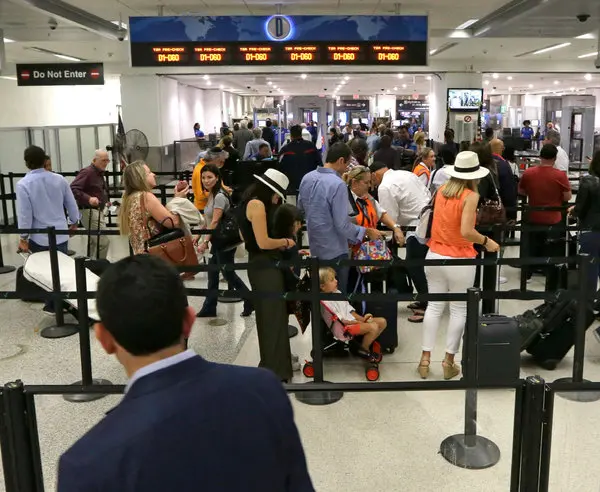
Business travel is often handled as its own category of risk. Trips get approved, itineraries get reviewed, and support is added when a destination raises concern. That process can work for routine movement, but it often leaves travel disconnected from the wider security function. A stronger travel security model works as part of a larger program, not as a separate task managed only when a trip appears risky.
That distinction affects more than planning. It affects who reviews exposure, how incidents are escalated, what monitoring is in place, and whether leadership has a consistent way to manage traveler safety across the organization.
Table of Contents
Travel Security Is Not Just a Trip-by-Trip Function
Many companies still handle travel risk one trip at a time.
A traveler is going abroad. The destination is reviewed. Basic guidance is shared. Ground details are confirmed. If the trip looks higher risk, extra support may be added. If it looks routine, the process stays light.
That method can create uneven results. One business unit may plan well, while another may rely on last-minute decisions. One executive may receive a detailed review, while another gets a short email and a contact number. Once that happens, the quality of support depends too much on who is involved in the trip.
A broader corporate security program creates consistency. It gives the organization a repeatable way to assess travel, define thresholds, assign responsibility, and support travelers before conditions become urgent.
Travel Risk Connects to Other Security Functions
Travel security does not operate in isolation.
A single trip can involve destination analysis, traveler monitoring, executive exposure, incident response, communications planning, and post-incident reporting. Those functions already sit close to the rest of the corporate security environment. When they are disconnected, travel planning gets weaker.
For example, an executive trip may raise questions that go beyond logistics:
- Is there recent online hostility tied to the traveler?
- Does the trip involve a sensitive meeting or public appearance?
- Who reviews alerts if local conditions change?
- What happens if movement is disrupted mid-trip?
- Who updates leadership if the issue affects a senior executive?
Those are not stand-alone travel questions. They sit inside a wider security structure that includes protective intelligence, escalation, monitoring, and reporting.
A Program Approach Improves Pre-Trip Planning
Travel support improves when the organization uses common standards before departure.
That means trips are reviewed through a shared framework instead of being handled informally by different teams. The framework may vary by company, but it usually includes the same core areas:
- destination conditions
- traveler profile
- purpose of travel
- timing and local developments
- transportation and route planning
- escalation thresholds
- communications and emergency contacts
When travel sits inside a larger program, those reviews are easier to standardize. The organization does not have to rebuild its process for each trip. It already has a way to decide which trips need added review, which travelers need more support, and when security should step in earlier.
Executive Travel Works Better Inside a Program Structure
This is even more important for senior leaders.
Executive travel often brings added exposure because the traveler is more visible, the schedule is tighter, and the business impact of disruption is higher. That does not mean every executive trip needs heavy protection. It does mean the trip should sit inside a structure that can evaluate traveler-specific risk and respond quickly when conditions change.
Without that structure, executive travel can become too dependent on ad hoc planning. One assistant may know the right process. Another may not. One team may flag reputational exposure before a public appearance. Another may focus only on the hotel and vehicle plan.
A corporate security program reduces that inconsistency. It gives executive support teams a clearer path for when to involve security, what information to review before travel, and how to escalate concerns once a trip is underway.
Monitoring Has More Value When It Is Tied to the Full Program
Travel alerts and monitoring are useful on their own, but they become much more effective when they connect to a wider operating model.
An alert about unrest near a hotel does not solve the problem by itself. Someone still has to assess relevance, validate the traveler’s location, decide whether movement should change, and notify the right internal stakeholders. That work depends on ownership and process.
This is one reason travel security fits naturally inside a broader corporate program. Monitoring only works well when there is a defined path from awareness to action. That path is easier to build when the organization already has established escalation standards, reporting lines, and response roles in place.
Travel Incidents Should Feed Back Into Program Oversight
Another advantage of a program-based approach is that travel incidents do not end with the trip.
If a traveler encounters a disruption, security concern, route failure, or communications problem, that event should inform future planning. The organization should be able to review what happened, where the process held up, and what needs to change before the next trip.
That loop is hard to maintain when travel is treated as a one-off function. The incident gets handled, then the lesson stays with a small group of people instead of feeding into the broader security process.
A corporate model does more than support the traveler in real time. It also helps the organization improve over time through reporting, review, and clearer accountability. That is part of what a managed security program for corporations is designed to provide: structure around ownership, escalation, and leadership visibility instead of isolated security activity.
Leadership Benefits From a More Integrated Model
For leadership teams, the value of integration is practical.
COOs need a clearer view of how travel risk affects continuity and executive movement. General Counsel need confidence that the company is taking reasonable steps before and during travel. Chiefs of Staff and executive support teams need a process that is consistent enough to use under pressure.
When travel sits outside the larger security function, those stakeholders often receive uneven support. The planning may look thorough in one case and thin in the next. Documentation may exist for one trip and not for another. Escalation may be clear only after a disruption has already happened.
A broader program reduces those swings. It gives leadership a more defensible and repeatable way to manage travel-related exposure across the organization.
Travel Security Works Best When It Is Built Into the Operating Model
The strongest travel support is not just reactive assistance during a trip. It is part of how the organization manages risk overall.
That means travel planning connects to the same security foundation used elsewhere in the business:
- defined ownership
- escalation protocols
- real-time monitoring
- traveler-specific risk review
- leadership reporting
- post-incident follow-up
When those pieces are aligned, travel support becomes more reliable. The organization is better prepared before departure, more coordinated during the trip, and better positioned to review issues after the traveler returns.
Conclusion
Travel security works best when it is treated as one part of a broader corporate security program.
Trips may happen one at a time, but the process behind them should not be rebuilt each time from scratch. A stronger model gives the organization shared standards, clearer ownership, and better coordination across planning, monitoring, escalation, and review.
That is what turns travel support from a reactive service into a more dependable part of the company’s overall security posture.

