
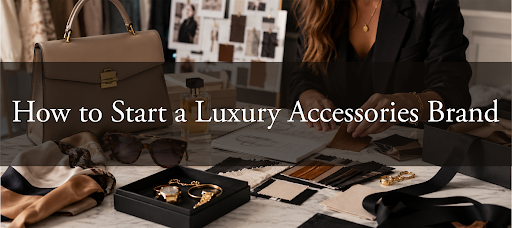
Starting a luxury accessories brand can be a powerful business idea if you understand what premium customers expect. Luxury accessories are not only about fashion or style. They are about identity, confidence, quality, craftsmanship, and emotional value. Customers buy luxury accessories because they want products that feel refined, personal, and worth keeping.
In markets like the USA, luxury buyers are becoming more selective. They want products that look beautiful, last longer, and tell a clear brand story. Accessories such as jewelry, handbags, wallets, watches, belts, sunglasses, scarves, hair accessories, leather goods, and premium tech accessories can all become strong luxury products when they are designed and presented correctly.
Building a luxury accessories brand requires more than launching attractive products. You need a clear brand position, high-quality materials, strong packaging, professional photography, a premium website, and a customer experience that feels polished from beginning to end.
Table of Contents
Understand the Luxury Accessories Market
Before starting your brand, study the luxury accessories market carefully. Customers in this category do not only compare prices. They compare design, quality, brand story, materials, exclusivity, packaging, and overall experience. A luxury accessory must feel special before the customer even wears or uses it.
The U.S. fashion accessories market has strong long-term growth potential, with online retail playing a major role in how customers discover and buy accessories. Jewelry is also a major category because it connects strongly with personal identity, gifting, and self-expression. This means new brands can still enter the market if they offer something distinctive and well-positioned.
To succeed, you should understand what your target customer wants. Some customers want classic and timeless pieces. Others want modern, bold, or statement accessories. Some care about handmade quality, while others care about sustainability, personalization, or limited-edition designs.
Choose a Clear Product Niche
Luxury accessories is a broad category, so it is better to start with a focused niche. Trying to sell jewelry, bags, belts, sunglasses, and scarves all at once can make your brand look unclear. A focused product line helps customers understand your identity faster.
You can start with one category such as minimalist jewelry, premium leather wallets, luxury hair accessories, handmade scarves, designer phone cases, watch straps, or high-end travel accessories. Once your brand builds trust, you can expand into related products.
Your niche should match your audience and brand story. For example, a luxury leather accessories brand can focus on durability and craftsmanship. A jewelry brand can focus on elegance, symbolism, and personal meaning. A premium tech accessory brand can focus on modern design, protection, and lifestyle.
Build a Strong Brand Identity
Brand identity is one of the most important parts of a luxury accessories business. Your logo, colors, typography, packaging, website, product photography, and social media content should all feel connected. Luxury customers notice consistency.
A premium brand does not need to be loud. Many luxury brands use clean design, strong spacing, limited colors, and refined typography. The goal is to look confident and intentional, not crowded or overly decorative.
Your brand identity should communicate what makes your accessories special. Are they handcrafted? Minimalist? Bold? Sustainable? Timeless? Limited edition? Designed for professionals? Created for gifting? Your identity should answer these questions clearly.
Focus on Quality Materials and Craftsmanship
Luxury accessories must feel high quality in the hand. Customers can often tell the difference between cheap materials and premium materials quickly. Whether you use leather, metal, fabric, glass, wood, resin, plating, stones, or hardware, the material should match your brand promise.
Quality also includes finishing. Edges should be clean, stitching should be neat, clasps should feel secure, and surfaces should feel smooth. If your product looks premium in photos but feels weak in real life, customers will not return.
Before launching, order samples and test them carefully. Check durability, comfort, color accuracy, weight, packaging fit, and long-term use. A luxury brand must protect its reputation from the beginning.
Create a Signature Design Style
A strong luxury accessories brand should have a recognizable design style. Customers should be able to look at your product and feel that it belongs to your brand. This does not mean every product must look the same, but there should be a clear visual language.
Your signature style can come from shapes, textures, colors, materials, logo placement, hardware, patterns, or packaging. For example, a jewelry brand may use clean geometric lines. A leather brand may use a signature stitch or embossed mark. A luxury hair accessory brand may use specific color tones and polished finishes.
A signature style helps your brand become memorable. It also helps customers recognize your products in photos, videos, and retail displays.
Use Packaging to Build Premium Perception
Packaging plays a major role in luxury accessories because customers often judge the product before using it. A premium accessory should not arrive in basic or careless packaging. The box should support the value of the product and make the customer feel that they bought something special.
For new luxury brands, custom printed rigid boxes can help create a stronger first impression. These boxes are durable, structured, and ideal for accessories such as jewelry, wallets, belts, watches, scarves, sunglasses, and gift items. With clean printing, logo placement, inserts, and premium finishes, rigid packaging can make a new brand look more established and professional.
Good packaging also helps with product photography, influencer unboxing, gifting, and customer retention. When customers receive packaging that feels high-end, they are more likely to remember the brand.
Design a Memorable Unboxing Experience
Luxury accessories should create a smooth and memorable unboxing experience. The customer should feel excitement from the moment they open the box. This experience can include tissue paper, soft pouches, care cards, thank-you notes, branded stickers, ribbons, product guides, or QR codes.
The inside of the package should look clean and organized. Jewelry should not arrive tangled. Sunglasses should not move around loosely. Wallets, watches, scarves, or belts should be placed neatly. Every item should feel protected and carefully presented.
A strong unboxing experience also helps your brand on social media. Customers and influencers are more likely to share products that look beautiful when opened.
Price Your Products Strategically
Luxury pricing should reflect product quality, materials, packaging, branding, marketing, and profit margin. Do not price only based on production cost. Premium customers are paying for the full brand experience, not just the physical item.
However, your price must still feel justified. If you charge luxury prices, the product, packaging, website, photography, and service must all support that price. Customers should feel that every detail matches the value.
You can also create different price levels. For example, entry-level accessories can attract new customers, while limited-edition or premium collections can target higher-spending buyers.
Build a Premium E-commerce Website
Your website is your digital storefront. For a luxury accessories brand, it should look clean, fast, mobile-friendly, and easy to use. The design should match your brand identity and make shopping feel smooth.
Your product pages should include clear product images, material details, size information, care instructions, packaging details, shipping information, and return policy. Since customers cannot touch the product online, your website must answer their questions through visuals and descriptions.
Use SEO-friendly content to attract organic traffic. Blog topics like “how to choose luxury accessories,” “best gift ideas for women,” “how to care for leather accessories,” or “why packaging matters for premium gifts” can help bring relevant visitors to your site.
Invest in Professional Photography
Luxury products need luxury visuals. Poor photography can make even a beautiful accessory look cheap. Use professional lighting, clean backgrounds, close-up shots, lifestyle images, and product detail photos.
Show texture, size, finish, and packaging. If you sell jewelry, show how it looks when worn. If you sell wallets or bags, show interior details. If you sell sunglasses or watches, show close-ups of hardware and materials.
Your photos should help customers imagine the product in their lifestyle. Strong visuals can improve website conversions, social media engagement, and ad performance.
Use Drawer Packaging for a Premium Reveal
The opening style of packaging can add a lot to the luxury experience. Some products feel more special when the box opens slowly and reveals the accessory in a clean, organized way.
For premium accessories, Custom Drawer Rigid Boxes can create a smooth and elegant reveal. Drawer-style packaging works well for jewelry, watches, sunglasses, wallets, belts, scarves, and gift sets. The sliding drawer effect makes the unboxing feel more refined and interactive, which supports a luxury brand image.
Drawer boxes also allow brands to use inserts, product cards, and soft materials inside the tray. This helps keep the product secure while improving the presentation.
Create a Strong Launch Strategy
A luxury accessories launch should feel planned and exclusive. Build anticipation before the launch through social media teasers, email signups, behind-the-scenes content, product previews, and influencer seeding.
You can launch with a small collection instead of too many products. A focused launch often feels more premium because it looks curated. Limited quantities, early access, pre-orders, and founder stories can also create excitement.
Work with influencers, stylists, fashion bloggers, gift guide editors, and lifestyle creators who match your brand. Micro-influencers can be useful because they often have engaged and trusted audiences.
Build Trust Through Reviews and Social Proof
New luxury brands need trust. Customers may hesitate to buy from a brand they do not know, especially at a higher price. Reviews, testimonials, influencer content, press mentions, customer photos, and clear policies can reduce that hesitation.
Encourage early customers to share reviews and photos. Show real product use on your website and social media. If your packaging is attractive, ask customers to share unboxing content.
Trust grows when customers see that other people had a positive experience with your brand.
Offer Excellent Customer Experience
Luxury branding does not stop after the product is sold. The customer experience must feel premium from checkout to delivery and aftercare. Clear communication, fast responses, careful packaging, easy returns, and helpful support all matter.
You can also offer care guides, repair options, replacement parts, personalization, or loyalty rewards. These details help customers feel that your brand values long-term relationships.
Premium customers expect service that matches the product. If the product is beautiful but the support is weak, the brand experience becomes incomplete.
Final Thoughts
Starting a luxury accessories brand requires clear positioning, quality products, strong branding, and a premium customer experience. Customers are not only buying an accessory. They are buying style, confidence, identity, and emotional value.
To stand out, focus on a clear niche, high-quality materials, professional design, premium packaging, strong photography, and consistent storytelling. Every detail should support the feeling of luxury.
A successful luxury accessories brand makes customers feel that the product is worth owning, gifting, and remembering. When your product looks premium, feels well-made, arrives beautifully packaged, and delivers a polished experience, customers are more likely to trust your brand and come back again.

