
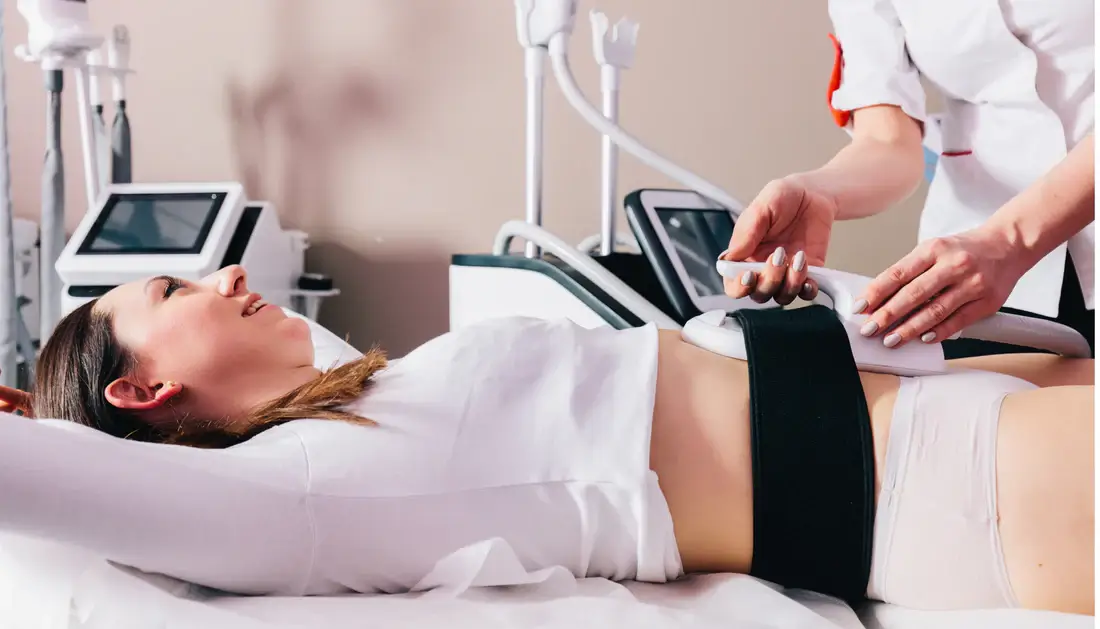
You need a machine that matches your clinic’s goals, safety standards, and budget. Focus on certifications, treatment power (Hz and intensity control), multi-zone applicators, and reliable after-sales support to find the best EMS sculpting machine for your needs.
This guide shows how to compare specs, test user experience, and weigh total cost of ownership so you buy a device that works well and lasts. Follow the steps here to pick a model that fits your practice, patients, and workflow.
Table of Contents
Understanding EMS Sculpting Machines
These devices use electrical or electromagnetic energy to trigger strong muscle contractions and help tone and reduce fat. You’ll learn what the machines do, how the tech works, and the main benefits for clinics and clients.
What Is an EMS Sculpting Machine
An EMS sculpting machine sends controlled electrical pulses through electrodes to make muscles contract. Professional units use stronger outputs and larger pads than consumer devices so they reach deep muscle groups safely.
Many systems combine EMS with HIFEM (high-intensity focused electromagnetic) technology. That lets you target areas like the abdomen and glutes for faster results than exercise alone. Clinics choose medical-grade machines for longer run times, multi-channel treatments, and safety features like impedance monitoring and emergency shut-off.
How EMS and HIFEM Technologies Work
EMS uses electrical currents to activate motor nerves and cause repeated muscle contractions. HIFEM uses magnetic fields to induce supramaximal contractions—more powerful than voluntary exercise.
These supramaximal contractions force muscle fibers to adapt by increasing muscle thickness and strength. Some machines add RF heating to warm fat and tighten skin, improving fat reduction when paired with contractions. Controls let you adjust frequency, pulse width, and intensity for comfort and clinical goals.
Key Benefits of EMS Body Sculpting
You can expect muscle growth and improved tone without surgery. Treatments often target stubborn areas that resist exercise.
The combination of muscle stimulation and optional RF heating can also reduce localized fat and improve skin firmness. For clinics, benefits include short treatment times, non-invasive sessions, and the ability to offer a clear, repeatable protocol that attracts clients seeking body contouring results.
Essential Factors for Sourcing the Best EMS Sculpting Machine
Focus on power and intensity, which control muscle contraction and treatment depth. Check which body areas the device covers, which technology it uses, and whether it has safety certifications like FDA clearance or CE marking.
Evaluating Stimulation Power and Adjustable Intensity
Power output and adjustable intensity levels determine how strong and effective muscle contractions feel. Look for devices that list magnetic flux density or peak power in their specs. Higher flux or wattage often gives deeper, supramaximal contractions that build muscle more efficiently.
You need fine-grained intensity control. Choose a machine with multiple preset programs plus manual steps. That helps you match settings to patient comfort, training level, and treatment area. Safety cutoffs and gradual ramping reduce pain and risk.
Coverage of Targeted Body Areas
Confirm which applicators reach common targets: abdomen, buttocks, thighs, arms. Wider paddles or multiple applicators let you treat larger areas at once. Portability matters if you move devices between rooms.
Check applicator shape and contact surface. Good contact improves energy delivery and consistent muscle contraction. Also verify simultaneous multi-area operation if you plan back-to-back treatments.
Technology Types: EMS, HIFEM, and RF
Know the difference: EMS uses electrical pulses for low-level muscle activation. HIFEM (high-intensity focused electromagnetic) produces supramaximal contractions without electrical current through skin. RF adds heating to target fat and tighten skin; HIFEM + RF combos (like EmShape Neo-style systems) give muscle and fat effects together.
Pick technology based on goals. Want muscle tone only? HIFEM is best. Want fat reduction plus tightening? Choose HIFEM + RF combo. Read clinical data for each device, not just marketing claims.
Safety Features and Certifications
Verify FDA clearance or CE marking for the device and intended treatment areas. Check for built-in safety features: temperature monitoring for RF, automatic shutoff for overload, and skin sensors for contact quality.
Ask about training, warranty, and post-sale technical support. Proper user training reduces misuse. Keep records of maintenance and software updates to stay compliant and safe.
Comparing Key Features and User Experience
Choose devices with clear controls, reliable electrodes, and reachable support. Look for real customer feedback on comfort, pad life, and warranty response.
Ease of Use and Interface
You should be able to start a session in under two minutes. Look for a touchscreen or simple dial, labeled presets for abs, glutes, and arms, and easy intensity steps that change by small increments. Devices like professional EMS sculpt units and portable EMS models vary—clinic systems often have deeper customization, while home units limit max intensity for safety.
Check that the display shows intensity, time, and active channels. Menus should not hide safety cutoffs or electrode placement guidance. Good user experience reduces setup time and improves patient satisfaction.
Portability and Design
Decide if you need a compact portable EMS or a multi-channel clinic tower. Portable EMS units should weigh under 2 kg, have a rechargeable battery, and include a travel case. Clinic machines favor sturdy build, wheels, and multiple output ports.
Consider cable length, pad storage, and cooling needs. A streamlined design with labeled connectors speeds treatments and lowers maintenance. Look at customer feedback for durability and real-world handling.
Consumables: Pads and Accessories
Electrode pads determine session quality. Choose medical-grade adhesive pads that list expected uses (30–50 sessions typical) and have clear cleaning instructions. Check availability of branded pads versus universal replacements and compare per-session cost.
Keep spare cables, gel, and storage sheets on hand. User reviews often flag fast-wearing adhesive pads or hard-to-find replacements—these affect long-term cost and user satisfaction.
Warranty and After-Sales Support
You need a clear warranty and fast service. Prefer at least 12 months covering electronics and a separate policy for consumables. Verify repair turnaround times and local service options, especially for devices like Emslim Neo or other branded systems.
Look for vendor training, downloadable manuals, and responsive technical support channels. Customer feedback and patient satisfaction often hinge on how quickly issues get fixed and how easy maintenance routines are to follow.
Choosing the Right EMS Sculpting Machine for Your Needs
Pick a device that matches how you plan to use it, the areas you want to treat, and your budget. Focus on proven safety features, clear treatment protocols, and real results for muscle strength, core strength, and fat loss.
Professional vs. Home EMS Machines
Professional EMS machines deliver stronger pulses, larger applicators, and preset protocols for clinics. They target multiple muscle groups at once and give faster muscle training and body shape changes, but they cost more and require trained staff.
Home devices, like consumer EMS pads or brands similar to Slendertone, provide lower intensity for maintenance, core strength, and light muscle toning. They fit daily use and cost less, but expect slower results and less fat loss than clinic-grade gear.
Check FDA clearance or equivalent for safety. Look for intensity control, timer settings, and warranty whether you choose pro or home units.
Treatment Goals: Muscle Toning, Fat Loss, and Recovery
If your goal is muscle strength and tone, prioritize machines with adjustable intensity, multiple channels, and programs for hypertrophy and endurance. EMS sculpting machines that use HIFEM-like protocols work best for rapid muscle training.
For fat loss or body shape change, combine EMS with cryolipolysis or Diamond Ice Cryo sessions, since EMS alone offers limited fat reduction. Ask providers about clinical data showing fat loss per treatment area.
For recovery, low-frequency EMS aids circulation and reduces soreness. Choose devices with recovery modes and gentle pulse options to protect muscles and speed rehabilitation.
Comparing Leading Brands and Models
Compare specs: pulse intensity (mA), coverage area, applicator size, and program presets. Look for proven brands with clinical studies and clear service support.
Consider hybrid systems that pair EMS with other tech (e.g., cryo) for broader results. Read user reviews about durability and real-world muscle training outcomes. Prioritize machines that list expected session length, maintenance needs, and replacement part costs.

