
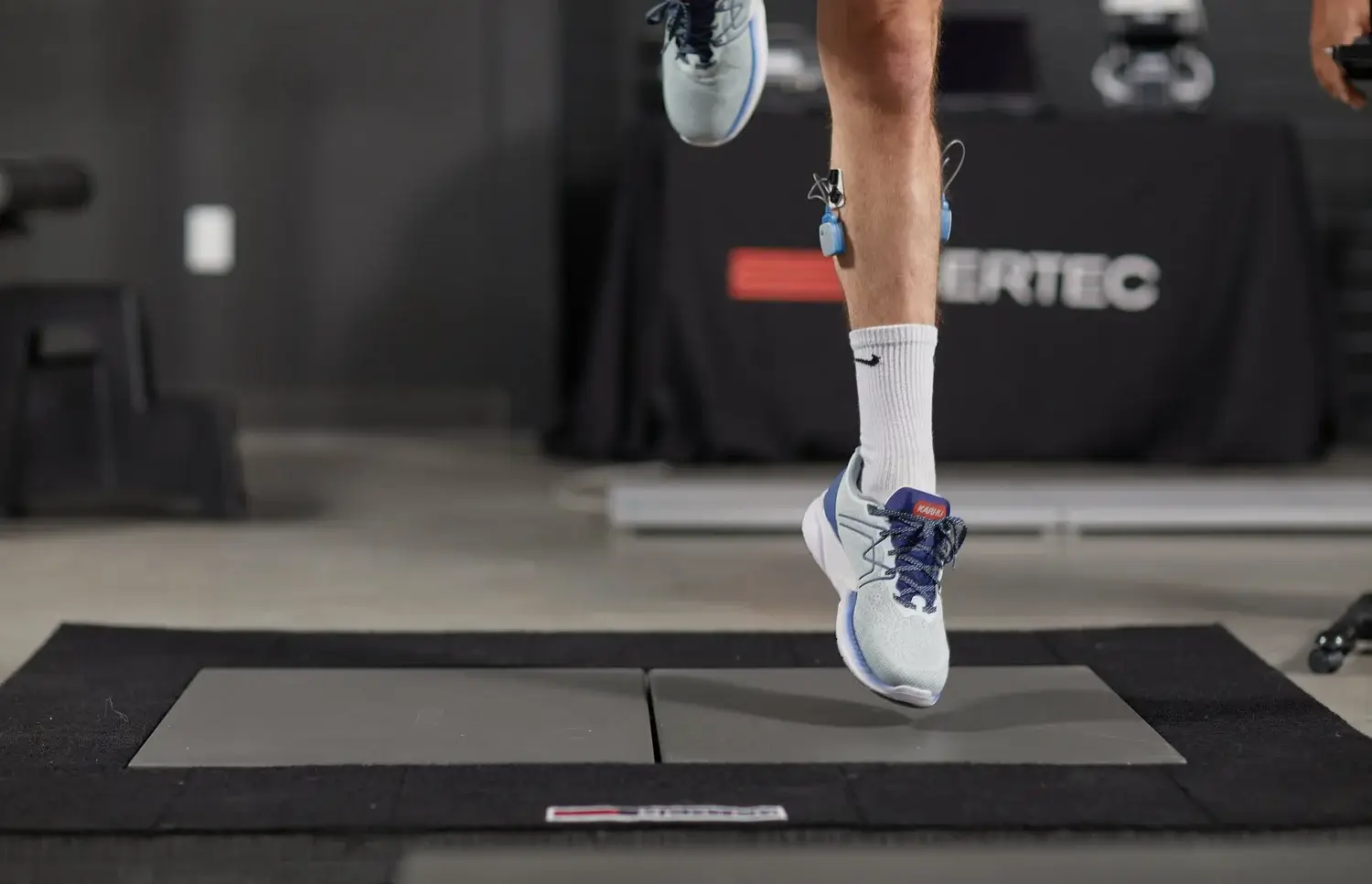
Selecting a measurement platform for gait and balance work calls for clear priorities and practical expectations. A well-chosen system gives clinicians and coaches steady data that supports movement assessments, stance checks, and performance tracking. The right choice helps each user create a stable setup that feels easy to operate.
A force plate plays a central role in this process, since it captures load shifts and subtle motion cues. Picking the right model feels straightforward once a few key elements fall into place. The guide below offers practical points that support sound decisions.
Table of Contents
Know The Purpose Of The Platform
Every project leans on a clear mission, so the purpose of the load platform matters before anything else. Some teams need a plate that handles slow stance analysis, while others want a unit ready for quick actions and athletic drills. Each purpose shapes size, material, and sensor layout.
Clear intent also shapes expectations for precision and speed. A clinic centered on gait patterns needs gentle sensitivity, while a training space benefits from rapid sampling. With purpose aligned, each feature moves into sharper view.
Consider Sensor Quality And Sampling Capacity
A plate that gathers ground forces must read shifts with consistency. Sensor quality sets the tone for all readings, helping each test capture subtle directional changes. A pressure platform with accurate sensors supports smooth interpretation of motion.
Sampling capacity also shapes performance. A higher rate helps capture lively footwork and quick stance shifts. A moderate rate works well for calmer assessments that track controlled postures.
Look At Build Strength And Surface Design
A sturdy platform helps every user feel secure. Strong materials support repeated use in clinics, gyms, and lab settings. A durable frame also protects internal sensors during heavy sessions.
Surface texture matters as well. A stable top layer prevents slips and gives subjects a natural feel during trials. Grip patterns and steady contact help create reliable loading patterns across each stance test.
Match Platform Size To Movement Needs
Size affects comfort and accuracy. A narrow plate suits controlled stepping tasks, while a larger deck supports broad foot placements during dynamic drills. Each shape influences how subjects move during testing.
Placement within the room also shapes ease of use. Enough space around the platform supports free movement and smooth transitions during trials. This simple detail encourages natural motion.
Review Software Tools And Data Output
A load platform gains strength from its software. Clear dashboards help practitioners scan ground reaction forces and directional shifts without clutter. Simple visuals support fast interpretation of trials.
Export options matter for teams that compare sessions across time. Flexible formats support research groups as well as training environments. Smooth data handling encourages steady use of the platform.
A well-chosen system emerges from practical thinking that includes purpose, structure, sensor strength, and software tools. Each element contributes to steady testing sessions that capture meaningful movement details. The force plate supports gait and balance work when its features match real-world needs. Clear expectations guide the selection process and help professionals apply the platform with skill.

