

Table of Contents
Key Takeaways
- Understand different senior care options and their associated long-term costs.
- Evaluate both current and future care needs for yourself or a loved one.
- Research available financial assistance and cost-saving opportunities.
- Prioritize quality of care, accessibility, and family considerations.
- Compare communities thoroughly to make an informed and confident decision.
Understanding the Spectrum of Senior Care Options
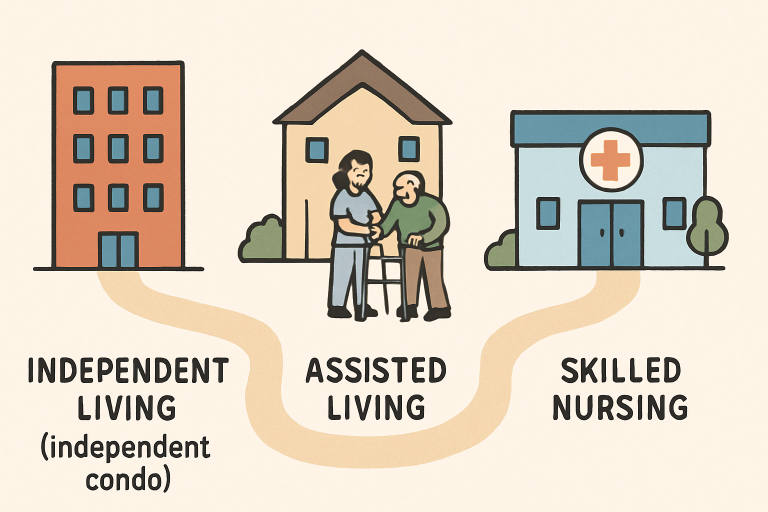
Choosing the right senior community is a complex process, influenced by evolving care needs and budget considerations. The spectrum of senior living options ranges from independent living—ideal for those seeking autonomy but minimal assistance—to assisted living, which supports residents with daily tasks, and skilled nursing facilities, offering 24/7 medical care. For families seeking specialized support, there are communities with a focused approach, such as alzheimer care Bergen County, NJ, that provide tailored services for memory care residents.
Each level of care comes with distinct environments, lifestyle amenities, and price structures. Understanding what is included in each, from meals and housekeeping to therapy and healthcare access, helps families align choices with both needs and budgets from the outset.
Evaluating the Financial Implications
Senior living costs can vary widely, typically dictated by the level of care provided. Independent living usually has the lowest costs, largely covering housing and communal amenities. Assisted living charges average around $4,500 per month, which includes support with grooming, medication management, and meals. Skilled nursing facilities, which cater to significant health needs, can exceed $6,700 per month. Review your current resources, including long-term care insurance options, and determine whether your assets or benefits will help offset these monthly expenses.
An overlooked aspect is the likelihood that needs and expenses will increase as residents age. Planning financially for more advanced care or a transition into skilled nursing helps families avoid tough decisions amid crises. According to the AARP, understanding and preparing for these “care escalations” leads to more sound financial management for aging loved ones.
Considering Location and Accessibility
Location shapes both the cost structure and day-to-day experience within a senior community. Urban centers typically feature higher costs but greater access to specialized healthcare, cultural events, and family members nearby. Rural settings may offer tranquility and lower fees, yet could pose challenges for regular family visits or speedy access to hospitals and specialty care. Balance the importance of proximity to loved ones and essential services against the community’s general reputation and access to robust medical support systems.
Remember, accessibility also encompasses how easily residents and families can reach the community and the integration with local healthcare providers. U.S. News & World Report recommends prioritizing access to emergency care, pharmacies, and rehabilitation centers when evaluating potential locations.
Assessing Quality of Care and Services
The quality of care in a senior community is measurably more important than amenities alone. Investigate staff credentials and training, pay attention to staff-to-resident ratios, and inquire about the staff’s turnover rate—high turnover can affect continuity and quality of care. Visit communities, observe interactions between residents and caregivers, and listen for answers that indicate respect and compassion for residents’ needs.
Consulting state inspection reports, available from health departments, can provide objective data on past compliance and quality assurance activities. Talking to current residents and their families offers first-hand insight that can clarify what you might experience in the community.
Exploring Financial Assistance Options
Navigating the costs of senior care is not something families have to do alone. Depending on eligibility, several financial programs offer significant support. Veterans and surviving spouses may be eligible for Aid and Attendance benefits, while Medicaid covers qualifying seniors who require skilled nursing care. Some nonprofit organizations and state-specific programs may also offer grants or subsidies for specialized care, including memory care communities and assisted living.
Suppose you’re considering applying for these programs. In that case, the National Institute on Aging provides detailed guidance on government and nonprofit resources that can help offset costs and expand choices for families seeking care.
Planning for Future Care Needs
Families are encouraged to anticipate the possibility that care needs may increase, necessitating a move to a community that offers a continuum of care. Continuing care retirement communities (CCRCs) offer residents access to multiple levels of support, often within the same campus, allowing them to transition smoothly as their health needs evolve without relocating or disrupting established routines.
Choosing a community that prioritizes seamless transitions between levels of care not only preserves relationships and stability but can also reduce long-term costs tied to frequent moves and re-evaluations.
Negotiating Costs and Services
Senior communities may offer flexibility in pricing and payment schedules, especially if you communicate your budget and care priorities upfront. Some offer introductory discounts, bundled service packages, or the ability to opt out of unnecessary services, lowering overall costs. Do not hesitate to ask about every fee; ensuring transparency helps families avoid surprises and fosters a good working relationship with the community.
Making an Informed Decision
The process of comparing senior communities is complex but rewarding when approached systematically. Use checklists to compare costs, services, care quality, and accessibility. Involve your loved one in decision-making, ensuring that personal preferences and social connections are valued alongside practical needs.
Although financial and healthcare considerations are critical, the right senior community should also feel like home—a place where safety, activity, comfort, and dignity are preserved throughout the aging journey. Bringing together diligent research, candid conversations, and proactive financial planning leads to choices that support both short-term well-being and long-term peace of mind.

