
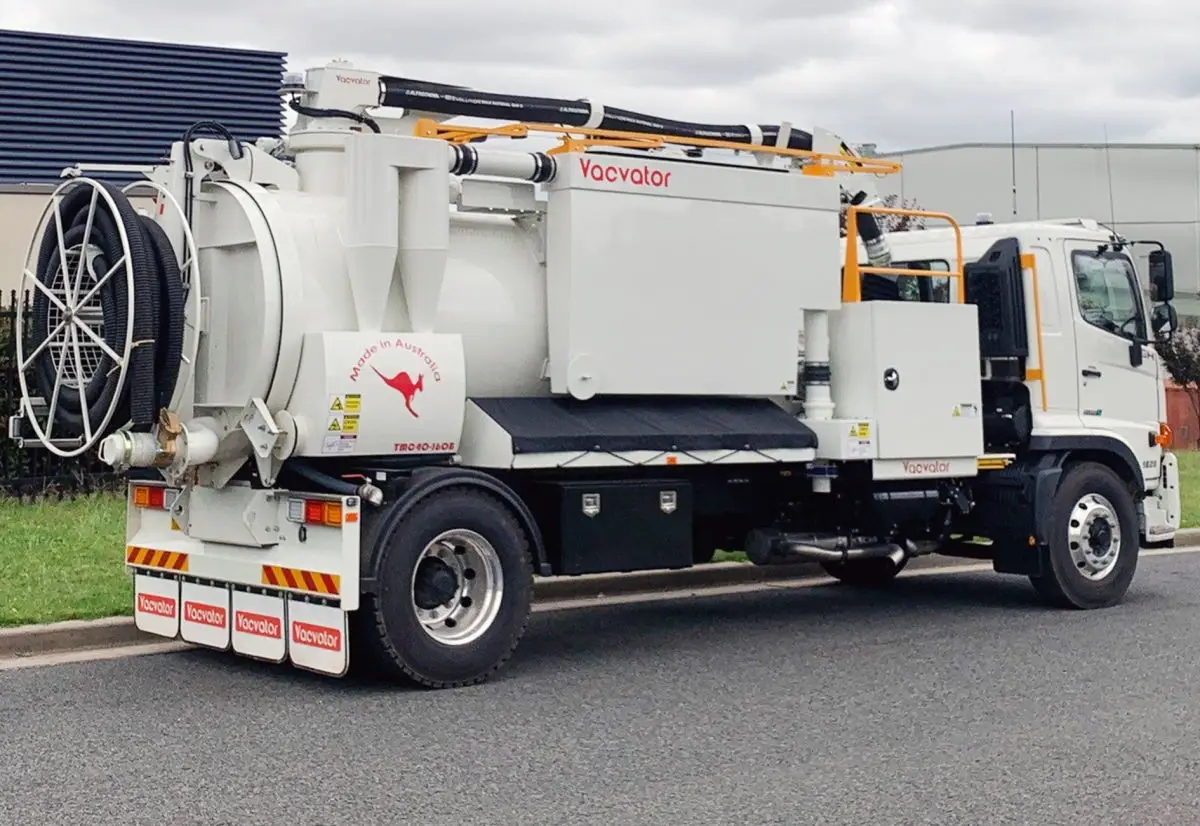
If you’re pricing out industrial equipment for septic, hydro-excavation, environmental cleanup, or municipal storm maintenance, one of the first questions you’ll ask is simple: how much does a vacuum truck cost? The short answer is “it depends”—on capacity, configuration, power, and whether you’re buying new or used. The long answer (and the one that helps you budget smartly) breaks those variables down so you can compare apples to apples, set a realistic budget, and calculate total cost of ownership.
Below, we’ll walk through typical purchase and rental price ranges, the options that move the needle most, ongoing operating costs, and a quick framework to decide whether buying, leasing, or renting makes the most financial sense.
The Quick Price Snapshot
If you just need ballpark numbers before diving deeper, here’s what most buyers and fleet managers see:
- Used vacuum trucks: commonly $80,000–$300,000, depending on age, hours, condition, and spec.
- New vacuum trucks: generally $350,000–$750,000+. Specialty builds (large hydro-excavation units, high-CFM blowers, hazardous-waste packages) can exceed $900,000.
- Rentals: roughly $7,000–$15,000 per month, $2,000–$5,000 per week, or $600–$1,500 per day, with delivery, accessories, and insurance extra.
These ranges are wide by design—vac trucks are highly configurable. To refine where your project fits, let’s break down what drives the price up or down.
What Drives the Price of a Vacuum Truck?
When people ask “how much does a vacuum truck cost,” they’re really asking which features and specs matter most. Here are the big levers:
1) Tank Capacity and Material
- Size: Common debris tank sizes range from 1,000 to 4,000+ gallons. Bigger tanks allow longer routes or fewer dumps but raise the price and require heavier chassis.
- Material: Carbon steel is standard and more affordable. Stainless steel resists corrosion for caustic loads or coastal climates—and costs more. Aluminum saves weight but is pricier than steel.
2) Vacuum System Type and Power
- Blower vs. Fan: Most industrial units use positive displacement blowers (e.g., 3,500–6,000+ CFM), which are costlier but deliver high vacuum for heavier material. Fan systems can be cheaper and move large volumes of air, but aren’t as strong under heavy loads.
- Hydro-Excavation Add-Ons: High-pressure water pumps (2,000–3,000+ PSI), water tanks, heating systems for winter digging, and advanced filtration can add tens of thousands to the build.
3) Chassis and Drivetrain
- New vs. Glider vs. Used: A brand-new chassis (Kenworth, Peterbilt, Freightliner, etc.) with current emissions systems increases price but reduces downtime and parts guesswork. A good used chassis can save six figures if verified and serviced.
- Axle Counts & GVWR: Heavier loads need tandems or tri-drives; more axles and higher GVWR = higher purchase price and permitting considerations.
- Transmission: Automatic transmissions (increasingly common) add cost but can lower driver fatigue and training time.
4) Filtration & Safety Systems
- Multi-Stage Filtration: Cyclonic separators, bag houses, and final filters protect the blower and allow finer material capture—great for urban and industrial work—at a premium.
- Safety & Compliance: Spark arrestors for hydrocarbon sites, explosion-proof lighting, fall-protection rails, and specialized valving drive price and may be mandatory on certain jobs.
5) Control, Telemetry, and Ergonomics
- Remote Operation: Pendant or wireless controls improve productivity and safety, raising the upfront.
- Telematics: GPS tracking, engine/blower monitoring, and maintenance alerts help with fleet visibility and resale value.
- Ergonomics: Boom reach, articulation, and user-friendly hose storage speed jobs and reduce crew fatigue—worth paying for if labor is tight.
New vs. Used: Which Delivers Better Value?
New vacuum trucks offer:
- Warranty coverage on the chassis and body.
- The latest emissions and safety tech.
- Known maintenance history from day one.
They also bring higher capital cost and insurance. If you’re scaling quickly or winning jobs that specify newer gear, new can be the safer choice.
Used vacuum trucks deliver:
- Significant savings—it’s common to save $150K+ versus new.
- Faster availability if you find the right spec on the market.
The trade-offs:
- Unknowns in maintenance history (unless meticulously documented).
- Shorter remaining life on key components (blower, pump, PTOs).
- Potential downtime and refurbishment costs.
Pro tip: If buying used, prioritize service records, blower hours, and oil analysis on the powertrain. A third-party inspection focused on the vacuum system can pay for itself quickly.
Ownership Costs Beyond the Sticker Price
When budgeting, don’t stop at “how much does a vacuum truck cost to buy?” Total Cost of Ownership (TCO) can make or break your ROI.
- Fuel: Expect 5–8 mpg on-road and significant diesel consumption during vacuum operations. Idle-reduction and proper PTO gearing matter here.
- Maintenance: Regular oil, filter, and lubrication services on both chassis and vacuum system; blower overhauls may be needed after a set number of hours.
- Wear Parts: Hoses, nozzles, filters, and gaskets are consumables—stock spares to avoid downtime.
- Insurance & Permits: Heavy trucks, hazmat endorsements, and municipal contracts each have requirements (and costs).
- Storage/Disposal: Tipping fees or disposal costs for debris and wastewater vary by region and waste type. Plan for them.
- Labor: Skilled operators are worth every penny—productivity and fewer mistakes dramatically lower the real per-job cost.
A simple rule of thumb: for intensive users, annual operating costs (fuel, maintenance, labor, insurance) can easily reach 10–20% of the truck’s purchase price.
Buy, Lease, or Rent?
Choosing the right acquisition strategy depends on your backlog, utilization, and capital.
Buy (Cash or Finance)
- Best if you’re booking steady work year-round.
- Financing spreads cost and preserves cash. Typical terms are 48–84 months, with seasonal payment options.
Lease
- Lowers upfront cost; can be operating or capital lease.
- Easier refresh cycles if you want newer equipment regularly.
Rent
- Perfect for short-term spikes, emergency jobs, or trial before committing.
- Higher weekly/monthly rate, but avoids maintenance risk and ties up less capital.
- Tip: If you’re renting 3+ months a year, run the numbers on ownership—buying may be cheaper.
Common Vacuum Truck Types & Typical Ranges
Use these to narrow your target spec before you call dealers:
- Septic/Grease Trap (Liquid Vacuum)
- Used: ~$80,000–$220,000
- New: ~$250,000–$500,000
- Focus on tank size, PTO, pump flow, and corrosion resistance.
- Combination Sewer Cleaner (Jet/Vac)
- Used: ~$150,000–$350,000
- New: ~$450,000–$800,000+
- High-pressure jetting systems plus debris tanks and strong blowers.
- Hydro-Excavation (Daylighting)
- Used: ~$180,000–$400,000
- New: ~$500,000–$900,000+
- Heated water, winterization packages, and advanced filtration boost price.
- Industrial Vacuum (Dry/Wet)
- Used: ~$120,000–$300,000
- New: ~$400,000–$850,000+
- Emphasis on high CFM, heavy-duty filtration, and safety features.
Remember, spec choices (stainless tanks, tri-drive chassis, premium booms) can move a truck from the low end of a range to the top quickly.
How to Price Your Next Vacuum Truck (Step-by-Step)
- Define Core Use Cases
- Sewer cleaning? Hydro-excavation near utilities? Industrial cleanup? Each narrows your must-have features.
- Quantify Production Needs
- Estimate daily yards/gallons, soil type, dump site distances, and crew size. This informs tank size, blower CFM, and boom spec.
- Map Work Environment
- Urban access vs. off-road sites, winter conditions, noise restrictions—these drive choices like axle configs, heaters, and sound attenuation.
- Set Your Budget Bands
- Split into Base (chassis + tank + blower) and Options (boom, heaters, filtration, controls). Decide where options enhance throughput or safety enough to justify cost.
- Calculate TCO
- Project annual hours, fuel, maintenance, insurance, and disposal fees. Compare buy vs. lease vs. rent with realistic utilization.
- Plan for Resale
- Mainstream brands and widely used specs hold value better. Keep maintenance logs; they boost resale price and buyer confidence.
FAQs
Q: So, really—how much does a vacuum truck cost on average?
A: For a typical commercial buyer, budget $350,000–$750,000 for a new unit and $80,000–$300,000 for a good used unit. Specialty builds and premium options can go higher.
Q: Is it cheaper to buy a vacuum trailer instead?
A: Vac trailers are a lower-cost entry point and can be pulled by a Class 8 tractor you already own. They often cost far less than a full truck but may sacrifice maneuverability and integrated controls.
Q: What hidden costs catch new owners off guard?
A: Disposal fees, blower rebuilds, cold-weather packages you didn’t spec (leading to downtime), and insurance/permits for certain job sites.
Q: How do I keep costs down without compromising?
A: Buy used but verified, choose carbon steel unless your loads demand stainless, right-size your tank, and invest in operator training—it pays back fast.
The Bottom LineAsking “how much does a vacuum truck cost” is the right starting point, but the best answer connects price to productivity and uptime. A thoughtfully spec’d truck that matches your work mix, geographies, and crew will usually earn more and last longer than a cheaper, poorly matched unit. Use the ranges above to set expectations, then dial in capacity, blower power, and key options based on the jobs you actually win. Finally, weigh ownership against rental using honest utilization numbers—your balance sheet (and your operators) will thank you.

