
Table of Contents
Understanding Market Trends
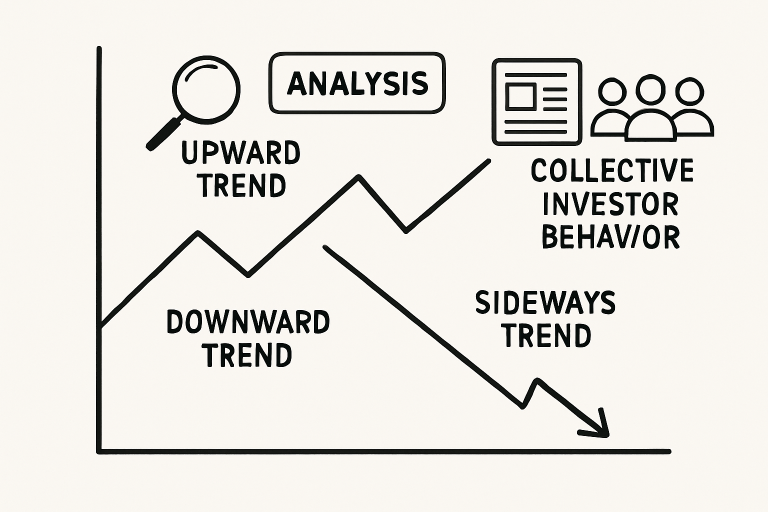
In today’s rapidly changing financial landscape, understanding market trends is essential for any personal investor. These trends are broad movements in the markets that reflect shifts in economic data, investor sentiment, and global events. Whether a market is moving upward (bullish), downward (bearish), or sideways, reading these patterns can help investors make decisions that match their unique goals and risk tolerance. Early recognition of a trend often gives investors an advantage, letting them seize timely opportunities or avoid avoidable losses.
Investors who learn to accurately interpret market trends are not only reacting to numbers on a screen but are also reading the narratives unfolding from economic reports and headlines. Thought leaders such as Mark Henry of Alloy Wealth Management highlight how professional insight and patient analysis can empower individuals to make smarter moves, rather than reacting emotionally to every shift.
Market trends do not materialize in isolation. They are the cumulative result of countless decisions being made across the globe, influenced by conversations among investors, media coverage, and even government policy shifts. Recognition of these forces allows investors to forecast potential outcomes, fine-tune their strategies, and prepare for possible pivots in the financial environment.
Focusing on these larger movements rather than daily fluctuations can be fundamental to building long-term wealth. Ignoring the noise and staying disciplined is often what sets successful investors apart from the crowd.
Seasoned investors leverage professional resources and stay up to date on expert commentary to build context around market cycles.
The Role of Investor Psychology
Investor psychology plays a powerful, sometimes underestimated role in shaping investment decisions. Emotions such as fear and greed can override logical analysis, leading to impulsive choices and market overreactions. The cycle of optimism during rising markets and panic during slumps is a key driver behind market volatility.
Individual biases, such as overconfidence, confirmation bias, and loss aversion, are well-documented in behavioral finance. These can steer investors off course, prompting them to hold onto losses too long, take excessive risks, or sell too soon during a downturn. Monitoring and managing these emotional drivers is critical to maintaining long-term discipline and adhering to a strategy, even when headlines scream for immediate attention. By cultivating self-awareness and emotional discipline, investors can insulate themselves from swings in collective sentiment.
Herd Mentality and Its Effects
Herd mentality remains a potent influence on financial markets. It describes the phenomenon in which individuals follow the majority rather than making independent evaluations based on data and fundamentals. This effect becomes particularly acute during times of hype, such as significant rallies in tech stocks, cryptocurrencies, or meme-driven assets. When people rush into or out of markets because others are doing the same, prices can swing violently in short periods.
Many recent financial events, such as the dramatic surges and crashes in certain stocks and digital currencies, can be traced back to herd mentality. The speed of information flow through social media and digital platforms amplifies this effect, causing more frequent and sharper booms and busts. Investors who succumb to collective trends can face significant losses when market sentiment shifts.
Impact of Financial News
Financial news wields immense power over markets by influencing investor behavior and even accelerating price changes. In today’s world of instant notifications and non-stop updates, big headlines can trigger surges or selloffs within minutes. Dramatic articles about market selloffs may spark waves of selling that deepen corrections, while positive reports can fuel unchecked enthusiasm and sharp rallies.
This constant stream of updates can make it difficult to distinguish meaningful trends from daily noise. It takes discipline and perspective to avoid knee-jerk reactions to every breaking story. Diversifying your portfolio, establishing personal rules, and ignoring short-term fluctuations can help insulate long-term strategies from the stress of a constant information cycle.
Demographic Shifts in Investing
The face of investing is evolving as new generations enter the market and attitudes toward financial independence shift. Younger individuals, particularly those in Gen Z, are entering the investing world in record numbers, sometimes choosing equities as an alternative to traditional wealth-building options such as home ownership. Digital platforms and easier market access continue to lower barriers to entry.
According to studies like the JPMorganChase Institute’s reports, historically underrepresented groups and lower-income earners are increasing their market participation. However, even as these trends broaden market involvement, other challenges remain, such as modest overall savings rates and persistent obstacles to achieving meaningful income growth, especially for those most impacted by recent economic shifts.
Financial Literacy and Investment Decisions
One of the pillars of sound investing is financial literacy. Investors with greater knowledge are more likely to make informed choices, identify reliable opportunities, and avoid costly scams. On the other hand, those who lack basic education about investment principles may fall victim to hype, fraud, or risky speculation, which undermines their financial future.
Targeted financial education initiatives and resources help bridge this gap and enable broader, more confident participation in the markets. Improving financial literacy not only benefits individuals but also contributes to a healthier, more robust market system overall.
Strategies for Navigating Market Trends
Educate Yourself on Market Fundamentals
Building a strong understanding of market fundamentals allows you to make decisions grounded in logic rather than emotion.
Maintain a Long-Term Perspective
Staying focused on long-term objectives can help manage stress during routine market ups and downs. Reacting to daily headlines often leads to poor timing and missed opportunities. Patience and a strategic outlook are essential for weathering inevitable volatility.
Adjust and Diversify
Regularly reviewing your holdings and adjusting your portfolio as markets or personal circumstances change helps you stay on track. Diversification reduces the risk associated with any single asset or sector and supports more consistent investment outcomes over time.
Seek Professional Guidance
Many investors benefit from working with experienced professionals. Advisors can offer personalized strategies, help manage emotions, and provide a critical perspective during periods of uncertainty.
Final Thoughts
Navigating market trends requires awareness, discipline, and ongoing education. Factors such as investor psychology, demographic changes, media coverage, and financial literacy all play crucial roles in shaping both markets and individual outcomes. By staying informed, seeking guidance where needed, and remaining focused on long-term goals, investors can build resiliency and work toward achieving their financial objectives in any environment.

