
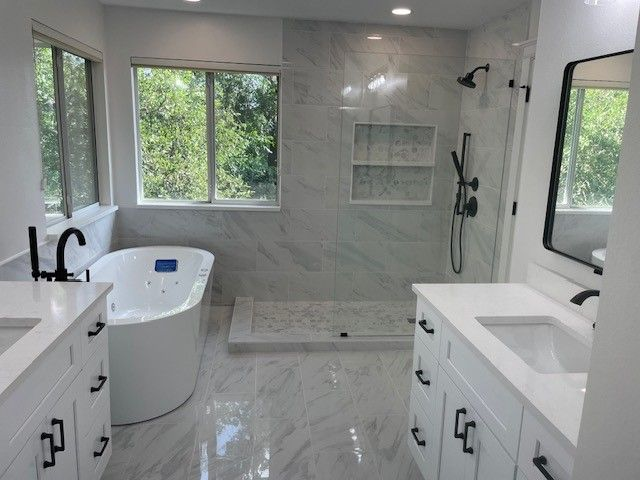
The concept of the domestic washroom has undergone a radical metamorphosis within the vibrant neighborhoods of Central Texas. No longer viewed as a mere utility, the modern bathroom is now an architectural statement of wellness and personal sanctuary. For those embarking on a bathroom remodel Austin, the journey involves more than selecting a pleasing palette; it is an exercise in blending the tactile beauty of the Hill Country with the rigorous demands of a humid subtropical climate. As we look toward the design landscapes of 2026, the focus has shifted toward “quiet luxury”—a philosophy where high-end materials, smart technology, and organic textures converge to create a space that feels both timeless and technologically advanced.
Table of Contents
The Evolution of the Austin Aesthetic in 2026
Austin’s unique cultural identity—a mix of high-tech innovation and rugged naturalism—is reflected in the current shift away from sterile, all-white environments. Experts are seeing a resurgence of “Organic Minimalism.” This aesthetic prioritizes depth over decoration, using natural stone, lime-based plasters, and stained wood cabinetry to provide a sense of warmth and permanence.
- Earth-Inspired Palettes: Terracotta, sage green, and creamy ivory are replacing the cool grays of the previous decade.
- Mixed Metal Artistry: Brushed gold and aged brass are being paired with matte black or polished chrome to create a layered, curated look.
- Biophilic Design: The integration of drought-tolerant indoor plants and natural light via skylights or clerestory windows to connect the interior with the Texas landscape.
Traversing the Technical Landscape of Central Texas
The Austin climate presents specific challenges that require a high level of technical expertise. Humidity control is not just a comfort issue; it is a structural necessity. A successful renovation must address the interplay between high heat and indoor moisture to prevent long-term degradation.
- Vapor Management: High-performance exhaust systems are now being sized specifically to the room’s cubic footage, often featuring humidity sensors that activate automatically.
- Material Resilience: In 2026, porcelain and quartz remain the gold standards. Unlike natural marble, which requires meticulous sealing against the minerals in Austin’s water, engineered quartz offers a non-porous surface that resists both staining and microbial growth.
- The Wet Room Revolution: Curbless showers and open-concept layouts are trending, but they require precision-engineered sloping and advanced waterproofing membranes (such as Schluter-Kerdi systems) to ensure the structural integrity of the home.
The Economics of Value: ROI and Market Trends
According to the 2026 Cost vs. Value Report, a mid-range bathroom renovation in the Austin-Round Rock area continues to yield one of the highest returns on investment for homeowners, often recouping between 60% and 75% of the project cost upon resale. However, the true value lies in the “joy score”—the daily psychological benefit of a space designed for rejuvenation.
Expert advice from local designers suggests that homeowners should allocate their budgets strategically. While custom vanities and high-end tile are visible wins, the hidden investments in rough-in plumbing and electrical upgrades are what ensure the longevity of the remodel. In Austin, where many homes in established neighborhoods like Tarrytown or Travis Heights feature aging infrastructure, a “gut” remodel often reveals the need for cast iron pipe replacement or electrical panel upgrades to support modern features like heated floors or smart mirrors. For those renovating heritage properties, consulting the archival records of Austin history can provide invaluable insight into a building’s original floor plans and structural evolution, ensuring that modern upgrades respect the home’s unique architectural past.
Advanced Features and Smart Integration
The integration of technology into the bathroom has moved from novelty to necessity. In 2026, the “smart bath” is discreet. It is not about screens; it is about invisible comfort.
- Thermostatic Valves: These allow for precise water temperature control, protecting against the sudden fluctuations that can occur in multi-generational households.
- Anti-Fog Technology: Smart mirrors with integrated heating elements ensure a clear reflection even after a high-steam shower.
- Sustainable Luxury: With Austin’s focus on water conservation, low-flow fixtures have evolved. Modern aerators now provide a high-pressure sensation while adhering to the City of Austin’s strict 2.0 GPM (gallons per minute) showerhead regulations.
The Zilker Park Master Suite Transformation
A recent project in the Zilker neighborhood serves as a prime example of the 2026 Austin bathroom ethos. The homeowners sought to convert a cramped, 1980s-era master bath into a “wet room” sanctuary. The project involved removing a bulky garden tub and replacing it with a freestanding soaking tub nestled within a large, glass-enclosed shower area.
By utilizing vertical-stack porcelain tile—mimicking the texture of local limestone—the team created an illusion of height. The use of a floating white oak vanity provided necessary storage while maintaining an airy feel. The technical success of the project hinged on the rerouting of the main stack to allow for a curbless entry, a move that required specific trade permits from the City of Austin but significantly increased the home’s accessibility and market appeal.
Regulatory Essentials and Permitting
In Austin, the permitting process is rigorous. Any modification to water supply lines or drain locations necessitates a plumbing trade permit. The City of Austin’s “Express Permit” program can sometimes expedite smaller cosmetic refreshes, but for a full-scale redesign, a comprehensive building permit is required. Working with a contractor who understands the Austin Build + Connect (AB+C) portal is essential to avoid delays that can derail a project timeline.
Conclusion
The pursuit of a refined bathroom is a balance of art and engineering. By honoring the natural textures of the Texas landscape while implementing the latest in moisture-mitigation technology, Austin homeowners can create spaces that are as durable as they are beautiful. Whether it is through the installation of a spa-like wet room or the subtle integration of smart lighting, the modern bathroom remodel is an investment in the home’s future and the owner’s well-being. As the trends of 2026 emphasize warmth, texture, and sustainability, the Austin home continues to lead the way in functional luxury.
Frequently Asked Questions
How long does a typical bathroom remodel take in Austin?
For a mid-range to luxury remodel, homeowners should expect a timeline of 5 to 8 weeks. This includes the demolition phase, plumbing and electrical “rough-ins,” inspections, tiling, and final fixture installation.
Do I need a permit for a simple tub-to-shower conversion?
Yes. In the City of Austin, any replacement of a shower or tub is not exempt from permit requirements. This ensures that the waterproofing and drainage systems meet current safety and health codes.
What is the best way to prevent mold in an Austin bathroom?
Beyond using mildew-resistant paint, the most effective method is proper mechanical ventilation. Ensure your exhaust fan is vented directly to the exterior (not the attic) and consider installing a timer or humidity sensor to keep the fan running until moisture levels drop.
Are floating vanities sturdy enough for daily use?
When properly anchored to the wall framing during the “blocking” phase of construction, floating vanities are incredibly secure. They offer a modern aesthetic and make cleaning the bathroom floor significantly easier.
Which flooring is best for a bathroom in a humid climate?
Porcelain tile is the superior choice for Austin homes. It is denser and less porous than ceramic or natural stone, making it highly resistant to water absorption and the expansion/contraction caused by Texas temperature swings.

