
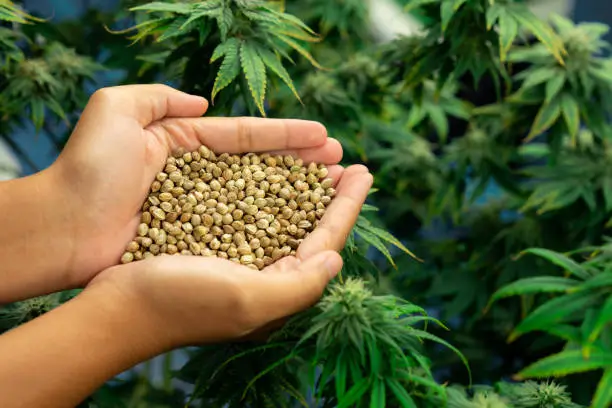
What makes one cannabis variety different from another? Genetics play a major role, influencing a plant’s cannabinoid profile, aroma, appearance and other characteristics. High-THC cannabis seeds attract attention because of their association with varieties bred for elevated tetrahydrocannabinol (THC) levels, but potency is only one part of the picture.
Understanding the science behind genetics and the limits of potency claims helps readers make sense of a market filled with different strain names and product descriptions. For readers in Australia, it is also important to understand the legal restrictions that may apply to cannabis seeds, cultivation and possession before considering any related products.
Table of Contents
What Does High THC Actually Mean?
THC is the primary intoxicating cannabinoid in cannabis. It interacts with the body’s endocannabinoid system and contributes to the changes in perception, mood and coordination commonly associated with cannabis use.
A high-THC label generally indicates that a variety is associated with greater THC production potential. However, a seed itself does not have a guaranteed final THC percentage. The eventual cannabinoid profile depends on several factors, including genetics, environmental conditions and the accuracy of any testing used to support a claim.
It is also important to distinguish between a breeder’s advertised figures and verified laboratory results. Product descriptions may provide a useful starting point, but they should not be treated as independent proof of potency.
How Genetics Influence Cannabis Potency
Cannabis genetics influence the enzymes involved in producing cannabinoids. Different genetic lineages can therefore have different tendencies to produce THC, cannabidiol (CBD) and other compounds.
Inherited Cannabinoid Profiles
A plant’s inherited traits help shape its potential cannabinoid profile. Selective breeding has produced varieties associated with different combinations of cannabinoids, aromas, structures and flowering characteristics. However, closely related plants can still vary, and genetic potential does not guarantee an identical result in every plant.
Why Strain Names Can Be Misleading
Cannabis strain names are not always standardized. The same name may be used by different breeders for plants with different genetic backgrounds. Similarly, two varieties with different names may share ancestry or have overlapping characteristics.
For this reason, a name alone cannot establish a plant’s THC content. Reliable documentation, transparent descriptions and independent laboratory testing of the resulting material offer stronger evidence than a strain label by itself.
Understanding Plant Traits Beyond THC
Potency is only one characteristic used to describe cannabis genetics. Other traits help explain why varieties can differ in appearance, chemical composition and overall profile.
- Aroma and terpene profile: Terpenes are aromatic compounds found in many plants. In cannabis, they contribute to distinctive scents, such as citrus, pine, earth and spice.
- Cannabinoid balance: THC and CBD are two of the best-known cannabinoids, but their relative concentrations vary among genetic lines.
- Plant structure: Genetic differences can influence traits such as height, branching patterns, leaf shape and general growth habit.
- Flower characteristics: Varieties may differ in flower density, coloration and the appearance of their resin-producing trichomes.
- Consistency: Some genetic lines show more uniform characteristics than others, although variation can still occur.
These traits provide a broader understanding of cannabis genetics. They also explain why THC percentage alone cannot fully describe a variety or predict how a cannabis product will affect an individual.
Why Cannabis Potency Statistics Matter
Interest in high-potency varieties has grown alongside changes in the strength of cannabis products. Research helps put this trend into perspective.
According to the US National Institute on Drug Abuse, the average THC potency measured in cannabis products seized by law enforcement in the United States increased from 3.96% in 1995 to 16.14% in 2022, more than a fourfold increase. These figures concern seized products, not every cannabis variety available today, but they demonstrate a substantial long-term change in measured potency.
The National Institute on Drug Abuse’s cannabis research overview provides further information on cannabis, its effects and related research. Higher THC exposure can increase the likelihood of adverse effects, including anxiety and impaired judgment, and is associated with a greater risk of cannabis use disorder. Potency should therefore be considered a health-related factor, not simply a measure of quality.
Evaluating Cannabis Information Critically
Cannabis product descriptions often combine scientific terminology with marketing language. Readers can assess these claims more carefully by considering a few basic questions:
- Does the description distinguish estimated THC potential from independently verified results?
- Is the genetic background explained clearly, or is the information limited to a popular strain name?
- Are cannabinoid and terpene claims supported by credible documentation?
- Does the information acknowledge natural variation rather than promising identical outcomes?
- Are health considerations and applicable legal restrictions addressed responsibly?
These questions are useful when reviewing information from any source, including educational resources and businesses that discuss cannabis genetics. For example, readers researching high-potency cannabis strains may encounter a wide range of claims about strength, lineage and plant characteristics. Comparing those claims with independent scientific information can help separate established facts from promotional language.
Sacred Seeds is one name readers may encounter when exploring information about cannabis seed genetics. As with any source, individual claims should be evaluated on their evidence rather than accepted solely on the basis of a brand name.
Legal and Health Considerations in Australia
Cannabis laws vary by jurisdiction, and the rules governing seeds may differ from those governing cultivation, possession and use. In Australia, requirements can vary between states and territories, so it is important to consult current official guidance before assuming that a particular activity is permitted.
Health considerations also deserve attention. Higher THC concentrations can produce stronger intoxicating effects and may increase the likelihood of unpleasant reactions. Cannabis can affect memory, attention, coordination and decision-making, while frequent use carries additional risks for some people. Anyone with concerns about cannabis use or its effects can seek advice from a qualified healthcare professional.
Conclusion
High-THC cannabis seeds are best understood through the relationship between genetics, inherited plant traits and the limits of potency claims. THC levels are one part of a broader profile that may include aroma, other cannabinoids, plant structure and natural variation. Scientific evidence also shows why potency deserves careful consideration, particularly given the potential health risks associated with greater THC exposure. By examining claims critically, using credible research and checking applicable Australian laws, readers can develop a more balanced understanding of cannabis genetics without confusing marketing promises with verified facts.

