
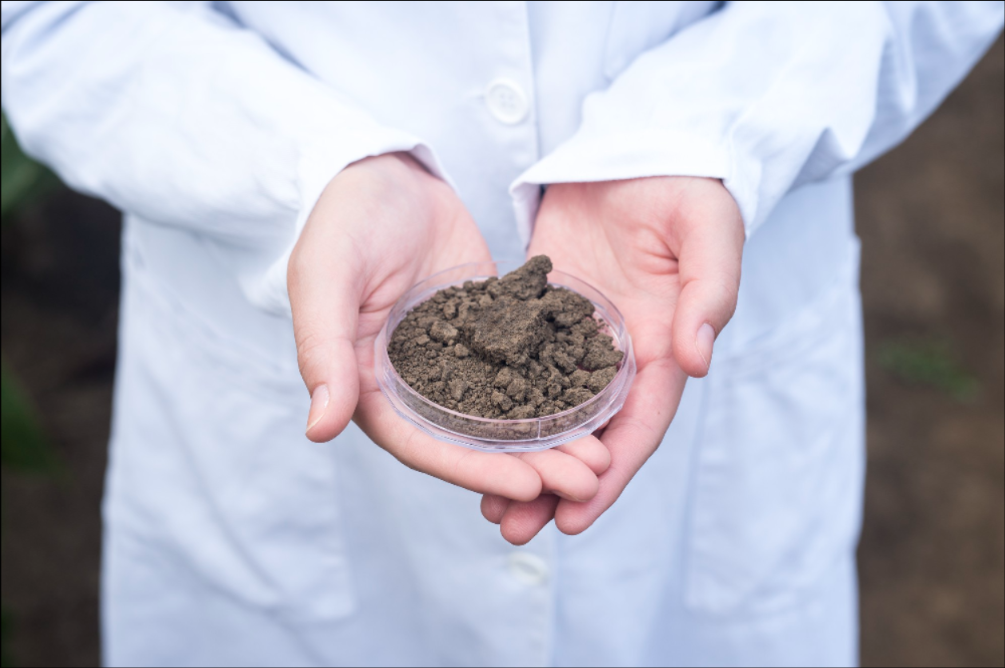
Contaminated land is a site where different types of hazardous substances are present at a detrimental level. A land can be contaminated by industrial waste, asbestos, agricultural chemicals, and oil spills. The land contamination is not visible from above the land. In most cases, soil contamination checks are conducted by analyzing the soil quality underneath the surface. This is how engineers approach managing contaminated land:
- At first, engineers focus on site assessment of the contaminated land
- The contaminant substance is identified
- Remediation methods are determined, like in situ and ex-situ
- The focus is on mitigating the risks associated with land contamination and plan the land reuse technique.
Environmental engineers and remediation service providers have a greater role in assessing the projects and the level of soil contamination. The approach of engineers to manage and process contaminated land is depicted in this blog, closely following the regulatory and environmental aspects. The process starts with a site assessment.
Table of Contents
Site Assessment: The First Critical Step
Engineers focus on site assessment because it is essential to identify the extent of the contamination in the land. Here is how engineers focus on site assessment in different phases:
Phase I Assessment
In phase I, engineers mainly conduct research in order to review the land. This review includes checking on the historical data of the land to assess potential risks of soil contamination.
Phase II Assessment
Engineers get an idea from the phase I assessment about potential soil contamination. Therefore, they can plan for the remediation service. To confirm the contamination, soil and groundwater analysis is conducted.
Regulatory frameworks
Management of the contaminated land is also required to comply with the regulatory authorities. Globally, there are different authorities that impose provisions on contaminated lands. In Australia, governing bodies like the Environmental Protection Authority (EPA) regulate contaminated land under the Contaminated Land Management Act 1997 (CLM), which warrants regulations on lands that are notably contaminated.
Contamination Identification and Categorization
Remediation experts and engineers are able to identify the type of contamination. Categorization of land contaminants is essential to opt for the remediation service that uses the appropriate technique to manage the level of contamination.
Here are different types of land-contaminating substances:
| Contaminant Type | Examples | Common Sources | Environmental / Health Impact |
| Heavy Metals | Lead, mercury, Arsenic, and Cadmium | Industrial sites, batteries, and paints | Toxic to humans |
| Petroleum Hydrocarbons | Diesel, gasoline, oil | Fuel stations and leaks from underground tanks | Soil and groundwater pollution |
| Asbestos | Chrysotile, Amosite | Older structure | Lung diseases and long-term environmental persistence |
| Pesticides | DDT and Atrazine | Agriculture and Pest Control | Groundwater leaching and harm to biodiversity |
| Sewage and pathogens | Bacteria, viruses | Septic tanks and leaking sewer lines | Waterborne disease |
| Construction Waste | Concrete dust, treated wood, and adhesives | Demolition sites, landfills | Leaching in soil, chemical imbalance in the soil |
Table 1: Types of Soil Contaminants causing damage to the environment and health
Remediation Techniques Recommended by Engineers
Considering the site-specific soil contamination, the engineers can determine the remediation methods. Factors like the chemical composition of soil, contaminant type, planning and budget constraints are some key things that are essential to consider different types of remediation.
Common land remediation processes include:
In-Situ Methods
Following the in-situ soil remediation method, the contaminated land is treated directly at its primary location. Engineers use strategies like bioremediation, where microorganisms or plants are used to deactivate the contaminant.
Ex-Situ Methods
Ex-situ methods involve treating the contaminated soil in a different place. Some key ex-situ methods include using bioreactors and soil washing. Using bioreactors, engineers can treat the contaminated material by using microorganisms in a contained place. On the other hand, soil washing is another method where the contaminated soil is mixed with liquid to segregate the contaminants from it.
Capping
In the context of soil contamination, capping refers to a method of covering contaminated portions of land with specific materials like concrete, asphalt, or synthetic materials. Remediation service providers apply capping to reduce the exposure and spread of contaminants.
Risk Mitigation and Land Reuse Planning
Engineers also approach to manage land contamination management by planning to mitigate the human and ecological risks from it.
Managing Human and Ecological Risks
Land contaminants like heavy metals, asbestos, sewage water, and construction waste can impact humans and biodiversity. Opting for in-situ solutions will contain the spread of harmful chemicals, which can be key to reducing the impact of contaminants on humans and the ecosystem.
Incorporating Sustainable Land Remediation Practice
Sustainable ways of land remediation include soil erosion control and bioremediation, where plants and bioorganisms are used to prevent soil erosion and remove contaminants.
In Summary
Environmental engineers and remediation service providers play an important role in recognizing and evaluating contaminated land. Turning the contaminated land into a safe and usable space will help to improve the life-cycle of people and biodiversity located around the area.
Consult with Professional Remediation Service Providers!
Thinking of remediating your old contaminated site? Consider taking the opinions of expert remediation service providers and experienced engineers to ensure safety and sustainability in the process.

