
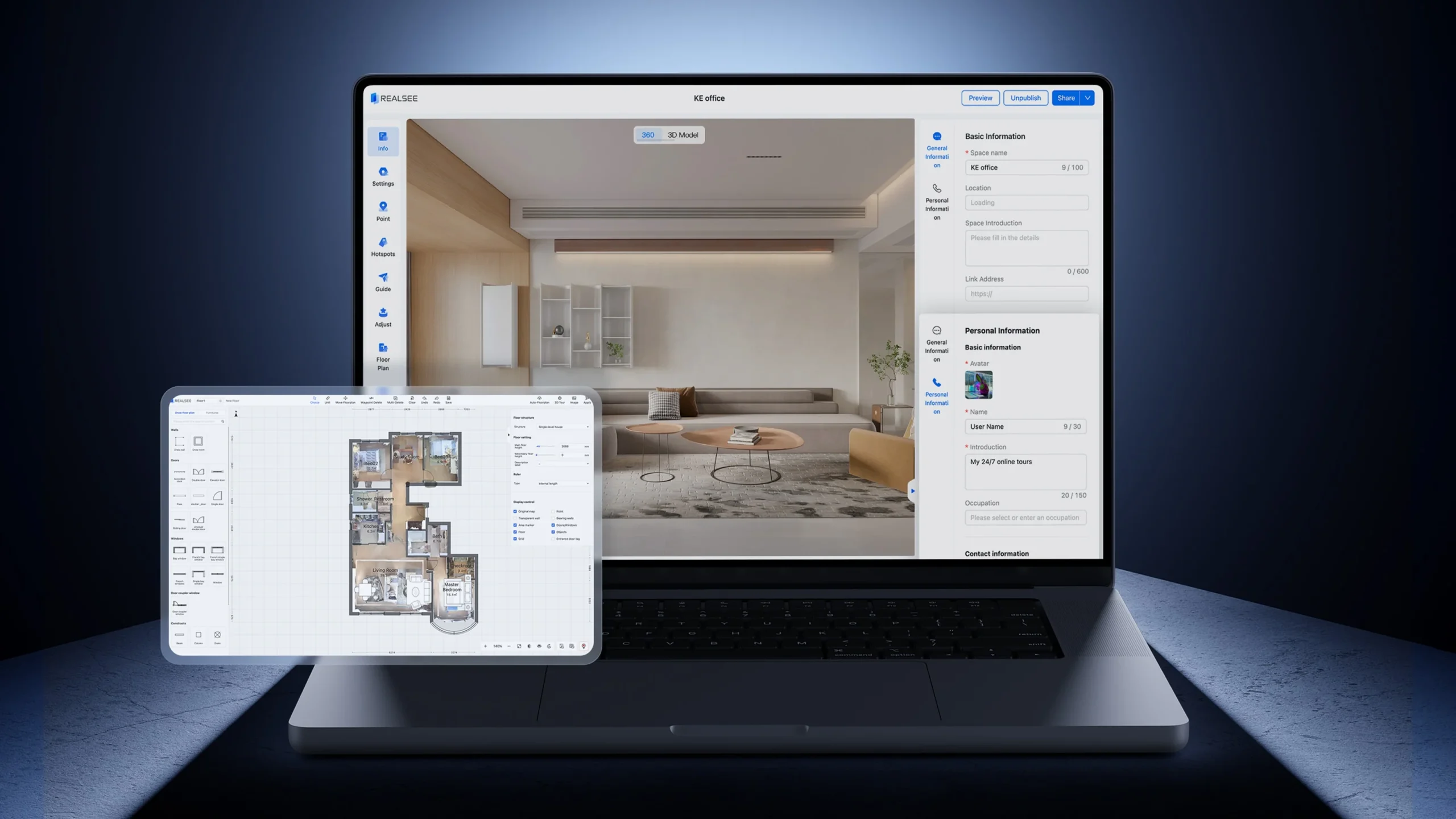
The real estate landscape has fundamentally shifted. Buyers today expect to explore properties on their own terms, often from hundreds or thousands of miles away, before ever stepping foot inside a home. Geographic boundaries no longer define a buyer’s search radius, and agents who rely solely on in-person showings find themselves losing ground in an increasingly competitive market. The core challenge is clear: how do you captivate and engage potential buyers who may never visit your listing in person?
Digital Twin Solutions represent a transformative answer to this problem. By creating immersive, interactive virtual replicas of physical properties, this technology goes far beyond static photos or pre-recorded video walkthroughs. Digital twins allow prospective buyers to explore every room, examine details, and experience a property as if they were physically present. For real estate agents struggling to attract attention and convert interest into offers across a geographically dispersed market, digital twins deliver exactly what’s needed: compelling remote viewings and presentations that drive engagement and close deals faster.
Table of Contents
What Are Digital Twin Solutions for Real Estate?
A digital twin in real estate is a comprehensive, data-rich virtual replica of a physical property that mirrors every spatial dimension, surface texture, and architectural detail with remarkable precision. Unlike a simple slideshow of listing photos or a pre-recorded video walkthrough that follows a fixed path, a digital twin creates a fully navigable three-dimensional environment where users control their own exploration experience.
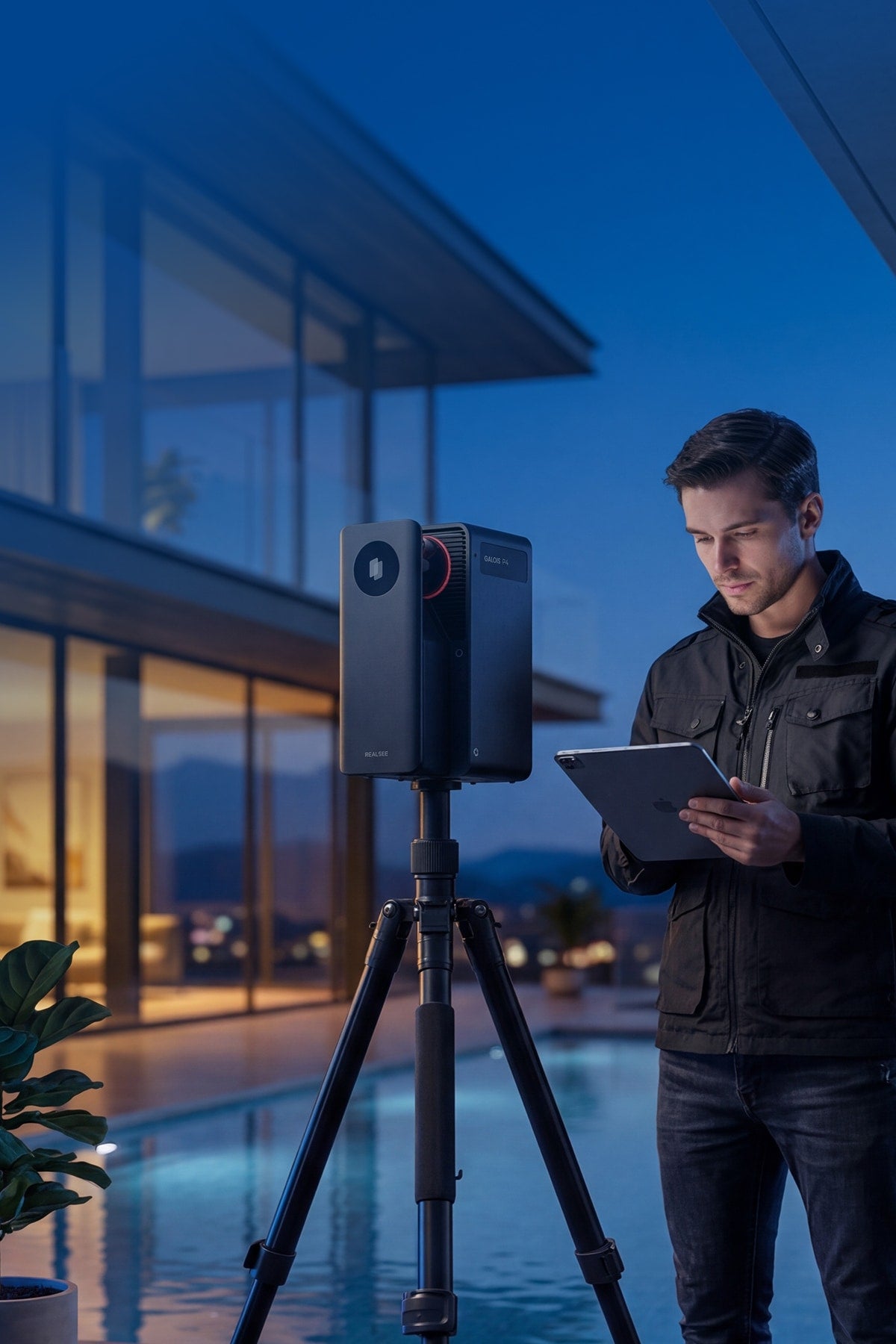
The technology relies on three core components working together. First, specialized 360-degree cameras capture comprehensive spatial data from every angle within a property, recording depth information, measurements, and visual details simultaneously. Second, sophisticated processing software stitches this captured data into a cohesive, dimensionally accurate virtual model that maintains true-to-life proportions and spatial relationships between rooms. Third, an interactive viewing platform delivers the finished twin to users through web browsers or dedicated applications, enabling fluid movement through the space, zoom capabilities, and point-of-interest exploration.
What distinguishes digital twins from traditional virtual tours is their accuracy and depth of information. A conventional virtual tour might offer a series of connected panoramic images with limited navigation. A digital twin, by contrast, functions as a living document of the property—one that can incorporate measurement data, floor plan overlays, and embedded information points that reveal details about materials, fixtures, or room dimensions on demand. This combination of visual immersion and integrated data transforms passive viewing into active, informed exploration that closely replicates the experience of physically walking through a home.
Key Benefits for Real Estate Agents and Buyers
Digital twin technology directly addresses the two most pressing challenges real estate agents face today: capturing buyer attention in a saturated market and serving clients who cannot easily visit properties in person. The benefits extend beyond convenience—they fundamentally reshape how properties are marketed and how purchase decisions are made.

Attracting More Buyers with Engaging Property Presentations
Static listing photos give buyers a fragmented impression of a property. They see individual rooms but struggle to understand flow, scale, and how spaces connect. Digital twins solve this by transforming property viewing into an experience rather than a passive scroll. When a buyer enters a digital twin, they become an active participant—choosing where to look, how long to linger in a space, and which details to examine closely. This level of engagement creates emotional connection, which is the driving force behind purchase decisions. Agents can leverage this by embedding narrative elements within the twin: highlighting a kitchen’s morning light, drawing attention to custom built-ins, or showcasing how an open floor plan connects living and entertaining spaces. Properties presented through digital twins consistently generate longer viewing sessions and higher inquiry rates because they give buyers the confidence that comes from thorough, self-directed exploration.
Facilitating Remote Viewings to Increase Property Reach
For relocating professionals, international investors, or buyers exploring multiple markets simultaneously, scheduling in-person tours represents a significant barrier. Digital twins eliminate this friction entirely. A buyer in London can explore a property in Austin at midnight their time, revisit it the next morning, and share it with their partner—all without coordinating schedules or booking flights. For agents, this means every listing becomes accessible to a global audience around the clock. The practical impact is substantial: agents report fewer unqualified in-person showings because buyers who do schedule physical visits have already conducted thorough virtual explorations and arrive with genuine intent. This efficiency saves hours of showing time each week while simultaneously expanding the pool of serious prospects far beyond local boundaries.

Implementing Digital Twin Solutions: A Step-by-Step Guide
Adopting digital twin technology doesn’t require a background in software engineering or a massive upfront investment. With a clear process and the right tools, any real estate agent can begin creating professional-grade virtual property replicas that elevate their listings and attract serious buyers.
Step 1: Planning & Technology Selection
Before purchasing equipment or scheduling a scan, assess what you actually need. Consider the types of properties you typically list—a compact urban condo demands different coverage than a sprawling suburban estate with multiple outbuildings. Start by identifying your budget range and the level of detail your market expects. For hardware, 360-degree cameras designed for spatial capture range from compact single-lens units suitable for smaller spaces to professional multi-lens systems that deliver higher resolution and faster capture times. On the software side, evaluate platforms based on their processing capabilities, output quality, and how easily the finished twin integrates with your existing listing tools and website. PropTech companies like Realsee offer bundled packages combining camera hardware with cloud-based processing subscriptions, which simplifies the decision for agents entering this space for the first time.
Step 2: Data Capture with 360 Cameras
Quality capture is the foundation of a convincing digital twin. Begin by preparing the property as you would for a professional photo shoot—declutter surfaces, open blinds for natural light, and turn on interior lighting to eliminate harsh shadows and dark corners. Position your camera at consistent heights throughout the property, typically chest level, and place scan points every five to eight feet to ensure complete coverage with smooth transitions between viewpoints. Pay special attention to transitional spaces like hallways, staircases, and doorways, as these areas connect rooms and create the sense of continuous flow that makes digital twins feel realistic. Capture during stable lighting conditions—overcast days often work best for consistent exposure across rooms with varying window orientations.
Steps 3 & 4: Creation and Enhancement
Once raw data is captured, upload it to your chosen processing platform. The software aligns individual scans, constructs the three-dimensional model, and generates the navigable environment automatically—a process that typically takes a few hours depending on property size and platform speed. After the base model is complete, enhance it with features that add genuine value for buyers. Enable multi-floor navigation so users can move seamlessly between levels without losing spatial orientation. Add annotation points at key features—a recently upgraded HVAC system, custom millwork, or smart home controls—providing context that photos alone cannot communicate. If your platform supports collaboration tools, activate them so clients can leave comments, ask questions about specific areas, or share marked-up views with co-decision-makers directly within the twin environment. These collaborative features transform the digital twin from a viewing tool into an active communication channel between you and your prospects.
Step 5: Launch and Promotion
A completed digital twin delivers value only when buyers can find and access it easily. Embed the twin directly into your MLS listing, ensuring it loads quickly and displays prominently above the fold rather than buried beneath photo galleries. Feature it on your personal website with a dedicated landing page that includes a brief introduction and a clear call-to-action inviting viewers to schedule a follow-up conversation. Share teaser clips on social media platforms—short screen recordings showing fluid movement through the property’s most impressive spaces—with links driving traffic back to the full interactive experience. Send the twin link directly to prospects in your database who match the property’s profile, and incorporate it into email campaigns targeting out-of-area buyers. Track engagement metrics like time spent inside the twin, most-viewed rooms, and repeat visits to identify your warmest leads and tailor your follow-up accordingly.
Advanced Features and The Future of Property Exploration
Beyond Basic Tours: Multi-Floor Views and Data Integration
The most sophisticated digital twin platforms now offer seamless multi-floor navigation that preserves spatial awareness as users move between levels. Rather than loading separate models for each story, these systems render the entire structure as a unified environment where buyers can ascend staircases, transition between floors, and maintain their mental map of how the property fits together vertically. Layered data overlays add another dimension of utility—imagine toggling a view that reveals plumbing routes behind walls, electrical panel locations, or even projected renovation possibilities superimposed onto existing spaces. This depth of integrated information transforms a marketing tool into a decision-making platform where buyers assess not just aesthetics but structural and functional realities.
Collaboration Tools Within the Digital Twin
Embedded collaboration features are reshaping the agent-client dynamic during the evaluation process. Buyers can drop pins in specific rooms with questions about finishes or dimensions, and agents respond with annotations, documents, or video messages tied to exact locations within the model. Couples shopping together from different cities can simultaneously navigate the same twin, pointing out features they love or concerns they want addressed—all captured in a shared conversation thread anchored to the property itself. This eliminates the back-and-forth confusion of describing rooms over phone calls and accelerates consensus among multiple decision-makers.
The Future: From Properties to Digital Space Exploration
Looking ahead, digital twin technology is converging with artificial intelligence and Internet of Things connectivity to create truly living virtual environments. Future twins will pull real-time data from smart home sensors—displaying current energy consumption, HVAC performance, or even ambient light conditions at any hour. AI-powered analytics will track how prospective buyers navigate twins, identifying which features generate the most interest and suggesting listing optimizations automatically. Beyond individual properties, entire neighborhoods and developments will exist as explorable virtual ecosystems, enabling buyers to assess commute routes, community amenities, and surrounding landscapes without leaving home. The boundary between physical and virtual space exploration continues to dissolve, and agents who build fluency with these tools now will lead the market as it evolves.
Why Agents Must Embrace Digital Twins Now
Digital twin solutions have emerged as a revolutionary tool that fundamentally redefines how real estate agents market properties and how buyers make purchasing decisions. By creating immersive, interactive virtual replicas rich with spatial data and navigable detail, this technology directly solves the two most critical challenges facing modern agents: capturing meaningful buyer engagement in an oversaturated market and providing compelling property access to prospects separated by geography, time zones, or scheduling constraints.
Agents who adopt digital twin technology now position themselves with a decisive competitive advantage. They offer something that static photos and pre-recorded videos simply cannot match—an experience that builds confidence, accelerates decision-making, and attracts serious buyers from a global pool rather than a local one. This isn’t a passing trend or a novelty feature to add to a listing. Digital twins represent the foundational infrastructure of property marketing’s future, one where physical and virtual exploration merge seamlessly. The agents who build expertise with these tools today won’t just keep pace with the market—they’ll define where it goes next. The time to embrace this shift is now, before it becomes the baseline expectation rather than a differentiator.

