
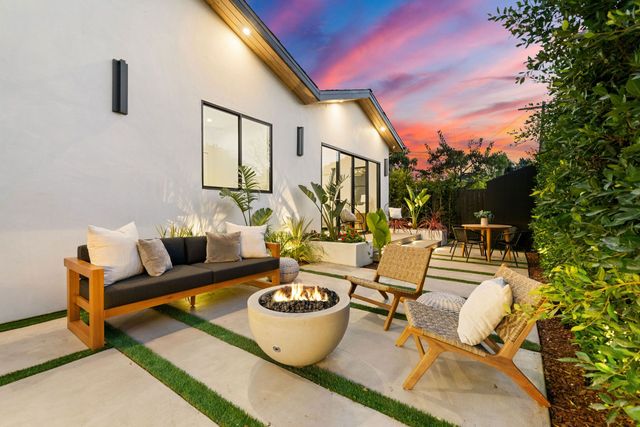
The world outside your home or business plays a critical role in defining your environment. Outdoor spaces are no longer just patches of grass or randomly planted shrubs; they have become an extension of living and working areas, offering a sense of tranquility, beauty, and utility. With a well-thought-out approach to landscape design, you can create an outdoor environment that enhances not only the visual appeal but also the function of your property.
As more people turn their attention to outdoor aesthetics, the demand for high-quality landscaping and outdoor design solutions has significantly increased. A beautiful landscape not only complements the architectural design of a building but also reflects the lifestyle, personality, and values of those who inhabit the space. In this comprehensive article, we’ll explore the key aspects of landscaping, design strategies, maintenance practices, and why engaging a professional team can make all the difference.
The Foundation of Landscape Design
Creating an ideal outdoor space begins with a deep understanding of landscape design principles. At its core, landscape design is a balance of science and art. It requires a practical understanding of horticulture, ecology, and engineering, combined with a creative approach to style, color, texture, and spatial organization.
The most effective designs take several elements into consideration:
- Functionality: Outdoor areas must serve a purpose. Whether it’s relaxation, recreation, entertainment, or aesthetic appeal, each part of the landscape should be designed with a clear function in mind.
- Balance and Proportion: Harmonious arrangements of plants, hardscapes, and architectural features create balance. Proportion ensures that elements are sized correctly relative to one another and the entire space.
- Unity and Continuity: Cohesion is critical. Using consistent design themes, materials, or color schemes throughout the landscape builds a unified appearance.
- Focal Points: These are the visual anchors in your outdoor area—elements that draw the eye and give structure to the space, such as sculptures, water features, or signature plants.
By applying these principles, a landscape design becomes more than a series of disconnected features—it turns into a cohesive, functional outdoor environment that adds long-term value and enjoyment.
Blending Natural and Man-Made Elements
A modern landscape often blends softscapes (living elements) and hardscapes (non-living elements). Both are vital, and their proper integration can make a space feel inviting, elegant, and intentional.
Table of Contents
Softscapes
These include all living elements—trees, shrubs, ground cover, flowers, lawns, and vines. The plant selections should be adapted to the climate and soil conditions, while also meeting aesthetic goals. Color, bloom times, foliage texture, and height all influence the final look and functionality of the space.
Hardscapes
These include patios, walkways, retaining walls, pergolas, outdoor kitchens, fences, and water features. Materials such as stone, concrete, wood, or metal are chosen not only for durability but also for visual harmony with natural elements.
A successful landscape seamlessly integrates both aspects, allowing for both practical use and natural beauty to coexist.
The Role of Lighting in Landscape Design
Landscape lighting plays an essential role in both safety and ambiance. A thoughtfully designed lighting plan can transform a property from ordinary to extraordinary.
There are several lighting techniques used in landscaping:
- Uplighting for highlighting trees or architectural features
- Path lighting to ensure safe navigation through walkways
- Accent lighting for focal elements like statues or water features
- Backlighting to create dramatic silhouettes
Proper lighting extends the usability of outdoor spaces beyond daylight hours and adds a sense of security. It’s one of the most cost-effective upgrades in landscape design with immediate aesthetic returns.
Seasonal Considerations in Landscape Planning
Every successful landscape must account for seasonal variation. An effective design provides year-round appeal by selecting plants and features that thrive across different seasons.
- Spring: Time for vibrant blooms and fresh growth. Design focuses on bulbs, flowering shrubs, and early perennials.
- Summer: The landscape comes alive. Water features and shaded seating areas provide relief from heat.
- Autumn: Trees and shrubs with colorful foliage add richness. This is also the time for planting hardy perennials.
- Winter: Evergreens and structural hardscapes keep the space visually engaging even in dormancy.
Incorporating plants with staggered bloom cycles and year-round interest ensures that the landscape remains attractive no matter the season.
Water Efficiency and Sustainability
Modern landscaping must embrace sustainable practices. As environmental awareness grows, efficient water use, low-maintenance plant choices, and ecological balance are top priorities.
Some key practices include:
- Xeriscaping: A water-wise approach using drought-tolerant plants that require minimal irrigation.
- Mulching: Retains soil moisture, suppresses weeds, and improves soil health.
- Drip Irrigation Systems: Minimize water loss and direct moisture to the root zone.
- Rain Gardens: Designed to capture runoff and filter pollutants.
Sustainable design not only conserves resources but also lowers maintenance costs and supports biodiversity.
Outdoor Living: Extending Interior Comforts
Outdoor living spaces are now viewed as functional extensions of indoor environments. People want the same level of comfort and design sophistication outdoors as they enjoy inside their homes or offices.
These features are increasingly common in contemporary landscapes:
- Outdoor kitchens and bars
- Fire pits and fireplaces
- Dining areas with weather-resistant furniture
- Lounge areas with pergolas or shade sails
- Water features for sound and visual interest
The integration of outdoor living spaces increases a property’s usability and market value. It also encourages more time spent outside, contributing to physical and mental well-being.
The Maintenance Equation
Designing and installing a stunning landscape is only part of the equation. Ongoing maintenance is crucial to preserve its health and appearance. Plants must be trimmed, lawns mowed, pests managed, and seasonal adjustments made to irrigation and lighting systems.
This is where a professional landscaping service becomes essential. Regular care ensures that the outdoor space continues to thrive and evolve. Maintenance services typically include:
- Lawn care and fertilization
- Pruning and plant care
- Weed and pest control
- Irrigation system checks
- Seasonal planting and cleanup
By entrusting these tasks to experts, property owners save time, avoid costly mistakes, and keep their outdoor investments in peak condition.
Customization Based on Lifestyle Needs
Every landscape should reflect the unique preferences, habits, and lifestyle of its users. A family with young children will have different needs than a couple seeking a peaceful retreat or a business wanting a clean, low-maintenance entrance.
Personalized landscape features may include:
- Play areas and soft lawns for kids
- Meditation spaces and quiet garden corners
- Pet-friendly zones with safe plants and materials
- Low-allergen plantings for sensitive users
- Edible gardens with herbs, fruits, and vegetables
The ability to customize a landscape based on how people live and interact with outdoor spaces is what turns good design into great design.
Choosing the Right Professionals
The success of any landscaping project depends largely on the skill and experience of the professionals involved. While DIY approaches may work for minor changes, comprehensive landscape planning and execution require a multidisciplinary team of designers, horticulturists, builders, and maintenance specialists.
A reputable landscaping service offers:
- Professional consultation and design services
- Transparent pricing and clear timelines
- Quality materials and workmanship
- Knowledge of local plant species and climate conditions
- Commitment to sustainability and long-term results
Engaging a reliable service provider ensures peace of mind, accountability, and excellence in execution.
Conclusion: Crafting Nature’s Masterpiece
The art of landscaping is about more than just planting trees or laying stones—it’s about transforming an open space into something meaningful, usable, and beautiful. It’s about creating environments that reflect personal values and provide lasting enjoyment. Whether you want to entertain guests, enjoy a morning coffee in a serene garden, or create a bold first impression for visitors, a well-designed landscape can make it happen.
Investing in a professional landscaping service in Henderson, NV is one of the most effective ways to unlock the full potential of your outdoor space. With their expertise, vision, and dedication, they turn your ideas into living masterpieces—sculpted by nature, guided by experience, and designed to inspire.

