
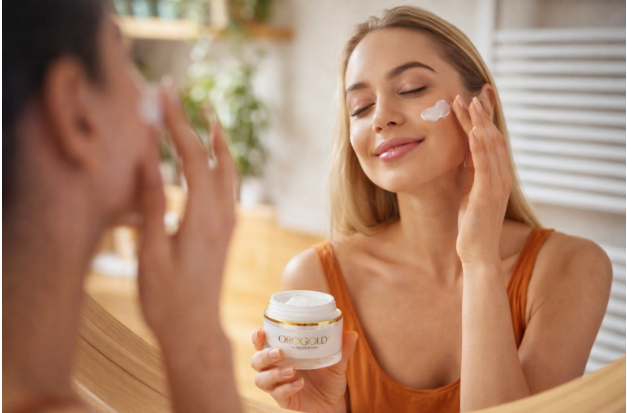
Quick-fix facials deliver temporary results that fade within days, leaving your complexion right back where it started. Consistent daily habits build cumulative improvements that random expensive treatments simply cannot replicate over time. Rough patches, dull areas and uneven coloring frustrate millions who chase miracle products instead of building solid routines. Dermatologists recommend committing to 4-8 week timelines rather than expecting overnight transformations from products collecting dust on bathroom shelves. Morning-to-night practices layer upon each other, creating visible improvements through strategic repetition and patience. Every step throughout your routine serves a specific purpose in refining surface quality while evening out color distribution across your face.
Success demands abandoning endless miracle-product searches in favor of methodical daily execution with proven ingredients. Your texture and tone concerns respond predictably to science-backed consistency applied with genuine patience and realistic expectations.
Table of Contents
Understanding Texture and Tone Problems First
Physical surface quality defines skin texture, encompassing smoothness, roughness, visible bumps and pore appearance across different facial zones. Color uniformity characterizes skin tone, including dark spots, persistent redness, general dullness and hyperpigmentation variations that develop over time. Dead cell buildup creates a rough, uneven texture that catches light poorly and feels bumpy when you touch your face. Melanin irregularities cause tone issues ranging from post-inflammatory marks to widespread discoloration patterns affecting your overall appearance. Damaged moisture barriers affect both concerns simultaneously by triggering inflammation and irregular cellular shedding throughout your complexion.
Epidermal layer health determines how light reflects off your face, directly impacting perceived radiance and glow. Melanocyte activity regulates pigment production, while keratinocyte turnover controls natural exfoliation rates that keep skin fresh. Collagen density provides structural support that plumps fine lines and elastin fibers maintain snap and resilience in your skin. Sebum production patterns influence pore clarity and surface smoothness throughout different facial zones, like your T-zone and cheeks.
Professional-grade skincare lines like Mesolyft offer targeted formulations designed to address both texture refinement and tone correction through active ingredient delivery systems. Identifying your specific personal concerns directs practice selection toward targeted solutions that actually work for your skin type. Rough texture requires different interventions than patchy tone, though both improve through overlapping methods when approached correctly.
Morning Cleansing Without Stripping Natural Moisture
Overnight sebum accumulation, shed dead cells and pillowcase debris require gentle removal each morning without compromising your protective skin barrier. Lukewarm water opens pores effectively without causing capillary damage or excessive dryness that leads to flaking and irritation. Proper cleansing lasts exactly sixty seconds, utilizing upward circular motions that stimulate circulation while preventing downward tugging on delicate facial skin. Gel formulations suit oily complexions by cutting through excess sebum efficiently and leaving skin feeling clean without tightness. Cream-based cleansers nourish dry skin types with hydrating ingredients and micellar solutions gently lift impurities from sensitive faces without harsh rubbing.
Balanced pH levels around 5.5 maintain healthy acid mantles that protect against environmental aggressors and harmful bacteria throughout your day. Thirty-second rinse times ensure complete product removal without residue that clogs pores and causes breakouts over time. Patting dry with soft microfiber towels preserves fragile elastin fibers better than harsh rubbing motions that stretch and damage skin. Over-cleansing strips natural lipids, roughening texture immediately and triggering compensatory oil production that oxidizes and darkens tone appearance.Vitamin C paired with vitamin E creates a powerful antioxidant combination that protects the skin from environmental damage while brightening and evening skin tone. For those looking to take their results further, advanced skincare formulas developed by board-certified dermatologists combine these actives with clinical-grade peptides and retinoids for measurable, lasting improvement.
Applying Targeted Serums on Damp Skin
Concentrated active ingredients penetrate most effectively when applied to slightly damp skin within three minutes of cleansing your face. Moisture on your skin surface creates better absorption pathways that drive treatments deeper into epidermal layers, where they work best. Strategic layering sequences move from thinnest to thickest consistencies, allowing thirty to sixty seconds between products for proper penetration. Dropper application delivers precise amounts—typically three to five drops per treatment—pressed gently rather than rubbed aggressively across your face.
Niacinamide and peptide formulations specifically target texture refinement by strengthening barrier function and supporting collagen synthesis beneath your skin surface. Vitamin C, tranexamic acid and alpha arbutin formulations address tone correction through tyrosinase inhibition and powerful antioxidant protection against free radicals. Limit yourself to two or three serums maximum to prevent overwhelming skin and causing irritation that worsens both texture and tone concerns. Molecular size considerations determine placement order: water-based treatments sink in first, while oil-based serums seal in benefits last for maximum effectiveness. Synergistic combinations like Vitamin C paired with vitamin E creates a powerful antioxidant combination that protects the skin from environmental damage while brightening and evening skin tone. For those looking to take their results further, advanced skincare formulas developed by board-certified dermatologists combine these actives with clinical-grade peptides and retinoids for measurable, lasting improvement.
Locking Everything with Daily Moisturizer Application
Appropriate moisturizers seal in active treatments while independently improving texture through hydration, plumping and tone through inflammation reduction. Lightweight gel-creams prevent congestion-related texture issues in oily complexions, while rich creams eliminate flaking that catches light unevenly on dry skin. Hyaluronic acid molecules draw moisture into superficial layers, immediately smoothing fine lines and surface irregularities that make skin look aged. Niacinamide concentrations of four to five percent visibly even discoloration, while ceramides repair barrier damage affecting both texture and tone simultaneously.
Twice-daily application timing—morning after serums and evening after treatments—maintains consistent hydration levels that keep skin plump and healthy. Pea-sized quantities cover your entire face effectively when warmed between fingertips first for better spreadability and absorption. Three-minute absorption windows before sunscreen or makeup application prevent pilling and ensure proper integration with other products. Non-comedogenic ratings guide selection for acne-prone individuals, while fatty acid profiles indicate repair potential for compromised barriers needing extra support. Proper hydration creates that plump, smooth canvas necessary for even light reflection and uniform color appearance everyone wants from their skincare routine.
Defending Skin with Broad-Spectrum Sunscreen Always
Ultraviolet radiation remains your single greatest threat to texture and tone progress, responsible for eighty percent of visible aging signs on your face. Unprotected sun exposure degrades collagen rapidly, creating a rough, leathery texture that no skincare product fully reverses once established. UV rays trigger melanin overproduction within minutes of exposure, creating stubborn dark spots that require months of dedicated correction work. Broad-spectrum protection with SPF 30 minimum blocks aging UVA rays and burning UVB rays effectively when applied correctly every single day.
Quarter-teaspoon measurements cover your entire face and neck adequately without skimping on high-risk areas like ears, hairlines and the often-forgotten neck area. Reapplication every two hours during direct exposure maintains protection through sweating, touching your face and natural formula breakdown.
Fifteen-minute pre-exposure windows allow chemical filters to activate properly on your skin; mineral formulas work immediately upon application for instant protection. PA++++ ratings indicate superior UVA protection, crucial for preventing serious dermal damage that causes premature aging and stubborn discoloration. Antioxidant-enhanced sunscreen formulations neutralize free radicals generated by inevitable ultraviolet penetration throughout your day outdoors. Iron oxide additions provide visible light protection that prevents melasma darkening in those prone to hormonal pigmentation issues. Consistent daily defense preserves months of corrective skincare progress from getting undone by single afternoon exposures without adequate protection.
Strategic Exfoliation Twice Each Week Works
Accumulated dead cell layers dull the surface appearance and magnify rough texture without regular removal through proper exfoliation methods. Strategic exfoliation accelerates natural turnover rates, revealing fresher cells that reflect light evenly and feel smooth when you touch your skin. Chemical exfoliants outperform physical scrubs by dissolving bonds between dead cells rather than creating micro-tears through harsh abrasion. Alpha-hydroxy acids like glycolic acid at eight to ten percent concentrations specifically target surface tone issues and fine texture irregularities effectively.
Beta-hydroxy acids such as salicylic acid at two percent penetrate pores deeply, clearing congestion that creates a rough, bumpy texture and visible blackheads. Mandelic acid offers gentler action for sensitive skin types, addressing both concerns simultaneously without excessive irritation or redness. Two to three weekly applications maximum preserve barrier integrity while accelerating renewal rates for visible improvement over time. Effective acid concentrations range between five and thirty percent, depending on your skin tolerance and specific concerns being addressed.
Optimal pH levels between three and four ensure proper keratolytic action without burning or damaging healthy tissue underneath dead cells. Contact times of five to ten minutes before neutralizing determine treatment intensity and the results you can expect. Alternating acid schedules—glycolic acid one evening, salicylic acid three days later—addresses multiple concerns without overloading your skin. Expect four to seven days of increased sun sensitivity following each exfoliation session, demanding vigilant sunscreen protection throughout that period.
Incorporating Retinoids Gradually Every Other Night
Vitamin A derivatives represent gold-standard ingredients scientifically proven to improve both surface quality and color uniformity simultaneously over time. Retinoids stimulate collagen production that fills fine lines and smoothes rough texture from within your deeper skin layers effectively. Powerful retinoid compounds regulate melanocyte distribution, preventing clumping that creates dark spots and uneven tone across your complexion. Progressive introduction prevents overwhelming skin and causing irritation reactions that deter continued use and derail your progress entirely.
Begin with 0.25-0.3 percent retinol concentrations twice weekly for your first fourteen days to let skin adjust gradually. Increase frequency to every other night application after your initial tolerance period has established without significant irritation or peeling. Advance to nightly application only after four to six weeks demonstrate comfortable adaptation without excessive dryness or sensitivity issues. Pea-sized amounts cover your entire face sufficiently; excess product increases irritation without improving results or speeding up progress.
Buffering with moisturizer underneath reduces initial dryness while maintaining treatment effectiveness for sensitive skin types. Avoiding your delicate eye area and nasolabial folds prevents excessive peeling in these naturally sensitive zones prone to irritation. Weeks two through four commonly present temporary dryness, flaking or mild purging as skin adjusts to increased cellular turnover. Persisting through your adjustment period yields transformative results visible at twelve weeks when real change becomes undeniable in photos. Prescription tretinoin at 0.025-0.1 percent offers accelerated results for severe concerns once your tolerance is established with over-the-counter retinol products.
Treating Specific Concerns with Evening Activities
Persistent texture or tone issues require targeted evening treatments beyond your foundational routine for optimal correction results. Hydroquinone at two percent concentrations interrupts melanin production for stubborn hyperpigmentation patches that resist other brightening ingredients. Azelaic acid at fifteen to twenty percent addresses both acne-related texture and inflammatory tone concerns with antibacterial and brightening properties. Kojic acid, derived from fungi, provides gentle brightening alternatives for sensitive complexions unable to tolerate stronger ingredients.
Niacinamide at ten percent concentrations refines pore appearance and smooths surface irregularities effectively without irritating. Peptide serums signal collagen production for enhanced firmness and smoothness, developing over several months of consistent use. Tranexamic acid topically inhibits melanin transfer, proving particularly effective for hormonally-influenced discoloration like melasma patches. Rotating targeted treatments prevents overwhelming skin with conflicting actives that cancel each other out or cause excessive irritation.
Apply water-based treatments before your retinoid application; oil-based spot treatments come after retinoids to prevent barrier disruption issues. Three-month treatment cycles allow sufficient time for cellular turnover and pigment dispersal before evaluating effectiveness accurately. Patch testing new ingredients on your jawline for forty-eight hours prevents widespread reactions across your entire face from unknown sensitivities. Buffering techniques—applying moisturizers between layers—minimize irritation while maintaining therapeutic penetration depth for results.
Supporting Skin from Internal Hydration Sources
External treatments achieve maximum impact only when supported by adequate internal hydration and proper nutrition daily. Consuming half your body weight in ounces of water daily maintains cellular plumpness that prevents crepey texture and fine line formation. Proper water intake supports lymphatic drainage that eliminates toxins, causing inflammatory tone issues and dull, tired-looking complexions. Omega-3 fatty acids from salmon, walnuts and flaxseeds reduce systemic inflammation that manifests as facial redness and blotchy patches.
Vitamin C at 1000mg daily supports collagen synthesis from within and provides antioxidant protection against environmental damage affecting your skin. Vitamin E at 400IU protects cell membranes from oxidative stress, preserving both texture and tone quality over time. Zinc at 15-30mg accelerates wound healing and regulates oil production, affecting surface smoothness and breakout frequency noticeably. Fatty fish consumed three times weekly delivers concentrated anti-inflammatory benefits visible in calmer, more even-toned skin.
Daily leafy green servings provide antioxidants that combat free radical damage, contributing to premature aging and dullness. Limiting sugar intake to 25 grams daily prevents glycation that stiffens collagen and creates a rough, yellowed texture nobody wants. Alcohol moderation preserves hydration levels and prevents vasodilation that worsens redness and broken capillaries on your cheeks and nose. Probiotic-rich foods support gut health that directly influences inflammatory skin conditions affecting color uniformity and overall radiance.
Evening Double-Cleansing Ritual Matters Most
Evening cleansing proves more critical than morning routines for texture and tone improvement because accumulated debris causes overnight damage. Sunscreen residue, pollution particles, makeup and twelve hours of sebum production create barriers blocking treatment absorption completely. Incomplete removal forces skin to marinate in oxidative stressors overnight that degrade collagen and trigger inflammation, affecting appearance. Double-cleansing methods effectively dissolve stubborn residues without stripping protective lipids needed for healthy barrier function.
Oil-based cleansers applied to dry skin first break down sunscreen films and dissolve sebum without harsh surfactants, causing irritation. Sixty-second massage motions emulsify debris while stimulating circulation for better lymphatic drainage and product absorption afterward. Water-based cleansers follow for thirty seconds, removing remaining impurities and preparing skin for active treatment penetration overnight. Micellar waters offer alternatives for sensitive skin types, while cleansing balms provide luxurious options for dry complexions needing extra nourishment.
Lukewarm temperatures prevent barrier damage during evening cleansing when skin needs gentle handling after full-day exposure. Waiting five minutes post-cleansing before applying treatments allows pH levels to stabilize and prevents dilution of active ingredients. Residue prevention ensures retinoids and acids penetrate effectively rather than sitting atop leftover sunscreen films uselessly. Clean skin extracts maximum benefit from every subsequent product’s therapeutic potential throughout your nighttime routine.
Weekly Overnight Treatment Masks Accelerate Results
Weekly intensive treatments accelerate improvement during the skin’s natural overnight regeneration cycle when cellular repair activity peaks. Sleeping masks create occlusive environments that drive hydration deep into dehydrated layers, plumping fine lines and smoothing rough texture.
Brightening overnight formulations containing arbutin or licorice root address tone concerns during optimal melanin-inhibition windows while you sleep. Overnight peels utilizing gentle poly-hydroxy acids or low-percentage retinol formulations refine both texture and tone without morning irritation. Six to eight-hour contact times allow slow, sustained penetration without the irritation potential associated with rinse-off treatments requiring immediate removal. Ceramide-rich formulas repair barrier damage that manifests as roughness and reactivity during your most restorative sleep hours. Apply intensive treatments one to two times weekly, maximum, to avoid over-processing that damages rather than helps your skin barrier. Alternate heavy mask nights with retinoid applications to prevent conflicting interactions that reduce the effectiveness of both treatments.
Thick layers create occlusion gradients that drive ingredients deeper than thin applications achieve with identical products and formulations. Morning removal requires only water rinsing or gentle cleansing to preserve overnight benefits accumulated during sleep hours. Concentrated weekly sessions provide visible brightening and smoothing that energize continued commitment to your daily practices long-term.
Protecting Skin During Sleep with Smart Habits
Nighttime environmental factors significantly impact texture and tone progress during critical repair hours when skin regenerates most actively. Silk or satin pillowcases with 19-momme weight ratings prevent friction that creases skin and creates sleep lines evolving into permanent texture damage. Smooth pillowcase surfaces reduce inflammatory friction that causes morning redness and blotchiness, affecting tone and appearance upon waking. Humidifiers maintaining forty to fifty percent bedroom humidity prevent trans-epidermal water loss that creates crepey texture and emphasizes fine lines. Cool room temperatures between sixty-five and sixty-eight degrees Fahrenheit optimize melatonin production and cellular repair hormone release overnight. Elevated sleeping positions reduce fluid accumulation that causes morning puffiness, distorting facial contours and tone uniformity visibly.
Weekly pillowcase washing eliminates bacteria and product buildup that transfers back to skin overnight, causing breakouts and irritation. Hypoallergenic pillow materials prevent contact dermatitis that triggers inflammatory responses, worsening both texture and tone concerns. Seven to nine hours of quality sleep allows complete circadian rhythm cycles that regulate collagen production and cellular renewal effectively. Face-down sleeping positions create mechanical compression that damages elastin fibers and creates temporary creases becoming permanent over time. Training yourself toward back-sleeping preserves treatment results and prevents new texture issues from developing due to pillow contact pressure.
Monthly Photo Documentation Tracks Real Progress
Sustained motivation requires objective evidence of gradual improvements invisible in daily mirror checks due to familiarity bias. Texture and tone changes occur slowly over four to twelve week periods, making photographic documentation essential for recognizing your success. Monthly intervals reveal cumulative progress that daily inspections miss because you see yourself every single day and cannot notice subtle shifts. Standardized protocols ensure accurate comparisons: use natural indirect window lighting consistently, shoot straight-on plus forty-five-degree angle views and capture images immediately upon waking. Unfiltered, unedited photos provide honest assessment materials showing real changes rather than flattering lighting or angle improvements. Macro lens attachments on smartphones capture texture details invisible to standard cameras, revealing pore refinement and smoothness changes clearly.
Eight to twelve week comparison points typically reveal your first undeniable improvements in smoothness and color uniformity worth celebrating. Progress journals noting product changes, seasonal adjustments or lifestyle factors help identify triggers affecting your skin negatively or positively. Realistic documentation combats discouragement during adjustment periods or temporary setbacks that make you question your entire routine. Visible proof of improvement strengthens commitment to maintaining disciplined daily practices through challenging initial phases when results feel invisible.
Seasonal Adjustments Maintain Consistent Results
Environmental shifts demand strategic modifications to maintain year-round texture and tone improvements without abandoning your core routine. Winter months require richer moisturizer formulas to combat indoor heating and low humidity that strip barriers and create flaking texture. Reduce exfoliation frequencies during cold months to prevent barrier damage that worsens redness and sensitivity, affecting tone appearance. Summer heat necessitates lightweight, oil-free formulations preventing congestion while increasing antioxidant layering to combat heightened UV damage.
Sunscreen application requires particular vigilance during extended outdoor exposure periods, though daily protection remains mandatory regardless of cloud cover. Spring and fall transitional periods benefit from gradual product switches over two to four week periods rather than abrupt changes shocking skin. Maintain consistent active ingredient usage—retinoids, vitamin C, niacinamide—throughout seasonal shifts while adjusting formula textures and hydration levels appropriately. Barrier support remains your priority across all seasons, as healthy barriers resist environmental fluctuations, creating texture roughness and tone irregularities. Humidity-based adjustments ensure comfort without sacrificing treatment efficacy that delivers real results throughout changing weather conditions yearly.
Professional Intervention Improves Stubborn Results
At-home daily practices effectively address mild to moderate concerns, yet face limitations against severe texture or tone issues requiring professional help. Persistent hyperpigmentation remaining after three months of consistent home care indicates the need for prescription-strength ingredients or advanced procedures. Deep texture issues, including ice-pick scarring or severe keratosis pilaris, resist topical treatments alone and require professional intervention methods. Suspected melasma—hormonally-triggered symmetric discoloration—requires a dermatologist diagnosis and management to prevent worsening with incorrect home treatment. Board-certified dermatologists offer chemical peels utilizing professional-grade acids that penetrate deeper than home treatments, safely under controlled conditions. Microneedling procedures stimulate collagen remodeling that fills pitted texture issues resistant to topical products applied at home.
Laser therapies target specific pigment concerns with precision impossible through topical means, breaking up stubborn discoloration effectively. Prescription tretinoin at 0.05-0.1 percent concentrations accelerates cell turnover beyond over-the-counter retinol capabilities significantly. Four percent hydroquinone preparations provide aggressive melanin suppression for stubborn discoloration unresponsive to gentler brightening alternatives available over-the-counter. Readers wanting deeper guidance can explore expert approaches to fixing uneven skin texture for additional dermatologist-backed strategies. Professional treatments amplify rather than replace consistent home maintenance that preserves expensive procedure results long-term. Quarterly professional interventions combined with daily practice adherence yield superior results to sporadic treatments alone without maintenance. Recognizing when home care reaches its limits prevents wasted time on ineffective attempts while ensuring maintenance protocols preserve your professional investment properly.

