
Proper maintenance and awareness are vital to the safety and reliability of your car. Many drivers may not realize how common car defects can undermine performance and increase the risk of accidents. As you consider your legal protections, it’s also important to understand the Florida Lemon Law time limit, which can impact your rights if you discover unresolved defects in your vehicle.
Every vehicle owner should know the most common issues that can seriously affect car safety and longevity. With preventive maintenance and a proactive approach when problems arise, you can minimize the dangers posed by hidden or emerging vehicle defects. Being informed not only helps you protect your investment but also ensures you and your passengers remain secure on the road.
Addressing manufacturer recalls quickly, maintaining a close relationship with certified mechanics, and following up on all warning signs are essential steps for every responsible motorist. Recognizing a problem in its early stages can often be the difference between a simple repair and a potentially dangerous situation.
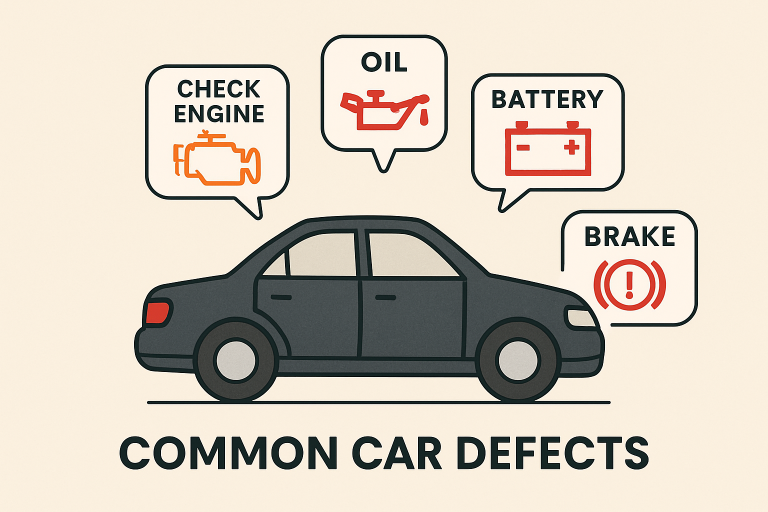
Table of Contents
Engine Issues
Many modern engines are designed with intricate precision. However, defects such as stalling, knocking, and excessive oil consumption remain common. Some drivers have reported engine stalls at highway speeds, an issue that has led to significant recalls. Symptoms like rough idling, engine misfires, or loss of power should never be ignored. Routine servicing and prompt attention to check engine alerts can help identify and fix problems early, before they develop into more severe failures.
Transmission Failures
Transmission problems directly influence a car’s ability to accelerate smoothly or maintain a consistent speed. Faulty transmissions can cause jerking, gear slipping, or even prevent the car from shifting gears entirely. Manufacturers have issued recalls for defective transmission modules and faulty shift mechanisms in certain models. Regular transmission fluid replacements, as per your owner’s manual, along with attention to odd noises or delayed shifting, are critical to reducing failure risk.
Brake System Malfunctions
Brakes are arguably the most safety-critical system in any vehicle. Defective master cylinders, brake pads, or hydraulic lines can lengthen stopping distances or cause outright brake failure. Conducting regular brake inspections and replacing worn parts promptly are among the best ways to maintain braking performance and prevent accidents.
Steering Component Defects
Safe steering depends on a complex array of mechanical and, at times, electronic components. Faulty tie rods, broken linkages, or power steering failures can dramatically reduce control, particularly at high speeds. Recalls for steering flaws often arise due to loss of steering assist or unexpected detachment of major components. If you notice difficulty turning, unusual noises, or resistance when turning the steering wheel, seek a professional inspection immediately.
Electrical System Failures
Electrical issues can disrupt everything from the engine’s computer to lighting, power windows, or dashboard functions. Short circuits, wiring harness faults, and defective software have prompted extensive recalls, sometimes affecting safety systems such as backup cameras and airbags. Stay up to date on software updates and address any dashboard warning lights with your certified repair technician to help prevent electrical malfunctions.
Airbag and Seatbelt Failures
Airbags and seatbelts are essential for occupant protection during a crash. Defective sensors, improperly installed airbags, or worn retractor mechanisms have resulted in failed deployments and recalls across many brands. Always comply with recall notifications and have your safety systems inspected after any collision or if you notice the airbag warning light illuminated.
Fuel System Defects
Gasoline leaks, defective pumps, or malfunctioning injectors can present fire risks or cause engine stalls. Reports to the National Highway Traffic Safety Administration have highlighted several recalls due to leaking fuel lines or fuel tank design flaws. If you smell fuel or notice erratic engine performance, consult a mechanic immediately, as these issues can be hazardous.
Suspension and Wheel Issues
The suspension and wheel systems safeguard both ride comfort and vehicle stability. Defects such as cracked springs, misaligned wheels, or loose lug nuts can lead to poor handling and increase the risk of accidents, especially during emergency maneuvers. To maintain vehicle integrity, schedule periodic wheel and suspension inspections, and address any abnormal noises, vibrations, or changes in handling responsiveness.
Conclusion
Staying informed about common car defects empowers drivers to act quickly and protect both safety and investment. Regular maintenance, attention to warning signs, and prompt responses to recalls can significantly reduce risks and prevent costly repairs. By remaining proactive, vehicle owners can ensure more reliable performance and greater peace of mind on the road.
