
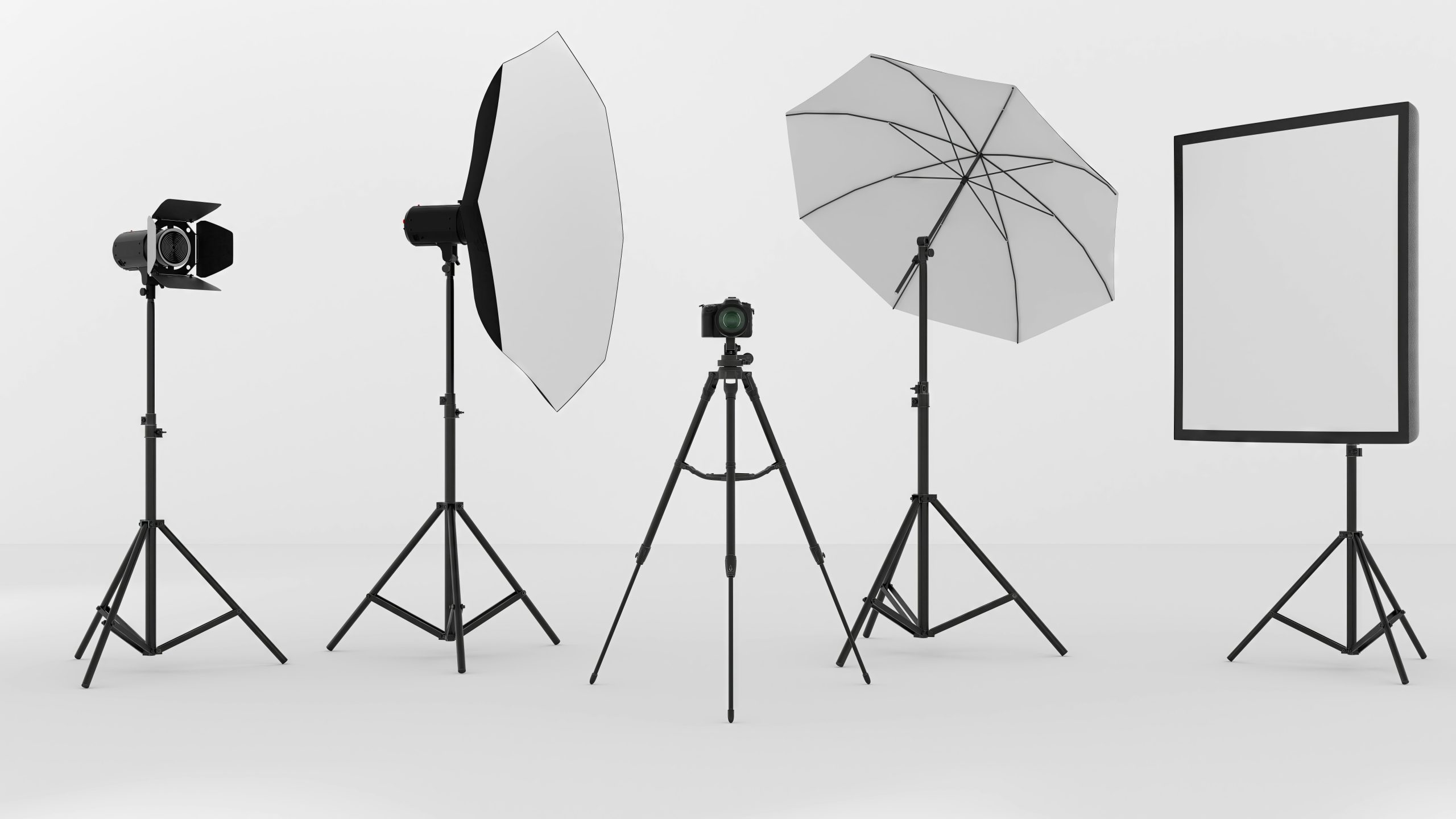
Lighting can make or break any creative project. Whether you’re shooting a cinematic interview, a product review, or a live stream, the quality and positioning of your lights directly shape how your audience perceives your work. Yet behind every perfectly placed softbox or LED panel sits an often-overlooked piece of gear: the light stand. For content creators investing in their craft, the choice between carbon fiber and standard light stands represents more than a simple purchase it’s a decision that affects every shoot’s efficiency, reliability, and visual outcome. Should you spend more on premium carbon fiber construction, or does a traditional aluminum or steel stand deliver everything you actually need? This guide breaks down the comparison across the factors that matter most to working creators: sturdiness for secure lighting setups, adjustability for creative flexibility, and portability for those who shoot beyond the studio walls. By the end, you’ll have a clear framework for choosing the right stand that fits your workflow, budget, and creative ambitions.
Table of Contents
The Core Comparison: Carbon Fiber vs. Standard Light Stands
At their core, carbon fiber and standard light stands serve the same purpose supporting your lights at the right height and angle—but they achieve it through fundamentally different engineering. A professional carbon fiber stand uses woven carbon fiber tubing that delivers exceptional strength at a fraction of the weight of metal alternatives. Standard stands, built from aluminum or steel, rely on proven materials that keep costs lower while still offering solid performance for most shooting environments.
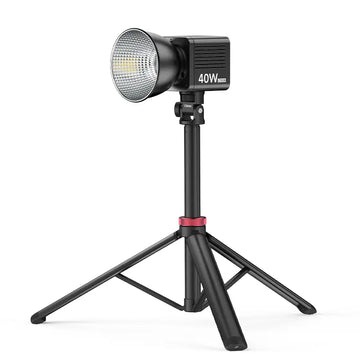
The differences become tangible when you compare specifics. Carbon fiber stands typically weigh 30–50% less than their aluminum counterparts at similar load capacities, making them noticeably easier to reposition during a shoot. Durability also diverges: carbon fiber resists dents and bending under stress, while aluminum can deform permanently if overloaded or dropped. Steel stands offer the highest raw strength but at a significant weight penalty. On cost, standard aluminum stands remain the entry point for most creators, often costing a third of what a comparable carbon fiber model demands. For creators just building out a kit, that price gap matters. But for those logging frequent shoots or traveling regularly, the long-term payoff of a professional carbon fiber stand often justifies the upfront investment.
Material Breakdown: Carbon Fiber Advantages
Carbon fiber brings a set of material properties that no metal can fully replicate. It’s inherently corrosion-resistant, meaning humidity, rain exposure, and coastal salt air won’t degrade your stand over years of use. Perhaps more importantly for video creators, carbon fiber naturally dampens vibrations—a critical advantage when a bumped stand could send a mounted LED panel shaking mid-take. The material also feels premium in hand, with a smooth, rigid finish that inspires confidence during setup. Standard aluminum and steel stands, while more budget-friendly and widely available, lack these passive benefits. They’re prone to oxidation without proper coatings, and vibrations transfer more readily through metal tubing, which can compromise stable light support during sensitive recording situations.
Why Sturdiness and Adjustability Matter for Content Creators
A light stand that wobbles under the weight of a softbox or can’t reach the exact height you need will quietly undermine your production quality. Content creators work across unpredictable scenarios—overhead key lights for interviews, low-angle fills for product shots, side-mounted panels for dramatic effect—and each demands a stand that holds firm without compromise. Sturdiness isn’t just about preventing a topple; it’s about maintaining precise light positioning throughout a long shoot so your exposure and shadows stay consistent from the first take to the last.
Both carbon fiber and standard stands deliver stable light support, but the mechanisms differ in meaningful ways. Carbon fiber stands often feature precision-machined leg locks and reinforced joints that maintain rigidity even at full extension, making them reliable as a high-reach studio stand for overhead setups. Aluminum stands achieve stability through thicker tubing and wider leg spreads, which works well on flat studio floors but adds bulk. When evaluating any stand, test three things: first, extend it to maximum height with your heaviest modifier attached and check for sway. Second, lock and unlock the height adjustment repeatedly to confirm the mechanism doesn’t slip under load. Third, simulate a slight bump to see how quickly vibrations settle. These simple checks reveal whether a stand will perform reliably across different shooting scenarios or leave you fighting equipment instead of focusing on your creative vision.
Adjustability in Action: Tips for Various Angles
Getting the most from your stand’s adjustability starts with understanding attachment options. A boom arm converts any standard light stand into an overhead rig, letting you position a key light directly above a tabletop product shoot without the stand’s legs creeping into frame. For multi-angle setups, consider stands with independently adjustable leg sections—spreading one leg flat allows you to position the base closer to a wall or corner where a symmetrical stance wouldn’t fit. On location, tilting adapters mounted at the top of your stand give you quick angular control without repositioning the entire unit. The goal is building a versatile lighting setup where every angle you need is achievable without carrying extra specialized gear.
Portability Challenges and Solutions for On-the-Go Shooting
For creators who shoot beyond a dedicated studio—event coverage, outdoor interviews, travel vlogs, client work at various locations—portability becomes a deciding factor that can shape your entire gear strategy. Hauling heavy equipment drains energy before you even start setting up, and oversized stands can limit what fits in your vehicle or carry-on luggage. This is where the carbon fiber advantage becomes most pronounced. A carbon fiber light stand that weighs under three pounds yet supports a full-size softbox means you can pack two or three stands in the space and weight budget that a single steel stand would consume. Standard aluminum stands counter with collapsible designs that fold down to compact lengths, sometimes under 20 inches, making them surprisingly travel-friendly despite their heavier build.
Solving the portability puzzle comes down to matching your transport reality to the right gear. Start by honestly assessing how often you shoot on location versus in a fixed space—if more than half your work happens outside the studio, prioritize weight savings over raw load capacity. Next, measure your most-used travel bag or case and confirm that your stand’s folded length fits without forcing awkward diagonal packing. Pair your stands with padded carrying cases or lighting accessories like strap systems designed for shoulder transport across longer distances. Finally, consider compact designs with quick-release leg locks that shave minutes off setup and teardown, because on location, every minute spent wrestling with gear is a minute lost from actual shooting. The right portable setup turns location work from a logistical headache into a seamless extension of your creative process.
Top Picks: Best Light Stands for Studio and Field
Choosing the best light stands for studio or field work requires matching specific features to your shooting environment. Not every creator needs the same stand, and understanding the categories helps narrow your options quickly. Studio-focused creators benefit from stands prioritizing maximum height and rock-solid stability, while field shooters need gear that disappears into a backpack without sacrificing reliable performance. The sweet spot for many creators falls somewhere between these extremes—a versatile stand that handles controlled indoor work but travels without complaint when a project demands it.
When evaluating options, weigh four factors against your actual shooting patterns. First, consider your typical modifier weight—a large octabox demands more support than a compact LED panel. Second, think about ceiling height in your primary workspace, since a stand that maxes out at six feet won’t serve overhead lighting in a room with ten-foot ceilings. Third, assess how frequently you break down and rebuild your setup; creators who leave stands assembled in a permanent studio can tolerate heavier builds that would frustrate a mobile shooter. Fourth, factor in longevity—a professional carbon fiber stand purchased once may outlast three budget aluminum replacements, making the per-year cost surprisingly competitive. Brands like Ulanzi have expanded their camera accessory lines to include light stands and mounting solutions designed with content creators in mind, making it easier to find gear that fits specific workflow needs without hunting through traditional photography-only catalogs.
Studio Stands: High-Reach and Stable Options
The ideal high-reach studio stand extends to at least nine or ten feet, giving you overhead positioning for hair lights, background washes, and dramatic top-down key lighting. Look for stands with wide-footprint leg designs and reinforced center columns that eliminate flex at full extension. Heavy-duty construction—whether carbon fiber or thick-walled aluminum—ensures compatibility with large softboxes, beauty dishes, and other lighting accessories without risking a tip-over. Pneumatic or air-cushioned risers add a layer of safety by preventing the center column from crashing down if a lock slips, protecting both your modifier and anything beneath it.
Field Stands: Lightweight and Travel-Friendly
For outdoor interviews, run-and-gun documentary work, or destination shoots, carbon fiber models dominate the field category. The best travel stands collapse to under two feet, weigh between two and four pounds, and still extend tall enough for standard portrait and interview lighting heights. Quick-flip leg locks shave setup time compared to twist-lock mechanisms that can bind when grit or sand gets inside. Pair a lightweight stand with a detachable base spreader for added wind resistance on location, and prioritize models with reversible center columns that allow ground-level positioning for creative low-angle fills without needing a separate short stand.
How to Choose: A Step-by-Step Guide for Content Creators
With all the variables laid out, the real question becomes personal: which stand fits your creative life? Rather than defaulting to the most expensive option or the cheapest one that ships fastest, work through a structured decision process that accounts for how you actually shoot. This framework turns an overwhelming gear decision into a clear, confident choice.
Start by defining your primary shooting environment. If 80% or more of your work happens in a dedicated studio or consistent indoor space, stability and height range should top your priority list—a heavier standard stand with a wide leg spread and high-reach capability will serve you well without the premium cost of carbon fiber. If you split time between studio and location work, or if you’re frequently mobile, weight becomes the dominant factor, and a professional carbon fiber stand pays for itself in reduced fatigue and faster transitions between setups. Next, audit your modifier collection. List every softbox, panel, and accessory you currently mount on stands, note the heaviest combination, and add a 20% buffer—that’s your minimum load capacity target. Then establish your budget realistically. If funds are limited, a quality aluminum stand outperforms a bargain carbon fiber model with poor joint construction every time; material alone doesn’t guarantee performance.
Run through this final checklist before purchasing: confirm the stand’s maximum height exceeds your ceiling or overhead lighting needs by at least a foot for adjustment flexibility. Verify that the folded length fits your transport bag or storage space. Test or research the locking mechanism—flip locks for speed, twist locks for slim profiles—and choose based on whether you prioritize fast setup or compact packing. Check accessory compatibility, ensuring the stand’s top stud or spigot diameter matches your mounting hardware for lights, boom arms, and adapters. Finally, read creator-specific reviews rather than general photography forums, because video and streaming workflows impose different demands on stable light support than a single-shot photo session. Following these steps eliminates guesswork and ensures that whether you invest in the best light stands for studio use or an ultralight field kit, your choice directly supports the content you’re building.
Matching Your Stand to Your Creative Workflow
The choice between carbon fiber and standard light stands ultimately comes down to how and where you create. Carbon fiber stands deliver unmatched portability and vibration resistance, making them the clear winner for creators who regularly shoot on location, travel with their gear, or need to minimize fatigue across long production days. Standard aluminum and steel stands earn their place through affordability and dependable stability, offering excellent performance for studio-based creators who prioritize height range and load capacity over weight savings. Neither option is universally superior—the best stand is the one aligned with your specific workflow.
What matters most is making an intentional decision rather than a default one. Audit your shooting habits, weigh your modifiers, measure your transport constraints, and let those realities guide your investment. A well-chosen light stand quietly elevates every project by keeping your lighting exactly where it needs to be, take after take. Whether you go carbon fiber or aluminum, investing thoughtfully in this foundational piece of gear pays dividends in smoother setups, more consistent results, and a production process that supports your creative vision instead of fighting against it. Take the framework from this guide, apply it to your next gear decision, and build a lighting kit that grows with your ambitions.

