
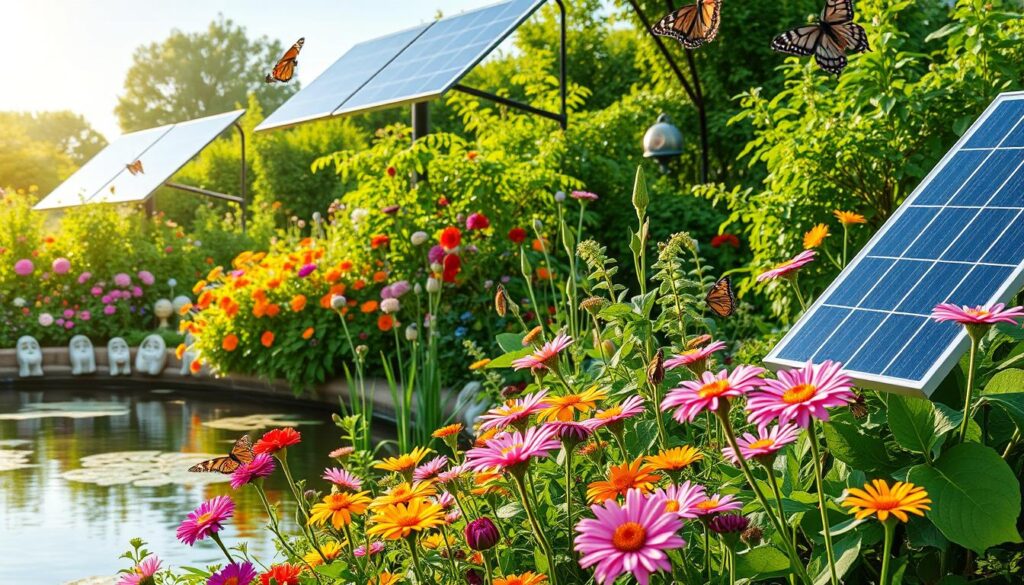
As the sun dips below the horizon, your carefully tended garden begins to fade into shadow. The vibrant flower beds, the elegant patio furniture, the lush greenery—all of it disappears into the evening darkness. For garden enthusiasts who love hosting friends and family outdoors, this daily transition presents a frustrating challenge. Traditional lighting options often fall short, requiring complex wiring, driving up electricity bills, or clashing with the natural beauty you’ve worked so hard to cultivate. Enter the solar LED patio umbrella—a brilliant fusion of eco-friendly technology and enchanting illumination that transforms your outdoor space the moment twilight arrives. These innovative fixtures harness the sun’s energy throughout the day and release it as warm, inviting light when you need it most. In this guide, we’ll explore why solar-powered LED umbrella lights have captured the hearts of garden lovers everywhere, what features matter most when choosing one, and how to install and maintain your setup for years of magical evenings under the stars.
Table of Contents
The Rise of Solar-Powered Outdoor Lighting
For decades, illuminating outdoor spaces meant stringing extension cords across patios, burying conduit in garden beds, or relying on flickering citronella candles that offered more smoke than light. Wired fixtures demanded professional installation, and even low-voltage landscape systems required transformers and careful planning. The shift toward solar-powered outdoor lighting began gradually in the early 2000s with simple pathway stakes, but the technology has matured dramatically. Today’s solar cells convert sunlight with remarkable efficiency, and modern LED chips deliver warm, powerful illumination while sipping minimal energy. This convergence has fueled a growing demand for eco-friendly lighting solutions among homeowners who want beautiful evenings without the environmental guilt or rising utility costs. Sustainability-minded consumers now expect their outdoor décor to work in harmony with nature rather than against it. The solar LED patio umbrella represents perhaps the most elegant innovation in this space—combining shade, structure, and light into a single, self-sustaining fixture. By embedding compact solar panels directly into the umbrella’s canopy or pole and pairing them with energy-efficient LEDs along the ribs or interior, these solar-powered umbrellas eliminate the need for outlets entirely. They charge passively during the day and activate automatically at dusk, creating seamless transitions from sunny afternoons to glowing evenings.
Understanding Solar LED Patio Umbrellas
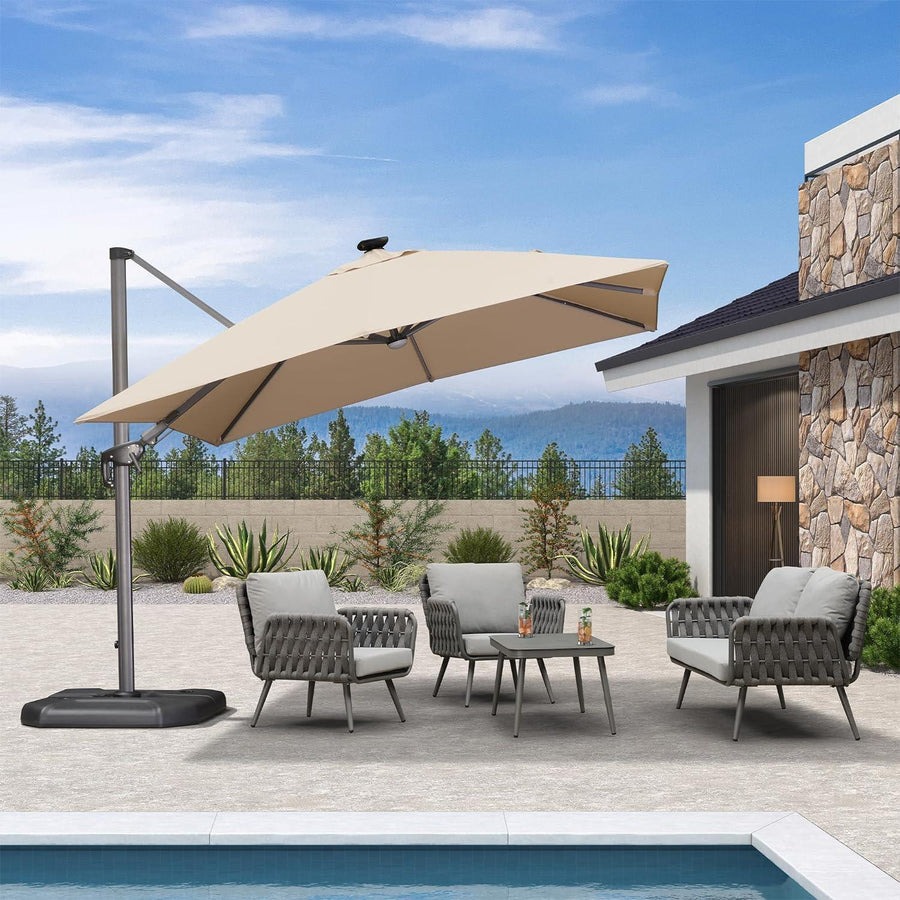
A solar LED patio umbrella is essentially a traditional outdoor umbrella enhanced with an integrated energy system. Three core components make it work: a photovoltaic solar panel—typically mounted on the umbrella’s top cap where it receives unobstructed sunlight—a rechargeable battery housed within the pole or hub, and a series of LED lights arranged along the umbrella ribs or clustered at the center. During daylight hours, the solar panel absorbs photons and converts them into electrical current, which flows into the battery for storage. Once ambient light drops below a certain threshold, a built-in sensor triggers the LEDs to illuminate, drawing stored energy from the battery. This closed-loop system means zero electricity drawn from your home’s grid, translating to meaningful savings over a season of regular use. Beyond the financial benefit, the environmental impact is significant—each evening powered by the sun is an evening free of fossil-fuel-generated electricity. For garden enthusiasts, this self-contained design also means no unsightly cords snaking through flower beds and no limitations on where you place your umbrella, since it needs nothing but sunlight to function.
Why Garden Enthusiasts Love Solar LED Patio Umbrellas
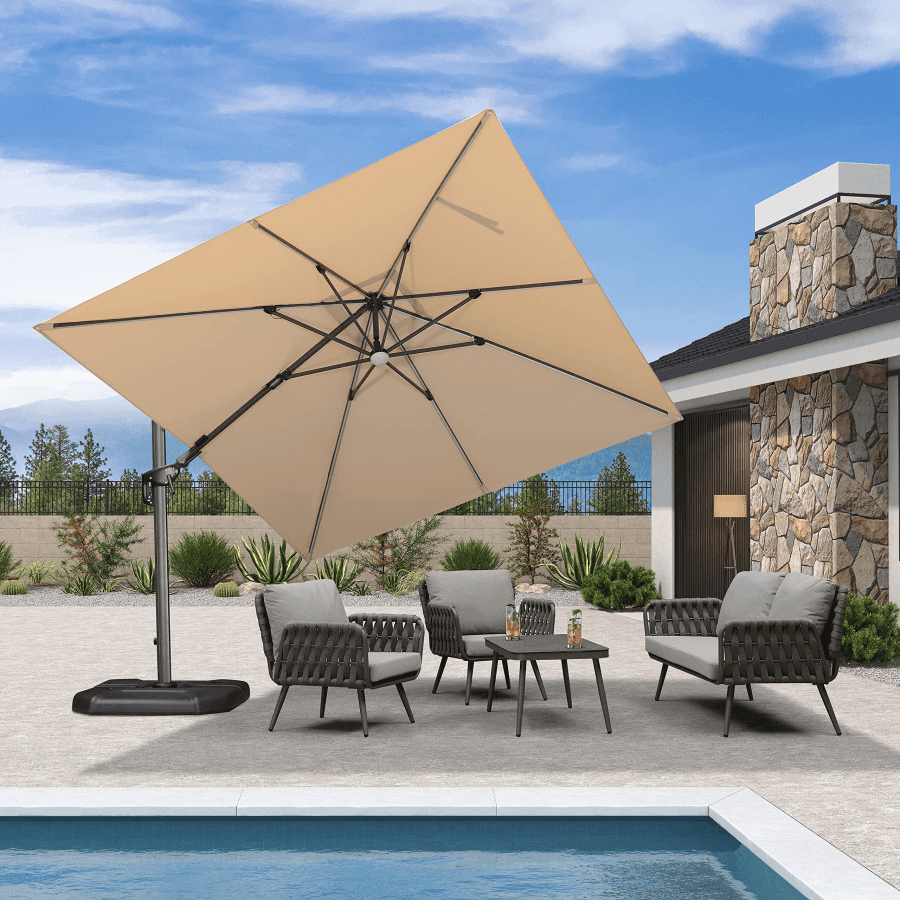
Garden enthusiasts invest countless hours cultivating spaces that delight the senses—fragrant roses climbing a trellis, ornamental grasses swaying in the breeze, carefully arranged seating areas that invite conversation. When evening arrives, these dedicated gardeners refuse to surrender their outdoor sanctuaries to darkness. Solar LED patio umbrellas speak directly to this passion because they deliver soft, adjustable lighting that enhances rather than overwhelms the natural beauty already present. Unlike harsh floodlights or sterile string lights draped haphazardly across a pergola, the gentle glow emanating from an umbrella’s ribs casts a warm canopy of light that feels intentional and organic. The effect is genuinely magical—guests often describe the atmosphere as dining inside a lantern, surrounded by the garden’s textures and colors now bathed in amber warmth. As a patio lighting solution, these umbrellas also prove remarkably practical for those who entertain frequently. They eliminate the pre-party scramble of testing bulbs, untangling cords, or positioning portable lanterns. The light simply appears when needed, powered entirely by eco-friendly lighting technology that aligns with the values of anyone who nurtures living things. For garden enthusiasts who view their outdoor space as an extension of home, solar LED umbrellas bridge the gap between functional illumination and atmospheric artistry without compromising on either front.

Enhancing Garden Aesthetics with LED Lights
The best solar LED umbrellas offer a range of color temperatures, from cool white that mimics moonlight to warm amber tones reminiscent of candlelight. Many models include dimmable settings, allowing you to dial the intensity up for reading or food preparation and down for intimate after-dinner conversations. Some designs position LEDs along each rib, creating a starburst pattern overhead, while others cluster lights at the central hub for a concentrated pool of downward illumination. This variety means you can match the lighting style to your garden’s personality. A cottage garden with rambling perennials might benefit from warm, diffused light that softens edges and creates gentle shadows among the foliage. A modern minimalist patio with sculptural planters could pair beautifully with cooler, more focused beams that highlight architectural elements. Strategic umbrella placement near specimen plants or water features allows the light to do double duty—illuminating your dining area while simultaneously showcasing a Japanese maple’s delicate branching structure or the shimmer of a small fountain nearby.
Illumination for Evening Gatherings
When you host a summer dinner party that stretches past sunset or a weekend brunch that lingers into the golden hour, reliable lighting becomes essential rather than decorative. Modern solar LED patio umbrellas deliver extended battery life that comfortably covers six to ten hours of continuous use on a full charge, meaning your lights won’t fade before your last guest leaves. Weather resistance adds another layer of confidence—most quality models feature waterproof LED housings and corrosion-resistant wiring, so an unexpected drizzle won’t send everyone scrambling indoors. The automatic dusk sensor removes yet another task from your hosting checklist; there’s no switch to remember, no timer to program. For garden enthusiasts who want their entertaining spaces to feel effortless and inviting, this combination of dependable performance and zero maintenance during use creates exactly the hassle-free environment they crave. You focus on the conversation, the food, and the company while the umbrella quietly handles the atmosphere above.
Key Features to Look for in Solar-Powered Umbrellas
Choosing the right solar LED patio umbrella requires looking beyond aesthetics to evaluate the technology and construction that will determine your long-term satisfaction. Not all solar-powered umbrellas perform equally, and understanding the key differentiators helps you invest wisely in a fixture that will deliver reliable enchantment season after season. Start by examining the solar panel itself—monocrystalline panels offer higher efficiency than polycrystalline alternatives, converting more sunlight into usable energy even on partially cloudy days. Battery capacity matters enormously; lithium-ion batteries outperform older nickel-metal hydride cells in both lifespan and charge retention, holding power more consistently through hundreds of charge cycles. For LED performance, look beyond raw brightness to consider color rendering index and available modes—dimmable LEDs with multiple color temperature settings give you far more creative control over your garden’s evening atmosphere. Automatic on/off sensors with adjustable sensitivity thresholds ensure your lights activate precisely when needed without manual intervention. Finally, consider the umbrella’s structural integrity as a complete system, because even the best lighting technology fails if mounted on a flimsy frame that can’t withstand wind or rain.
Assessing Solar Efficiency and Battery Life
The relationship between your umbrella’s solar panel size, its placement, and the resulting battery runtime determines whether your lights last through a leisurely four-hour dinner or fade disappointingly after two. Evaluate charging time specifications carefully—a quality unit should reach full charge within six to eight hours of direct sunlight. Position your umbrella where it receives unobstructed sun exposure for the majority of the day, avoiding spots shaded by trees or structures during peak solar hours between 10 a.m. and 3 p.m. If your patio receives partial shade, prioritize models with higher-efficiency panels that compensate for reduced input. Battery capacity measured in milliamp-hours tells you the theoretical runtime; look for units offering at least 1800mAh for dependable all-evening performance. During shorter winter days or extended cloudy stretches, you can maximize stored energy by switching to lower brightness settings or turning lights off during periods when you’re not actively using the space, preserving battery reserves for when they matter most.
Design and Durability Considerations
The umbrella’s frame material directly impacts both longevity and aesthetic integration with your garden setting. Powder-coated aluminum frames resist rust while remaining lightweight enough for easy repositioning, making them ideal for most garden environments. Brands like PURPLE LEAF have demonstrated how robust aluminum construction can be paired with integrated solar LED systems to create umbrellas that withstand seasons of outdoor use while maintaining their visual appeal. Hardwood frames—teak or eucalyptus—offer a warmer, more organic appearance that complements cottage-style or naturalistic gardens, though they require periodic sealing to maintain weather resistance. For the canopy fabric, solution-dyed polyester or olefin resists UV fading and repels water without sacrificing the soft drape that makes an umbrella visually appealing. LED placement along the ribs provides the most even light distribution across your seating area, while hub-mounted configurations create a more dramatic central glow suitable for highlighting a table centerpiece. Examine how the wiring integrates with the frame—internal routing protects connections from moisture and physical damage far better than externally clipped cables. Reinforced rib joints and a sturdy center pole with a reliable tilt mechanism ensure your umbrella withstands gusty evenings without compromising the delicate LED circuitry housed within its structure.
Practical Steps for Installation and Maintenance
Owning a solar LED patio umbrella is only half the equation—proper installation and ongoing care determine whether your investment delivers years of enchanting evenings or disappoints after a single season. The good news is that these self-contained systems require far less effort than wired alternatives, but a few deliberate choices during setup and a simple maintenance routine will dramatically extend both performance and lifespan. Garden enthusiasts who already nurture plants through seasonal cycles will find this care rhythm familiar and manageable.
Step-by-Step Installation Guide
Begin by surveying your garden or patio to identify a location that serves dual purposes: comfortable proximity to your seating area and maximum solar exposure during peak daylight hours. Avoid positioning the umbrella beneath overhanging branches or eaves that cast shadows across the top-mounted solar panel. Once you’ve chosen your spot, secure a weighted base or in-ground sleeve appropriate for your umbrella’s pole diameter—stability matters more than most people realize, since even moderate wind can topple an unsecured unit and damage the integrated wiring. Assemble the frame according to the manufacturer’s sequence, taking care not to pinch or stress any visible wiring as you extend the ribs. Attach or confirm the solar panel’s connection at the top cap, ensuring it sits flush and faces upward without obstruction. Before your first evening use, allow a full day of uninterrupted charging in direct sunlight to bring the battery to capacity. Once dusk arrives, confirm that the automatic sensor activates the LEDs; if your model includes a manual switch, verify it’s toggled to the “auto” position. Test any brightness or color settings during this initial evening to familiarize yourself with the controls while you can still see them clearly.
Maintenance Tips for Longevity
Every two to three weeks during active use, wipe the solar panel’s surface with a soft damp cloth to remove dust, pollen, and bird droppings that reduce charging efficiency—garden environments generate more debris than most people expect. Inspect the LED housings and rib connections periodically for moisture intrusion or corrosion, particularly after heavy storms. Most rechargeable batteries maintain optimal performance for two to three years before capacity noticeably declines; when you observe significantly shorter runtimes despite full sunny days, replacing the battery restores original performance without requiring a new umbrella. As autumn approaches and outdoor entertaining winds down, close the canopy, disconnect or switch off the power system, and store the umbrella in a dry location like a garage or shed. If indoor storage isn’t feasible, use a breathable weatherproof cover that prevents moisture buildup while shielding the fabric and electronics from winter’s harshest conditions. This seasonal discipline prevents premature degradation and ensures your solar LED umbrella emerges each spring ready to enchant once again.
Transform Your Garden Into an Enchanting Evening Retreat
A solar LED patio umbrella does more than light your garden—it transforms an ordinary outdoor space into an enchanting retreat where evenings feel as alive and inviting as sunlit afternoons. By harnessing free, renewable solar energy and converting it into warm, atmospheric illumination, these ingenious fixtures address the two challenges garden enthusiasts care about most: preserving the aesthetic beauty they’ve cultivated and ensuring reliable light for every gathering that stretches past sunset. The eco-friendly lighting technology embedded in these umbrellas means you enjoy guilt-free evenings without contributing to rising energy costs or carbon emissions, a benefit that resonates deeply with anyone who spends their days nurturing the natural world. Whether you’re hosting a lively dinner party or simply savoring a quiet glass of wine beneath the stars, the right solar-powered umbrella becomes the centerpiece of your outdoor experience. Choose a model that matches your garden’s character, position it for optimal sun exposure, and maintain it with the same seasonal care you give your plants. In return, you’ll be rewarded with countless magical nights where light, nature, and connection come together effortlessly under one glowing canopy.

