
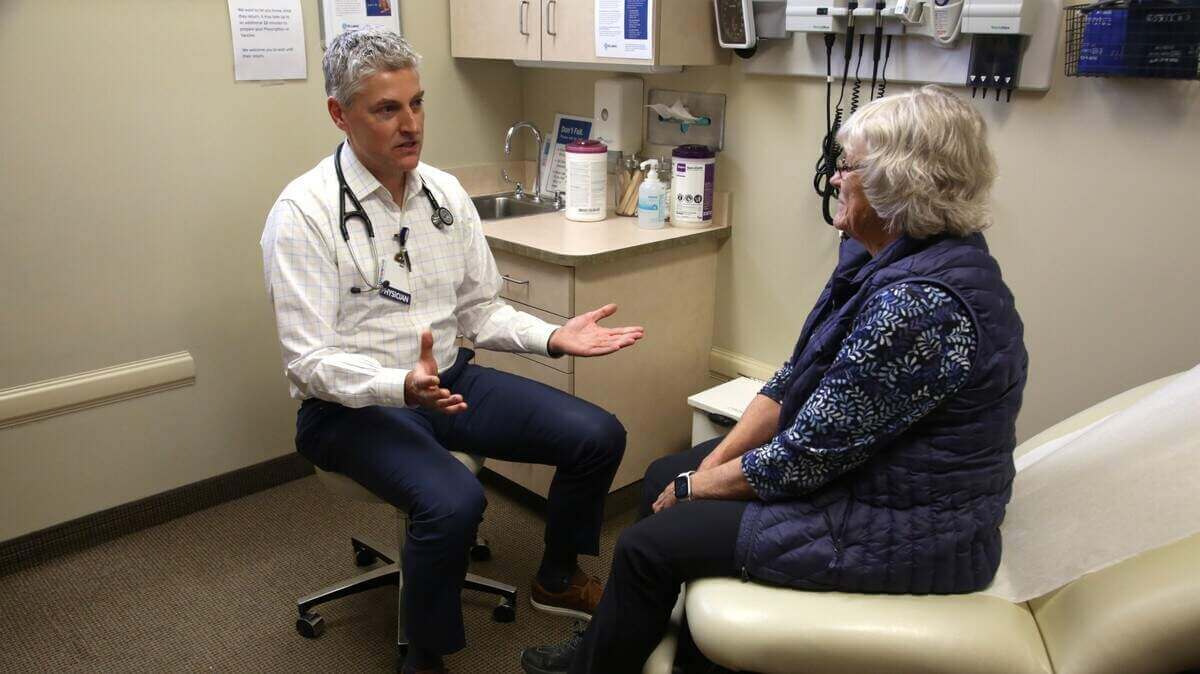
Healthcare used to come with a routine. Drive to the clinic. Sit in a waiting room. Rearrange the day around an appointment that might last thirty minutes but somehow takes half the afternoon.
That model still works for plenty of situations. But something is shifting in Boise.
More people are looking for healthcare that fits into daily life instead of forcing daily life to stop for healthcare.
That’s part of the reason conversations around At-home wellness care Boise Idaho continue to grow.
Table of Contents
Convenience is no longer considered a bonus
People expect convenience almost everywhere now. Groceries arrive at the doorstep. Banking happens from a phone. Work meetings happen from kitchen tables and home offices.
Healthcare hasn’t escaped those expectations.
For parents managing packed calendars, professionals juggling deadlines, or adults trying to stay proactive about health without losing an entire workday, accessibility matters. Not flashy convenience. Practical convenience.
That change says a lot about changing patient expectations in healthcare.
Patients still want trusted providers and quality care. But many also want flexible scheduling, shorter disruptions, and options that feel more realistic for modern life.
Wellness is becoming more preventative, less reactive
Healthcare conversations often start after something goes wrong.
But more people are paying attention before that point.
Sleep quality. Hydration. Stress levels. Recovery. Energy management. Small things, maybe. Until they aren’t.
The interest in preventative wellness services reflects that mindset. Instead of waiting for burnout, dehydration, or prolonged fatigue to become bigger problems, many people are looking for ways to support health earlier and more consistently.
In Boise’s active community, that makes sense.
Long workweeks, outdoor recreation, business travel, family schedules all of it can quietly wear people down. Wellness support is becoming less about luxury and more about maintenance.
A little closer to changing the oil before the engine starts making noise.
Care that meets people where they already are
The healthcare system is experimenting with different delivery models, and patients are noticing.
Virtual visits became more common. Remote monitoring gained traction. Mobile care options expanded.
Now, at-home wellness services are becoming part of that broader conversation.
Some people prefer care delivered in familiar surroundings. Others simply value saving the commute and avoiding another waiting room.
Services such as hydration therapy have found a place inside this movement because they align with what many patients are already asking for: flexibility, accessibility, and less friction.
In Boise, providers including Revive Wellness and Recovery reflect this changing landscape, showing how mobile wellness support can fit into everyday schedules rather than compete against them.
Healthcare access looks different depending on who needs it
Not everyone experiences healthcare access in the same way.
For some people, access means finding specialist care. For others, it means transportation challenges, time limitations, caregiving responsibilities, or demanding work hours.
That’s why conversations around healthcare innovation often go beyond technology alone.
Sometimes innovation looks surprisingly simple.
Flexible care delivery. Home-based services. Scheduling that recognizes people have jobs, families, travel plans, and complicated lives.
Those changes may seem small individually. Together, they influence how healthcare becomes easier or harder to use.
The future feels a little more personal
Healthcare doesn’t need to become entirely digital, mobile, or home-based to evolve.
Traditional clinics, hospitals, and specialists remain essential. That isn’t changing.
But modern healthcare expectations are definitely moving toward greater flexibility.
People want choices.
Some appointments still belong in clinical settings. Others might work perfectly well from home. The important part is having care models that reflect how people actually live.
Boise’s wellness landscape appears to be moving in that direction already.
Not through dramatic headlines or overnight transformation. More through everyday decisions made by people trying to balance health, work, recovery, and everything else competing for attention.
And honestly, that shift feels less like a passing trend and more like healthcare slowly adapting to reality.

